
PIPS 4 Profit program: Informing more profitable and sustainable apple and pear orchards
May 1, 2024The latest iteration of the program aims to respond to industry efforts to address current operating challenges and…
A collaborative approach to Varroa mite management
February 14, 2024APAL has welcomed the decision of the Varroa mite National Management Group to approve the National Transition to…
Insights and innovations from the APAL Future Orchards International Tour to New Zealand
January 24, 2024From 15–19 January 2024, 40 Australian growers and industry professionals visited two of New Zealand’s major growing regions…

Making the decision to invest in netting
November 29, 2023Orchard management adjustments are one of the many considerations when planning to net your orchard according to Pomona…
Honey bee genetic program extended
November 22, 2023The Australian apple industry is among the beneficiaries of the extension of the Plan Bee program, which…
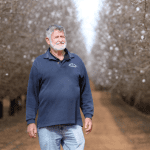
Beekeeper’s insights into pollination outlook
November 1, 2023Note: This article was written in July 2023 prior to the detection of new Varroa mite cases at…

Varroa mite response transitions to management
September 20, 2023This update originally appeared in the News section on the Department of Agriculture, Fisheries and Forestry website, see here….

Improving bee performance
August 30, 2023Gordon Brown reviews a method of ‘training’ bees to selectively harvest nectar and pollen from apple and pear…
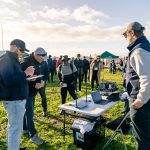
Collaborative discussions and practical insights over day two and three of the 2023 APAL Technical Symposium
August 23, 2023The 2023 APAL Technical Symposium, the annual R&D event for Australia’s apple and pear growers headed out into…

How genetics could bolster honey bee defences
A new study is looking into the possibility of breeding honey bees to be disease resistant and more…
