Trellis talk: decisions when planning your next block
If you’re designing a new block on your orchard, there are many factors to consider when choosing the trellis, including the trellis material, fruit load, irrigation, integrated netting and suitability for technology.
The shift to high-density apple canopies, driven by higher production volumes and revenue, has come with higher requirements to support the crop. There are key fundamentals to building solid trellis systems to cope with today’s tonnage. Modern trellis engineering and material technologies present many options for growers to keep their trees supported.
A 2017 industry survey in Washington State led by agricultural engineer Mark De Kleine found that 70 per cent of failures were on trellis less than seven years old, suggesting design rather than material fatigue was the cause.
Choosing the right trellis for your planting and executing the installation will set you up for the lifespan of the block.
Ground forces – supporting the load with good foundations
The trellis in your orchard balances the load via posts embedded into the ground. The major above-ground forces acting on the trellis are fruit, wind, drape net, if installed, and the tree canopy itself. A trellis is the sum of its parts. Each part relies on the other parts to balance above-ground forces with below-ground ones.
Each part of the trellis has a point where additional forces beyond the maximum capacity of the individual component will cause failure. Since your trellis is a system, individual component failure increases the load on the remaining parts. This can cause more failure or material damage resulting in a weakened part with a lower maximum load capacity. For example, a snapped post increases the span between the neighbouring posts. The wires stress and sag and the less supported trees lean and fruit weight now exerts more force on the system.
A well-designed and installed trellis system limits stress on components so they don’t approach failure point during high-force events.
To achieve a fixed base, the posts need to be driven or dug deep enough into the ground to achieve sufficient lateral strength to hold the crop in challenging conditions – typically wet soil and strong winds. There are engineering formulas based on soil type, post material and thickness. Embedment depth will likely be between 30 and 40 per cent of the above-ground height of the post. Angled posts need to be even deeper.
The Washington State survey found that over half of trellis failures were from posts snapping or upending during windstorms near harvest, suggesting an established, fixed base, with quality posts buried deep, is key to stability. A driven post is more stable than an augured post, but with compacting during installation an augured post will be secure. Like post depth, there are engineering calculations to determine span between posts. This is determined by the post material and thickness.
There is limited product choice with anchors. Screw anchors are the most common type and are available in lengths from 1.5–2.1m, and plate diameters of 200–350mm. The larger sizes are more commonly used for overhead hail netting structures. Anchors are vulnerable to damage from equipment turning at the end of the row. The anchor lends support to the end post and, left unanchored, the post will be less stable and more susceptible to lateral movement. Providing a good anchor and maintaining its integrity is required for the stability of the row.
There is no better or easier time to prepare the site and address drainage issues in a block than before you start anything else. In fact, it’s the only easy time. Poor drainage has flow-on effects to tree health and trellis system performance and longevity. Wood is a biological material and its strength as a product decreases with high moisture content. In addition to post strength, the lateral strength provided by the soil itself decreases with high water content. Rocks and stones in the soil will counteract this; however, addressing the problem before planting is the way to go.
Load – fruit and wind
In a row where vertical posts have the correct span, fruit loading is not a significant factor. This is because the post is supporting the force of the fruit load on the same plane – vertically. This is not the case with V trellis, and fruit loads should be included in calculations for angled canopies. This is also not the case for leaning posts.
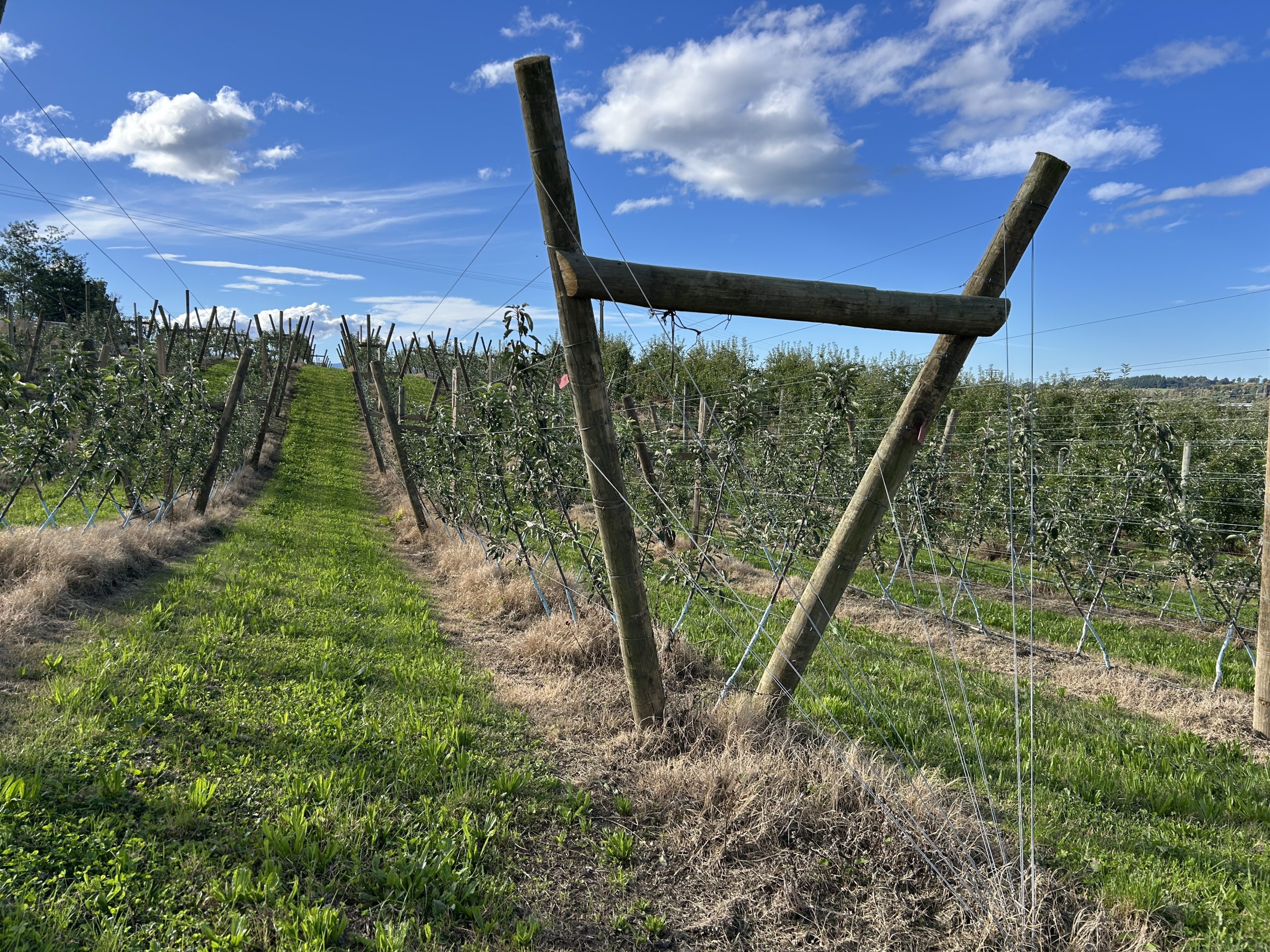
Figure 1: Wooden V trellis with intra-row cross braces.
V trellises can have additional bracing, either intra or inter row, for additional strength. Both have advantages and drawbacks. Intra-row bracing (Figure 1) transfers load into the other post but the structure is still limited by the strength of the embedment into the ground. Inter-row bracing (Figure 4) from one row to the next provides more lateral strength; however, the braces are not compatible with over-the-row technologies (for example, multi-row sprayers) and can be difficult for machinery that works the upper canopy, like mechanical pruners or string thinners.
Wind is a major force acting on trellis. It can blow perpendicular to the posts, therefore the trellis system relies on the strength of the tensioned wires attached to the posts. A dense canopy will create more drag and require stronger post materials or shorter spans. Strong wind in conjunction with waterlogged soil is considered a risky scenario for trellis failure due to the cross forces of the wind when soil lateral strength is low.
A final consideration when installing is this: a trellis is designed to support the load of a specific tree height and spread of fruit. If you are tempted to hang a bit more fruit up top, you could be compromising the structure if it was not designed for the additional load.
What material to use?
The three main options for posts are wood, metal and concrete. Wood remains the most popular due to local availability and overall upfront cost. It typically requires more posts per row, but still comes in cheaper due to lower material cost and the ability to use low-cost generic fasteners.
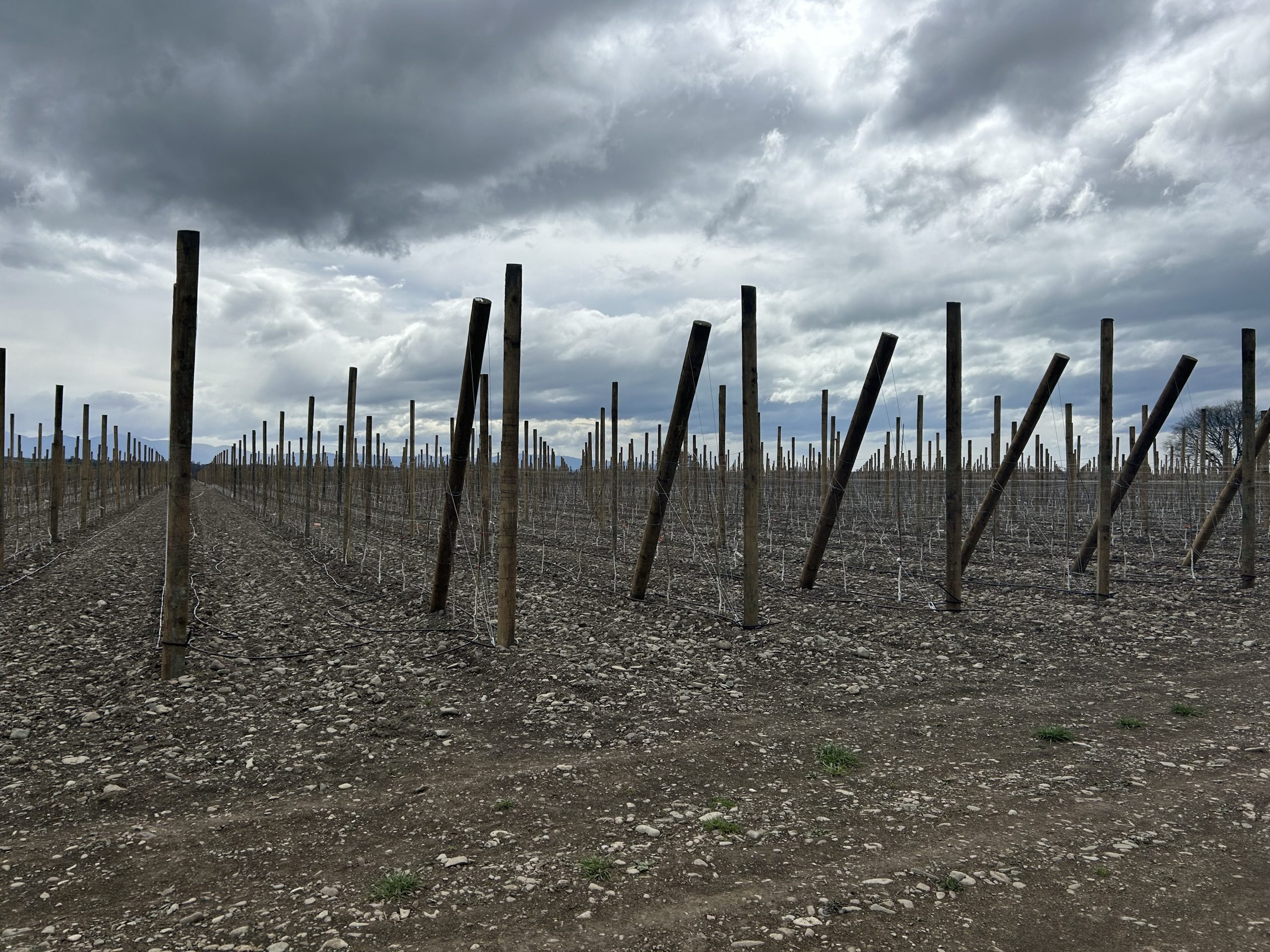
Figure 2: Wooden trellis posts – note short spans due to lower bending stress values of wooden ¼ rounds.
Steel and concrete posts will last for the lifetime of the orchard – or longer. They also are stronger members, allowing for wider spans and a lower overall number of posts. Steel is most commonly, but not exclusively, used for V trellis. V trellis has higher fruit loads and requires more lateral support, making steel a popular choice.
All three post materials are suitable for any trellis. Since the size and composition of the post is intrinsic to its allowable stress value, and therefore design, the choice should be made early in the process. Steel and concrete posts are a commitment to specialist fastening fixtures, so make sure you order sufficient quantities for installation and general future maintenance.
What to do when grafting?
If you are grafting it is an excellent opportunity to assess the existing wooden trellis structure. Unless the posts are still new because you’ve done a quick pivot from a misfiring young block, then they probably won’t last the lifespan of the new grafted trees. It can be a costly missed opportunity if you leave old wood posts in the ground as it will never be easier to replace than at this stage. Target doing the job in winter after the old canopy has been reduced but before the grafting has been done. Young graft unions are delicate and difficult to work around.
Figure 3 is an example of a grafted block with 4m row spacing that was converted from a medium-density spindle system to a twin-stem steep V to maximise linear fruiting wood. This canopy system will carry in excess of 110T/ha; the new trellis structure is designed for these weight loads. The alternative – to modify the existing trellis with horizontal bars on each post to form a V – is significantly less capital upfront; however, the canopy has significantly more apples hanging. The grower made the right call.
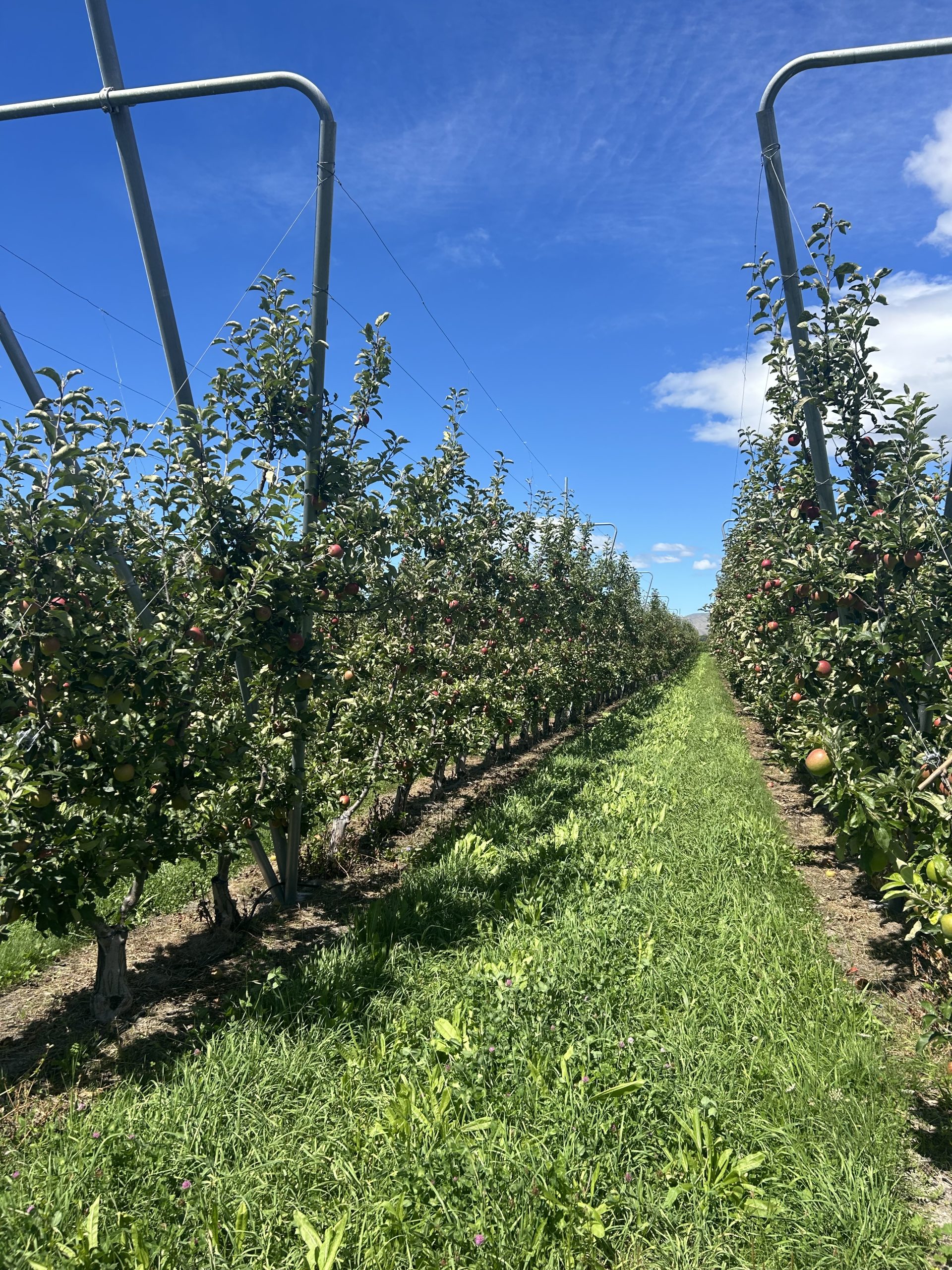
Figure 3: New trellis installed in a grafted block.
Integrating overhead netting
When designing a new block, it’s important to factor in hail netting, so it’s not an afterthought in year 3 or 4 when there is a commercial crop worth protecting. Now is the opportunity to integrate the hail net structure into the trellis system. Because integrated systems stand together and fall together, commercial hail nets are designed with fail points once hail load reaches a threshold so it is the net that breaks away, not the trellis and trees.
If planning on using drape net for hail protection then the load capacity needs to increase. The extra drag created when the net is deployed results in more load on the trellis. For this reason, retrofitted hail structures should be independent of the canopy trellis. The extra load can be too great for the original trellis structure and high winds or the load of hail can cause total failure and tree losses.
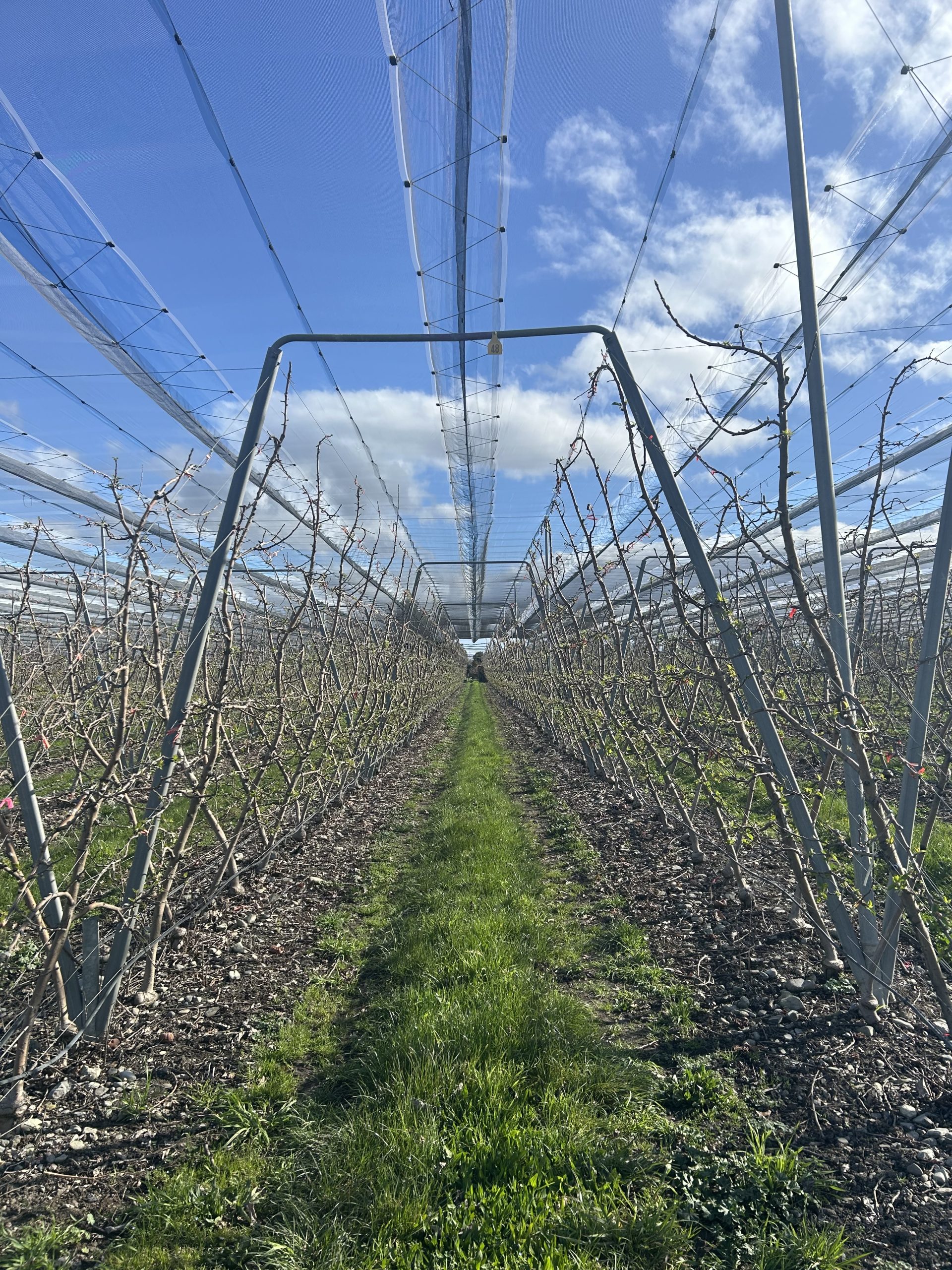
Figure 4: Fully Integrated V trellis with hail net pole connected to anchoring system. Note the inter-row bracing for additional load support.
Choosing the right trellis and canopy for technology goals
When planning for a new block it’s worth considering current and future technology you might want to use. A V trellis with inter-row bracing is unable to use ground-based over-the-row technology. A vertical 2D trellis is considered the most tech-ready canopy. The simple way the fruit is presented makes it visible for digital fruit image recognition and provides mechanical access for robotic harvesters. This canopy also is light ready and, importantly, human ready, presenting real management benefits in the present day. Make sure there is enough room in the design for equipment to access the rows and turn around at the end of each row.
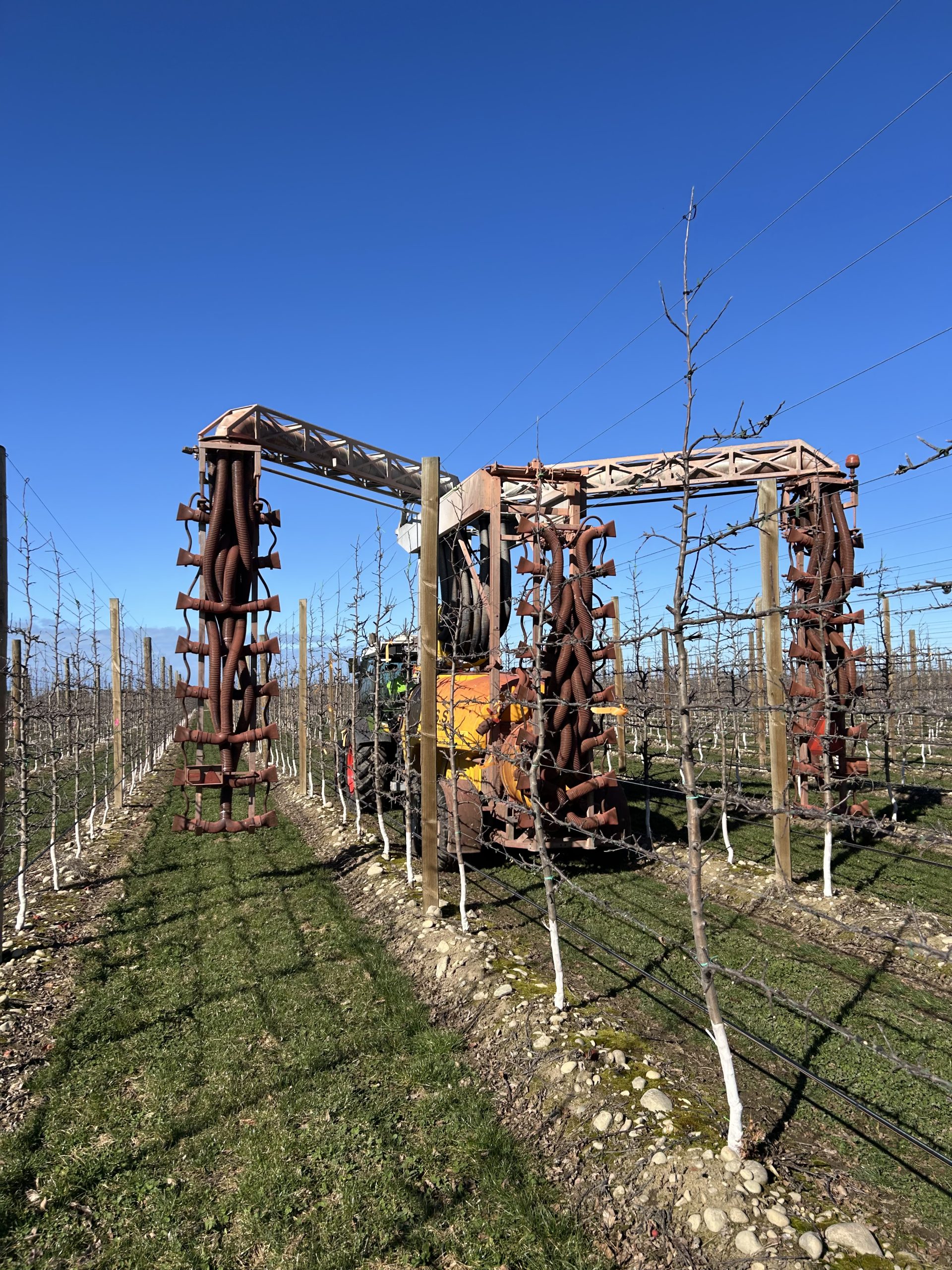
Figure 4: Fully Integrated V trellis with hail net pole connected to anchoring system. Note the inter-row bracing for additional load support.
Conclusions
It is worth having a template trellis system engineered for your soil type, terrain, canopy and local weather factors. Hail net should be part of the design as well. This will take the guesswork out of post depth and spacing and provide you with a plan for building trellis for all your future blocks. Once you have a design the next step is to install the trellis well. Timing is important as the rush to plant trees can have a flow-on effect to rush installation too.
Finally, have a maintenance schedule to check that anchors are secure and wires are appropriately tensioned and attached to poles. Any leaning poles are easier to straighten or replace before fruit has started sizing, but, if needed, temporary supports can be used until a permanent remedy is made. A good trellis supports the crop for the life of the orchard, from design onwards.
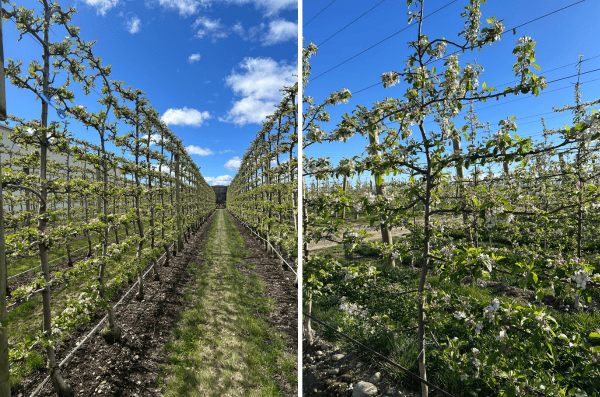
Figure 6: 8-wire trellis (2.5m rows on left) compared to a 10-wire trellis (2.7 m rows on right).
Linear fruit wood – how many wires in a 2D block?
Formal 2D canopies are defined by the concept of kilometres of linear fruiting wood. Where the branches are tied tightly to the wires and fruit is only held in spurs and short darts off the branches and stems. The system has a set amount of real estate for fruit and is calculated by the row width and tree spacing, plus tree height and number of stems. The two main variables are row width and wire number. The block on the left has 40km/ha of fruiting wood with eight wires and 2.5m row spacing. On the right, 45km/ha with ten wires and 2.7m rows. The minimum distance between wires before light and physical space are too constrained is approximately 300mm. 2D blocks with wider rows and less wires do not have enough linear fruit wood to achieve high tonnage. The solution is a 2.5D but at the expense of even light distribution and crop loading with a simple number of fruit per window targets. Plan these details during block conception as you require balanced vigour to fill a 10-wire trellis completely to utilise the investment.
Further reading
“Orchard trellis design – a balance of forces”, https://apal.org.au/orchard-trellis-design-balance-forces/
Acknowledgement
Future Orchards® is the apple and pear industry’s highly regarded extension program. The Future Orchards – adoption and innovation in apples and pears (AP25004) project is delivered by APAL and is funded by Hort Innovation, using the apple and pear research and development levy and contributions from the Australian Government. Hort Innovation is the grower-owned, not-for-profit research and development corporation for Australian horticulture.

This article was first published in the Winter 2026 edition of AFG.