

Why you will see footbaths at the upcoming Future Orchards Harvest Orchard Walks
February 1, 2023If you attended the Future Orchards® Spring Orchard Walks in November 2022, you will have noticed that APAL…

Response Plan endorsed to eradicate polyphagous shot-hole borer
November 28, 2022The Emergency Plant Pest (EPP) polyphagous shot-hole borer (Euwallacea fornicatus; PSHB) was reported in Western Australia in August…

IPDM in focus: Helicoverpa and loopers
November 16, 2022This article was first published in the Spring 2022 edition of AFG. It was prepared by Emily Crawford, Agriculture Victoria, using…
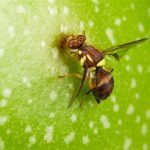
Prepare early for Qfly management
November 15, 2022Higher-than-average rainfall and humidity around the country are providing ideal conditions for Queensland fruit fly (Qfly) populations to…
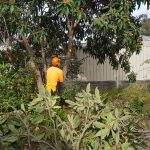
States ramping up fruit fly prevention campaigns ahead of summer
October 26, 2022Around Australia, state governments and local councils are conducting public awareness campaigns about the risks that fruit fly…
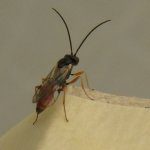
Advances in the biological control of codling moth in Australia
October 3, 2022A newly imported Mastrus ridens colony may hold the key to future successful establishment of this parasitic wasp,…

Meet the new Chair of the APAL Board of Directors, Reg Weine
September 19, 2022Reg Weine joined the APAL Board as a non-executive director in March 2020, bringing decades of experience in…

New Zealand apple and pear growers adapting to new horizons
September 7, 2022“Adapting to New Horizons” – exploring how growers and exporters can modify and adapt in order to remain…
IPDM in focus: woolly apple aphid management
August 24, 2022This article was first published in the Winter 2022 edition of AFG. It was prepared by Emily Crawford,…
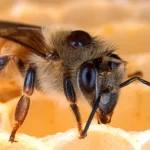
Planning your pollination for 2022 – what you need to know about Varroa mite
August 16, 2022The detection of Varroa mite in New South Wales in June 2022 may affect hive availability and pollination…
