

APAL attends Hort Connections 2024
June 5, 2024The largest horticulture conference and trade show in Australasia opened its doors in Melbourne this week. Hort Connections…
IPDM in focus: Understanding the non-targeted effects of pesticides
May 29, 2024Increasing implementation of integrated pest and disease management has created greater awareness and understanding of the non-target effects…
PIPS 4 Profit program: Informing more profitable and sustainable apple and pear orchards
May 1, 2024The latest iteration of the program aims to respond to industry efforts to address current operating challenges and…

Consumer insights reveal opportunities for growth
April 23, 2024Despite cost-of-living pressures, Australian consumers still perceive apples and pears as being worth their price, but there are…

New Directors appointed to APAL Board
January 31, 2024APAL bid farewell to two longstanding members of the APAL Board and welcomed new faces as Board Directors. …
Building on cultural and biological management of apple and pear pests and diseases
As the fourth phase of the Productivity, Irrigation, Pests and Soils program commences, we look at how the…

New test to bolster defences against catastrophic ‘hitchhiker’
November 14, 2023Researchers have developed a diagnostic tool to add to surveillance powers and help prevent an incursion of brown…

Climate change impacts on apple productivity and quality
Gordon Brown reviews research investigating the impact of elevated CO2 and temperature on apple production. Climate change is here…
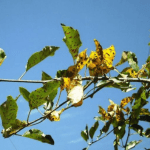
Understanding Alternaria leaf blotch and fruit spot
September 13, 2023During the 2023 APAL Technical Symposium last month, Associate Professor Femi Akinsanmi presented his research on Alternaria leaf…

How genetics could bolster honey bee defences
August 23, 2023A new study is looking into the possibility of breeding honey bees to be disease resistant and more…
