
Biological control options for key apple and pear pathogens
Researchers are investigating sustainable plant disease management options for the Australian apple and pear industry.
The PIPS 4 Profit Pest and disease management (AP22001) project is working to identify and evaluate biological control agents for managing key plant diseases impacting fruit quality and yield, including apple scab (caused by the fungus Venturia inaequalis), pear scab (caused by the fungus Venturia pirina) and Phytophthora root rot (Phytophthora sp.).
The sustainable management of plant diseases plays a critical role in the health of apple and pear crops, and the marketability of a quality fruit product. Biological control offers an environmentally friendly alternative to chemical pesticides, using natural organisms to suppress plant pathogens. Current research being led by plant pathologist Tonya Wiechel of Agriculture Victoria is seeking to understand the potential of biological control agents researched in vitro worldwide, by conducting in vitro testing against these isolates collected from Australian apple and pear orchards.
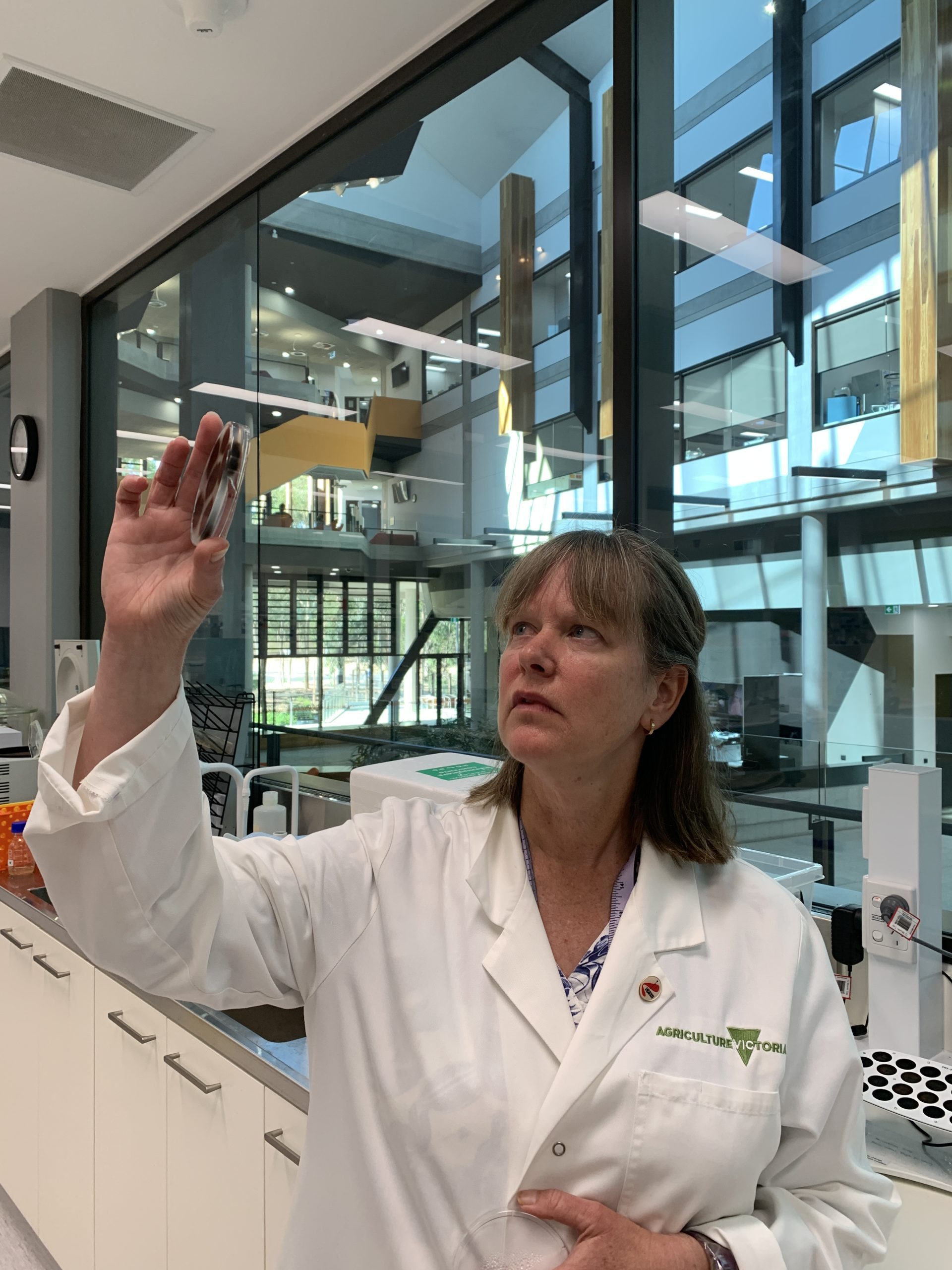
Figure 1: Agriculture Victoria’s Tonya Wiechel is leading the plant disease biological control agent research of the Pest and disease management project.
Identifying potential biological control agents
The first step in this research involves assessing prior global research on potential biological agents with a focus on in vitro studies that have shown promising results in suppressing plant pathogens. By leveraging these insights, the project can streamline the selection process and focus on the most viable candidates.
In vitro bioassays: laying the foundation
Initial laboratory experiments will be undertaken to test the efficacy of selected biological agents. These in vitro bioassays will be conducted using amended agar methodologies (Figure 2), allowing Agriculture Victoria researchers to observe the interaction between the biological agents and pathogen isolates collected during field surveys. These isolates, representing apple scab (Figure 3) from across Australia including Victoria, NSW, Tasmania, South Australia and Western Australia, will serve as the foundation for testing the inhibitory properties of the biological agents.
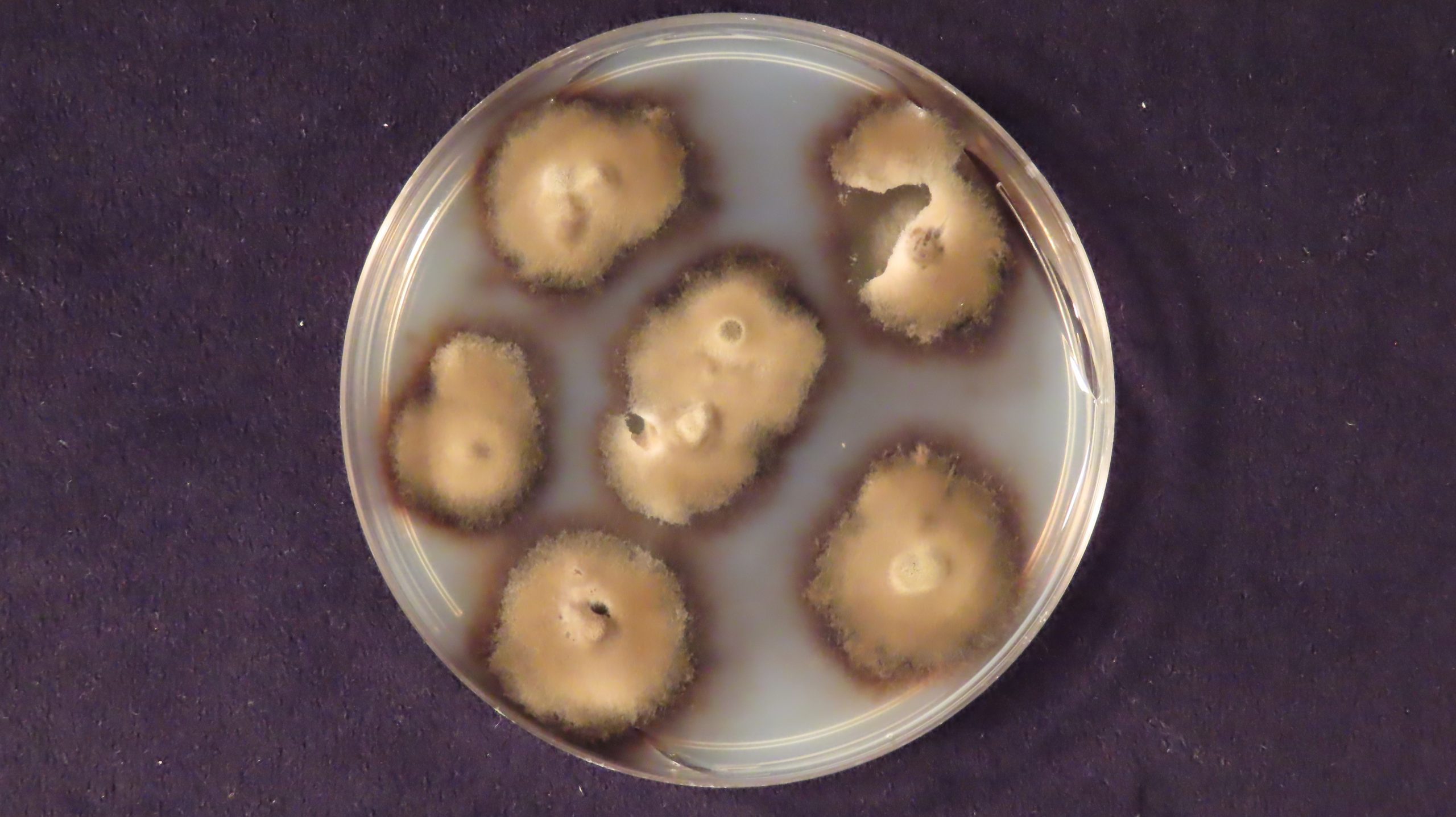
Figure 2: A culture plate of Venturia inaequalis, the slow-growing fungus that causes apple scab. Its dark, velvety colonies develop gradually, leading to blemishes on apple leaves and fruit.
Additionally, green fruit bioassays will be employed to provide a more realistic assessment of the biological agents’ potential. This approach will help determine their ability to protect plant tissues in conditions that mimic real-world scenarios. By the end of this phase, Agriculture Victoria researchers will have a clearer understanding of which biological agents demonstrate the most promise in controlling these pathogens.

Figure 3: An apple affected by apple scab – a common fungal disease that causes blemishes on the fruit’s surface.
Advancing to tree assays
Biological agents showing efficacy in in vitro tests will progress to more complex evaluations in potted tree assays to assess the agents’ effectiveness in a controlled environment that closely replicates field conditions. This phase will provide critical data on the agents’ ability to protect plants over time, their interactions with the host plants, and any potential side effects. These insights are vital for determining whether the biological agents are suitable for practical application.
Towards sustainable plant disease management
This project represents a significant step forward in the quest for increased sustainable plant disease management options for the Australian apple and pear industry. By focusing on biological control, it aligns with horticulture industry efforts across Australia to reduce chemical inputs and promote integrated management solutions. The collaboration between Agriculture Victoria and regional partners such as Pomewest, NSW DPIRD, Fruit Growers Victoria and the Tasmanian Institute of Agriculture underscores the importance of industry partnerships in driving innovation and delivering practical solutions to growers through the PIPS 4 Profit program.
As the project progresses, the potential to revolutionise the management of apple and pear scab and Phytophthora species grows closer to reality. With continued research and support, biological control agents may soon become indispensable tools in the fight against plant diseases, more sustainably.
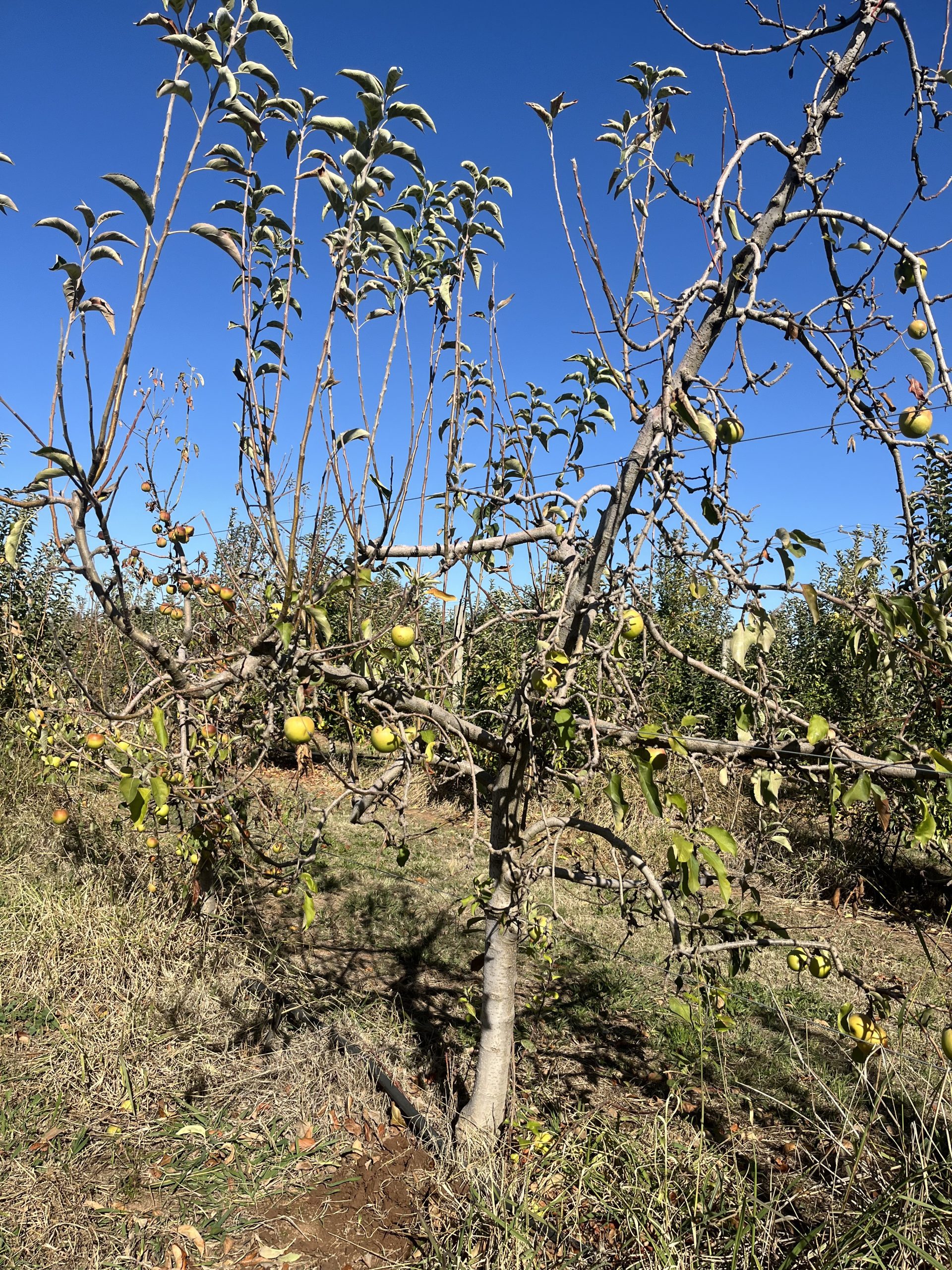
Figure 4: Symptoms of Phytophthora root rot – weakened branches and sparse fruiting are indicators of this destructive soilborne disease.
Acknowledgement
 The PIPS 4 Profit Integrated pest and disease management (AP22001) project has been funded by Hort Innovation, using the apple and pear research and development levy, contributions from the Australian Government and co-investment from Agriculture Victoria. It is supported regionally by the Tasmanian Institute of Agriculture, Pomewest and NSW Department of Primary Industries and Regional Development. Hort Innovation is the grower-owned, not for profit research and development corporation for Australian horticulture.
This article was first published in the Winter 2025 edition of AFG.



