
Consumer research findings to inform marketing efforts
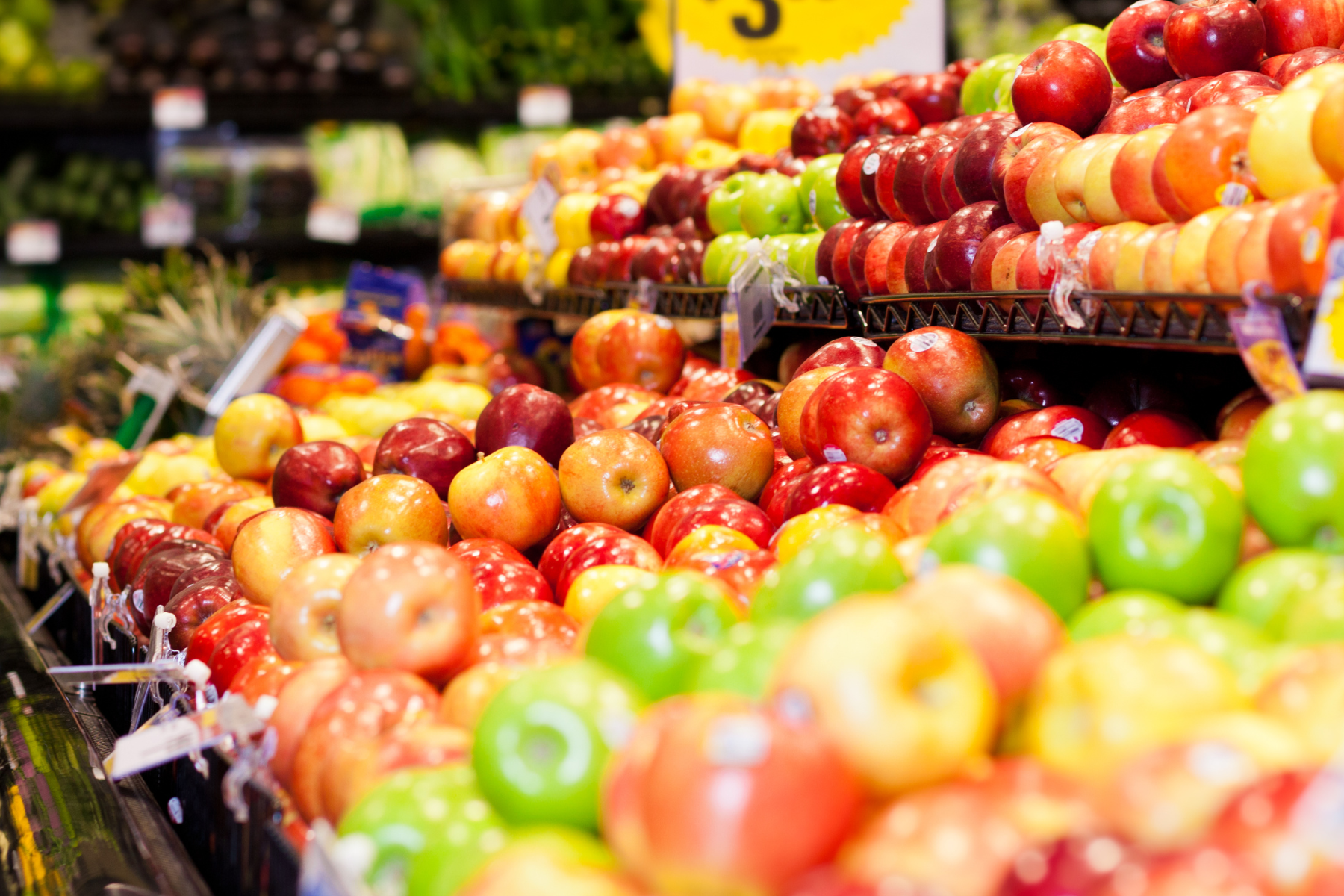
Future marketing efforts on behalf of the apple and pear industry will be informed by qualitative consumer research.
Research conducted in 2023 through the Hort Innovation marketing levy-funded project, AP22006, investigated the core needs and occasions when apples and pears are and could be consumed. It also identified the best opportunities and potential solutions for barriers that exist, and found compelling messaging and propositions to drive growth for greater penetration and use.
The key findings from the apple research were:
- Light and heavy/medium users have the same needs and uses. They differ primarily by their frequency of consumption. Apples are one of the favourite fruit of heavy/medium users. Light users like apples, but they like other fruit more so they eat apples less.
- All users would be motivated by apples’ detailed health credentials. It is not enough to know they are healthy; users want to know in what ways and how this benefits them versus other fruit. This is especially true for light users who say this would prompt them to eat more apples.
- “An apple a day keeps the doctor away” is catchy, still powerful and a distinctive message; however, it is also a bit dated and too vague. The phrase needs modernising to remain relevant and avoid being just a cliché.
- Apple varieties and brands are intriguing though not well-known. Talking about varieties and brands has the potential to enliven apples and bring news to a fruit that feels to many to be basic, a bit ‘dusty’ and lacking in excitement.
- Especially for light users, messaging needs to reinforce health benefits and provide a reminder of the taste experience. News about apple varieties and brands can help rejuvenate the fruit.
The key findings from the pear research were:
- Many light users really like pears; they just do not know enough about how to have a good relationship with them – from choosing them in-store to handling them at home and how to use them. Many say they would buy and eat more if they understood more.
- Pear-buying with light users is more spontaneous versus heavy/medium users. There is opportunity in-store to influence their purchase with point-of-sale materials.
- Marketing efforts to broaden the competitive set of pears to all fruit and all snacks, as well as other occasions beyond snacking would remind users of sometimes latent opportunities that are ripe for pear consumption.
- The pairing of pears with other ingredients elevates them beyond a simple snack occasion and creates demand. Several users pointed out that pears may be more versatile than many other fruit in this way.
More information
Read more about how the apple and pear marketing and R&D levies are invested on the Apple and Pear Fund section of the Hort Innovation website: www.horticulture.com.au/growers/apple-pear-fund/
This article was first published in the Autumn 2024 edition of AFG.



