
Unlocking the power of microbes to enhance the soil
A PIPS 4 Profit trial is investigating how soil amendments influence soil quality and its ability to store more nutrients.
Improving soil health creates a more sustainable orchard, while benefitting fruit yield and quality. A healthy soil can promote disease resistance, improve water use efficiency and reduce reliance on synthetic chemicals and fertilisers. Additionally, more recent interest from government and industry in tracking and reporting upon environmental sustainability, including carbon emissions, is encouraging growers to look under the tree, inspect the soil and take action to improve soil health. It provides an opportunity to reduce synthetic inputs and overall emissions from their blocks.
As part of the PIPS 4 Profit Building sustainable soils (AP22003) project, NSW DPIRD is exploring how soil amendments influence soil quality and its ability to store more nutrients, such as carbon. Various treatments (Table 1) have been applied under Cripps Pink apple trees and will be assessed during the five-year project to enable the project to study the role of soil microbes in carbon sequestration and how their functions can be enhanced to improve soil structure and overall fruit quality.
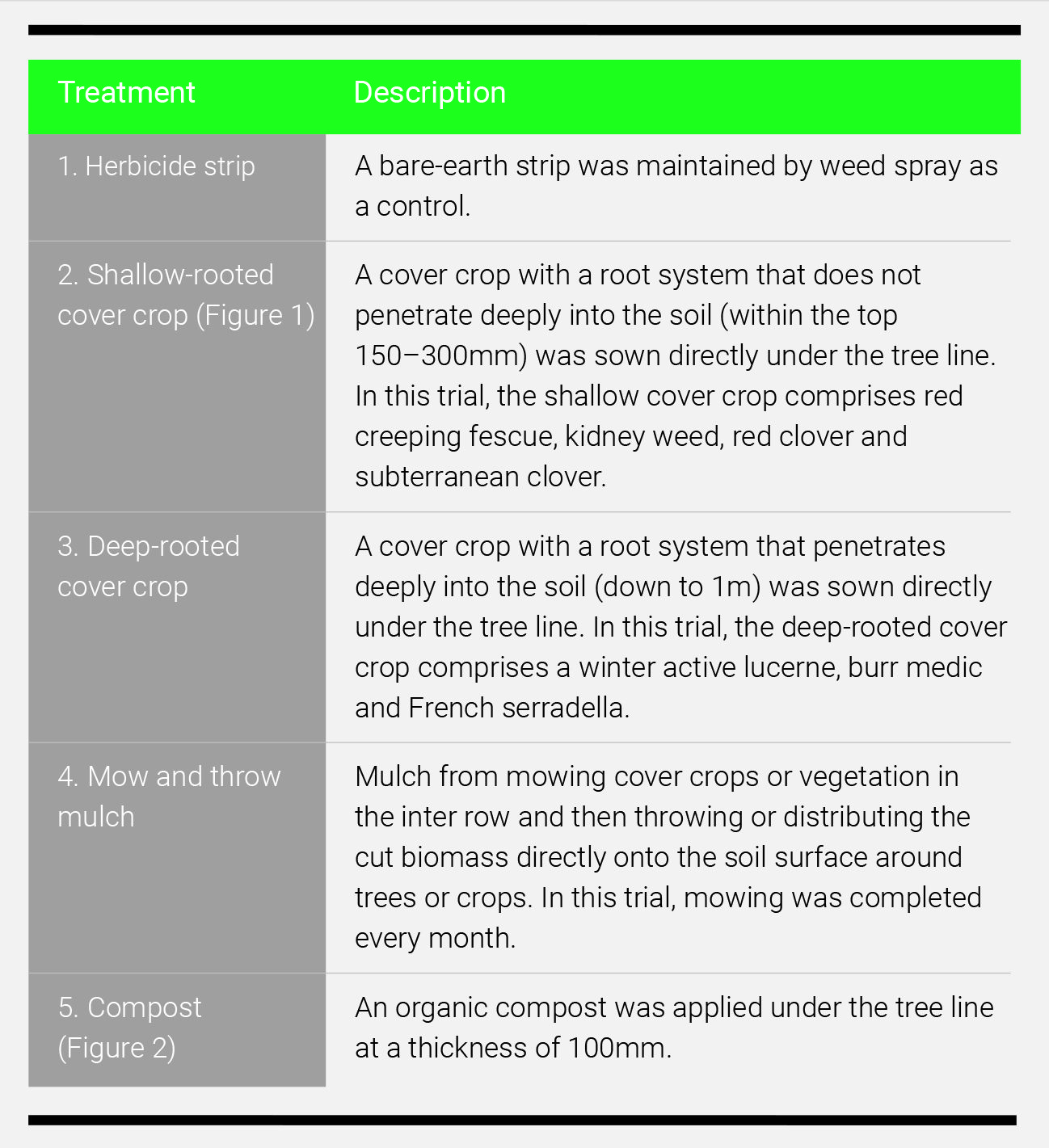
Table1: The treatments applied in the trial.
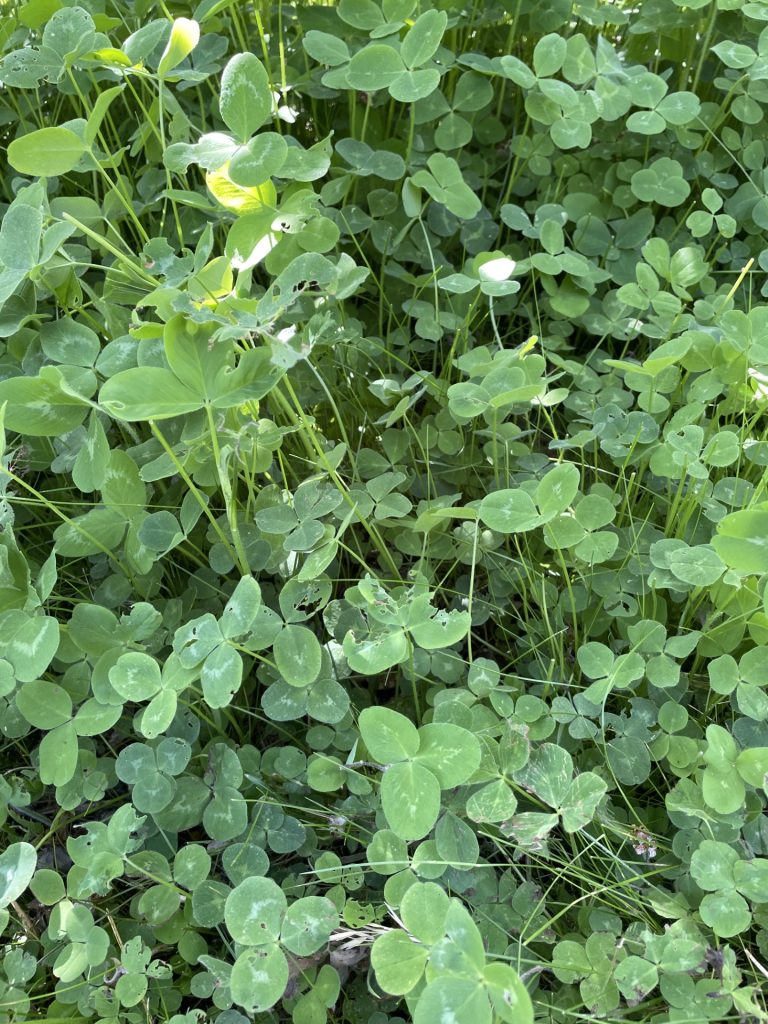
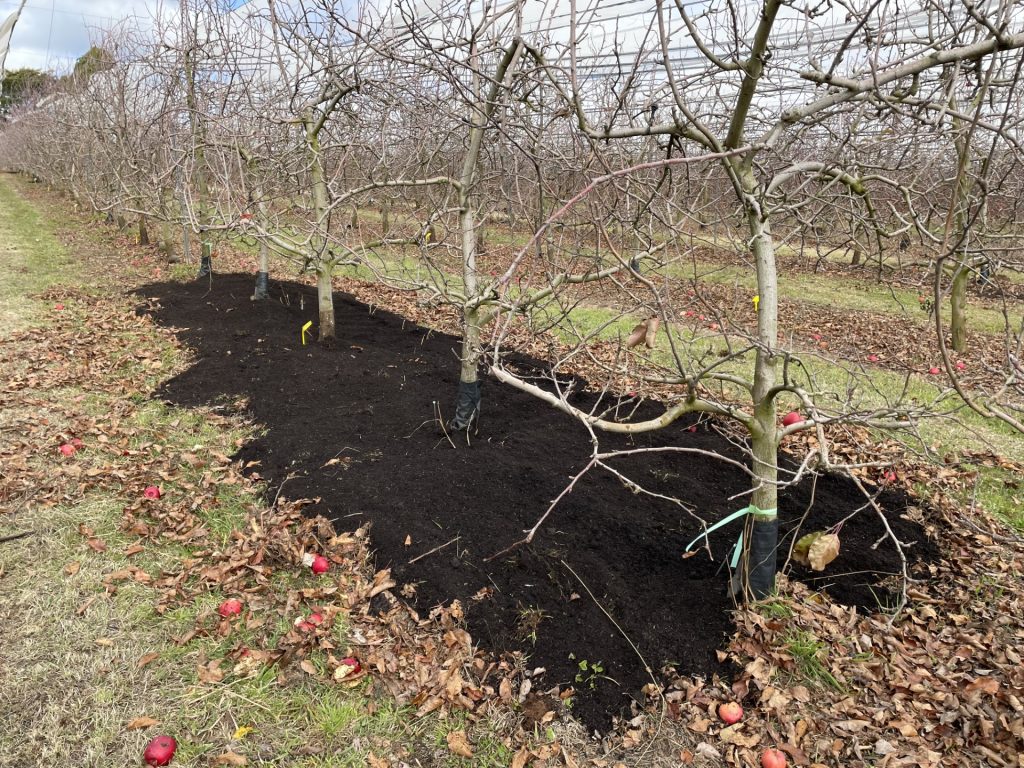
Figure 2: Organic compost applied to trees at Orange, NSW.
Why should we try to explore microbes?
Soil microbes are a diverse community of microscopic organisms involved in nutrient cycling in the soil and plants. To improve perennial horticulture production, it would be helpful to know which soil microbes are most useful in an orchard, how they can be encouraged in the soil, what their role is in carbon (C) sequestration, and know whether they increase fungal, bacterial, or microbial diversity in the soil.
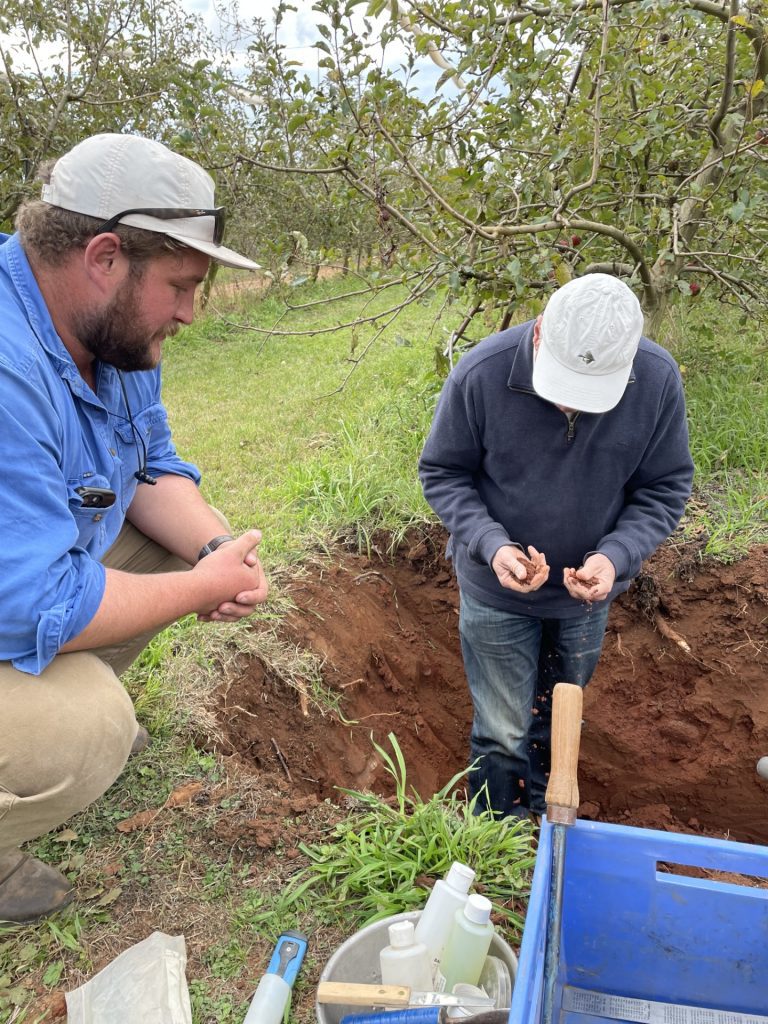
Figure 3: Host grower Iain MacLennan and soil scientist David McKenzie explore the soil at Orange, NSW.
Key microbial interactions
Microbe sampling during the growing season and dormancy will enable us to assess changes in microbe communities and nutrient cycling rates. Specifically, the project is investigating:
- The ratio of fungi to bacteria: This is expressed in mg C/kg and is typically close to 1:1 in a productive orchard soil. An undisturbed ecosystem, such as a forest or native bushland, will have a higher fungi to bacteria ratio than a disturbed system. In our project, fungal to bacterial ratio is expressed as a scale, with numbers less than 5 showing a large imbalance, while numbers greater than 5 and below 12 indicate a good balance.
- Microbial diversity: This is the range of different types of unicellular organisms, bacteria, archaea, protists and fungi. Having diverse microbial species in soil is important for nutrient cycling, soil structure and carbon sequestration.
- The number of mycorrhizal fungi in the soil: This contributes to the formation of soil aggregates, which improve aeration, water retention, and resistance to erosion. Mycorrhizal fungi are also critical for carbon formation in the soil.
- Nutrient cycling rate: This is expressed as a percentage and is a measure of how quickly and efficiently nutrients are transformed and cycled through the soil. Soil microbes are responsible for this process and a higher nutrient cycling rate can indicate:
- active microbial communities that are efficiently decomposing organic material
- improved soil fertility, as nutrients become more readily available to plants
- better plant growth potential, due to consistent nutrient supply.
- The number of microbes in the soil: A higher microbial biomass is associated with increased microbial activity, resulting in improved nutrient availability and enhanced soil fertility. A diverse microbial community can help the soil resist diseases and environmental changes.
What have we found so far?
Preliminary data (Table 2) from the first season provides an overview of the microbial species in the soil, as well as some key interactions the project will continue to assess.
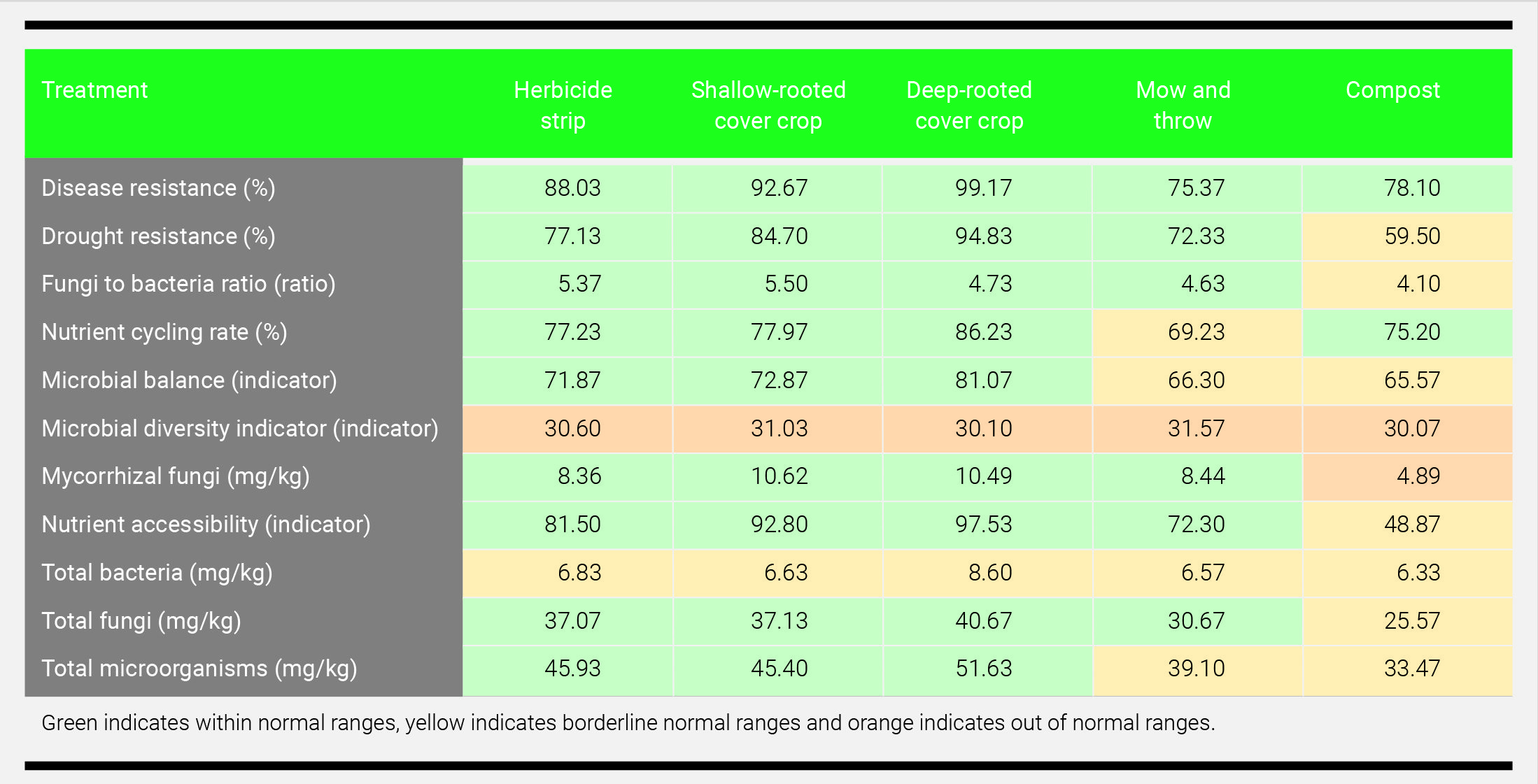
Table 2: The soil microbial analysis at the PIPS 4 Profit trial site in Orange in summer.
Early results suggest the deep-rooted cover crop provided the most benefits, particularly for disease and drought resistance, nutrient cycling rate, microbial balance, nutrient accessibility and total microorganisms (Table 2). All treatments had poor microbial balance, which will be a key focus for improvement as the trial progresses. Mycorrhizal fungi levels were lowest in the compost treatment – an interaction we will explore further. While these trends are interesting, they are only preliminary and have yet to be statistically analysed.
Next steps
Microbial samples will be taken during the next four years to investigate the changes in microbial communities. By identifying the microbes in the soil, an attempt can then be made to determine if they are beneficial to crop yield and quality, and the soil ameliorants that have promoted these benefits. Further analysis of the species of microbes in each community will be beneficial to determine if it is possible to isolate these.
Year one results raise the following questions:
- Is it beneficial to apply compost on soil microbes, particularly for the fungi to bacteria ratio, microbial balance and drought resistance?
- Can microbial diversity be improved by adding organic matter in the tree line, and does this result in an improved yield or quality?
- How do the treatments affect the nutrient cycling rate and nutrient availability?
- Is there a relationship between the number of mycorrhizal fungi in the soil and the amount of organic carbon?
The project will monitor how microbes affect soil physical properties, including structure, and compare these to the amount of C in the soil.
You can remain updated on the progress of year two of this research by visiting the PIPS 4 Profit website.
Acknowledgement
 The PIPS 4 Profit Building sustainable soils (AP22003) project has been funded by Hort Innovation using the apple and pear research and development levy, contributions from the Australian Government and co-investment from the Tasmanian Institute of Agriculture. It is supported by Pomewest, Fruit Producers SA, NSW Department of Primary Industries and Regional Development, and APAL. Hort Innovation is the grower-owned, not-for-profit research and development corporation for Australian horticulture.

This article was first published in the spring 2025 edition of AFG.



