
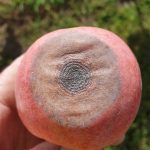
IPDM in focus: bitter rot
February 1, 2023Bitter rot is often the most serious fruit rot to affect apple orchards in warmer, humid growing conditions….

Why you will see footbaths at the upcoming Future Orchards Harvest Orchard Walks
If you attended the Future Orchards® Spring Orchard Walks in November 2022, you will have noticed that APAL…
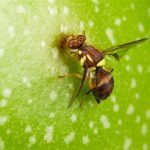
National Fruit Fly Council sets out priorities for next phase of work
December 19, 2022Protecting market access for Australia’s $3.4 billion horticultural export industries is one of the three key priorities for…
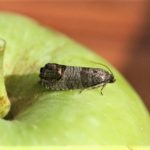
Proposed regulatory decision for malathion
December 7, 2022The Australian Pesticides and Veterinary Medicines Authority (APVMA) has published its proposed regulatory decision in relation to the…

Black spot management – experiences with ‘popcorn weather’ in Europe
Ongoing frequent rainfall and wet conditions across many regions in Australia this spring have made control of black…

IPDM in focus: Helicoverpa and loopers
November 16, 2022This article was first published in the Spring 2022 edition of AFG. It was prepared by Emily Crawford, Agriculture Victoria, using…
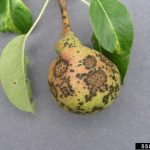
Managing pear scab (black spot)
November 9, 2022On 2 November Marcel Veens joined us online to discuss the options for managing pear scab in the…

Autonomous flower thinning technology on its way
October 3, 2022New technology that will enable apple growers to undertake variable time and rate spraying for flower thinning is…

Biological fungicides: A viable complement to chemical fungicides
September 27, 2022Dr Gordon Brown discovers more about Bacillus subtilis and reviews research on its potential to control crown rot….

Driving change in your orchard
September 7, 2022Smarter orchards will harness technology, data and the latest research findings to be more efficient and profitable into…
