
Preparation, push-back and point-of-difference: Negotiation for success
Better knowledge of negotiation tactics is key to redressing the skills imbalance when dealing with supermarket buyers.
Between the Senate Select Committee, an ACCC inquiry, frustrated shoppers and media scrutiny, there’s a lot of pressure on the major supermarkets at present.
Over the next 24 months we can expect a move from an inflationary to a deflationary phase, with Coles’ and Woolworths’ public relations teams already flagging their intention to drop prices. While this might be good news for consumers, it isn’t for growers.
NextGen Group’s Neil Rechlin and Anthony Grant led the final session at APAL’s 2024 Industry Forum with a focus on negotiation tactics for apple and pear growers.
Anthony was able to shed insights on the ‘dark side’ of buyer behaviour by drawing on his own experience in buyer roles.
“One thing you are not allowed to do as a buyer,” he said, “is to miss a target. Buyers are tasked with budgets they need to hit, with a stretch overlayed on top of that, which correlates to poor behaviour within the buyer community.”
“Retailers are going to come out swinging. They are blitzing TV with ‘great value’ ads, and price drops are already beginning,” Neil said. “But who is funding these price drops? The first group they lean on is you – the supplier.”
Buyers have to find the profit from somewhere. They either charge shoppers more, spend less with suppliers, or reduce operating costs. In the present context, they will need to buy cheaper, which is where we start to see programs that aim to shift millions from suppliers’ P&L to the supermarkets.
Neil and Anthony stressed that one of the major factors that hampers grower success in these situations is an imbalance in negotiation skills and training.
“The amount of effort, energy, time and money spent on negotiation training among the retailers you do business with is incredible,” Neil said. “Growers need to be able to front up better equipped and better trained, with a knowledge of negotiation tactics.”
Part of this skills imbalance is simply due to constant practice.
“Growers might have a conversation about price once a month,” Anthony said. “As a buyer, I had these conversations six times a day.”
Supermarkets are launching cost recovery programs such as Coles’ Supplier Collaboration Program (recently rebranded to Supplier Partnership Program) which provides a vehicle with which to have conversations with suppliers about prices.
Some of the negotiation advice from Neil and Anthony included:
- Set yourself up for success in a negotiation through preparation. “It’s just like a good harvest,” Neil said. “The groundwork starts months out from the big day. Sure, lots of things can go wrong – it might rain, it might not, but if you have a solid plan, you will get a better outcome than not planning and hoping it will go well. Unfortunately, a lot of growers only start thinking about the negotiation on the morning it happens.”
- Know the context. Buyers have a massive advantage in terms of access to data and know how to use it. Arming yourself with contextual information – about current market conditions, consumer behaviour, the competitive landscape and the current scrutiny on supermarkets – will help you push back.
- Push back on the need to negotiate. The retailer will tell you that you have to negotiate – but do you? It depends on the market, but keep in mind that you can say ‘no’. “Retailers will always want to negotiate,” Neil said, “because 95 per cent of the time it gets them more than if they did not.”
- Create a point of difference that has value for the end customer. Without a point of difference, there will always be a high level of ‘substitutionability’ and the negotiation will come down to price, and price alone.
- Build power. Growers can build power by creating commercial value for the customer. Building power starts well before any negotiation and establishes the value you have created for the buyer. “How strong is your proposition? How defendable is it?” Neil asked. “Create a point of difference, highlight the strong plays and be prepared for the buyer to try to build their power by saying you are lucky to be doing business with them.” Other tactics from buyers include telling growers they are ‘one of many’, their competitors are better and cheaper, they have plenty of options and they don’t really need your stock. Don’t hesitate to call out poor behaviour (particularly by email) as it puts the buyer ‘in a deeply uncomfortable place’.
- Beware of verbal and texted agreements. The Grocery Code says emails between buyers and suppliers must be stored for six years. “So, if the buyers are doing things by phone or text, it’s probably to get around this issue,” Anthony said, “Don’t text back. Answer them by email, and the problem often goes away because the buyer knows it hits their monitoring system. Gen Z buyers love texting, but if you answer them by email every time, they will start to conform.”
- Control the timeline. Time is your friend, while buyers are under time pressure. Look out for tactics such as ‘I need an answer on this by lunchtime/by close of play’. Putting a grower under time pressure shifts the balance of power.
- Beware of unbalanced relationships. Yes, relationships matter, but they should be a two-way street. A buyer will set aside a relationship without hesitation to reach their targets, while a grower is more likely to take a hit for the sake of maintaining a good relationship. “I’ve never seen a retailer investing in a grower’s business for the sake of the relationship,” Anthony said.
- Know the Grocery Code. The Grocery Code is your friend. In Neil and Anthony’s opinion, it is currently under-utilised by growers.
- Watch your costs. Every dollar you spend is as important as every dollar you earn. Neil and Anthony note that getting a better deal from the supermarkets can easily be cancelled out by higher prices with your freight providers or packhouses. Relationships need to be better managed, with a willingness to have tougher conversations when you are in the buyer’s seat.
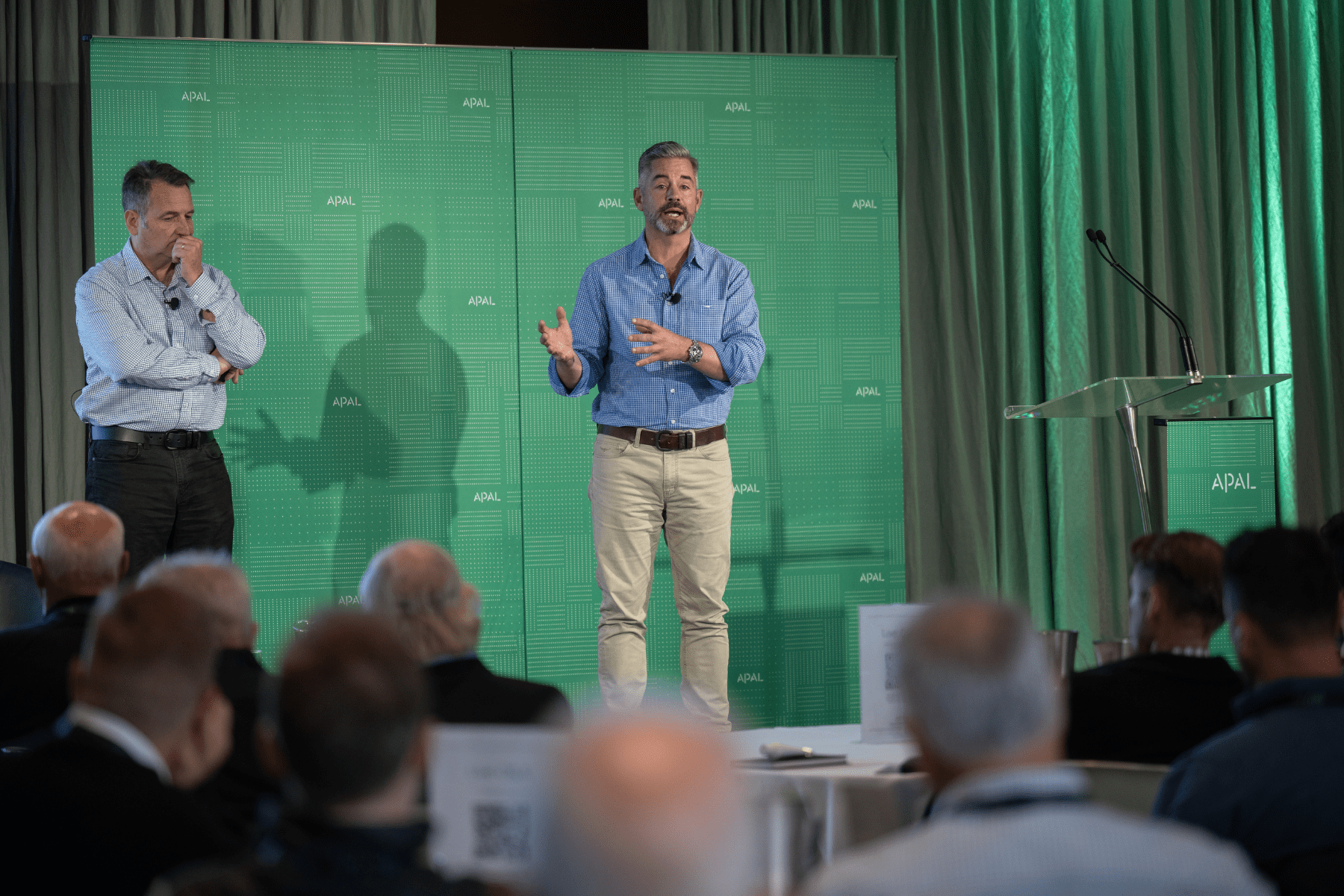
An imbalance in negotiation skills and training hampers grower success in dealings with supermarket buyers, according to Neil Rechlin and Anthony Grant. Photo: Ned Meldrum Photography
This article was first published in the Winter 2024 edition of AFG.



