
Keeping a lid on PSHB
Know the damage signs to look for in the case of a polyphagus shot-hole borer infestation, and which controls are best practice to prevent the entry and establishment of the pest on your orchard.
A tiny wood-boring invasive beetle has been wreaking havoc on trees in the Perth metropolitan area since 2021. Despite eradication efforts, the National Management Group – responsible for directing eradication programs for exotic pests and diseases – determined in June 2025 that it was no longer technically feasible to eradicate the polyphagous shot-hole borer (PSHB) from Western Australia. A national Transition to Management (T2M) response plan is now in place and is being delivered by the Department of Primary Industries and Regional Development (WA).
Although the PSHB (Euwallacea fornicatus) has been contained to a specific area, apple and pear growers in Western Australia and beyond should be aware of what to look for in case of a PSHB infestation.
Why is it a pest of concern?
PSHB forms what is known as a pest complex with the Fusarium euwallaceae fungus and these pests in combination cause dieback and tree death of many species of trees and shrubs, including some important agricultural crops.
The large number of hosts increases the likelihood that this pest complex could spread easily to other areas of both WA and the rest of the country, and the lack of effective chemical controls for the pest make it difficult to manage. Findings in the United States note that, in warmer areas, PSHB is active all year round, especially in urban areas and it likely completes multiple generations per year.
The PSHB can infest wood as small as 2.5 cm in diameter, so it is easily spread by the movement of woody plants and nursery stock across regions.

Figure 1: Close-up showing borer holes underneath the bark of a box elder tree. Photo: Pia Scanlon, DPIRD WA
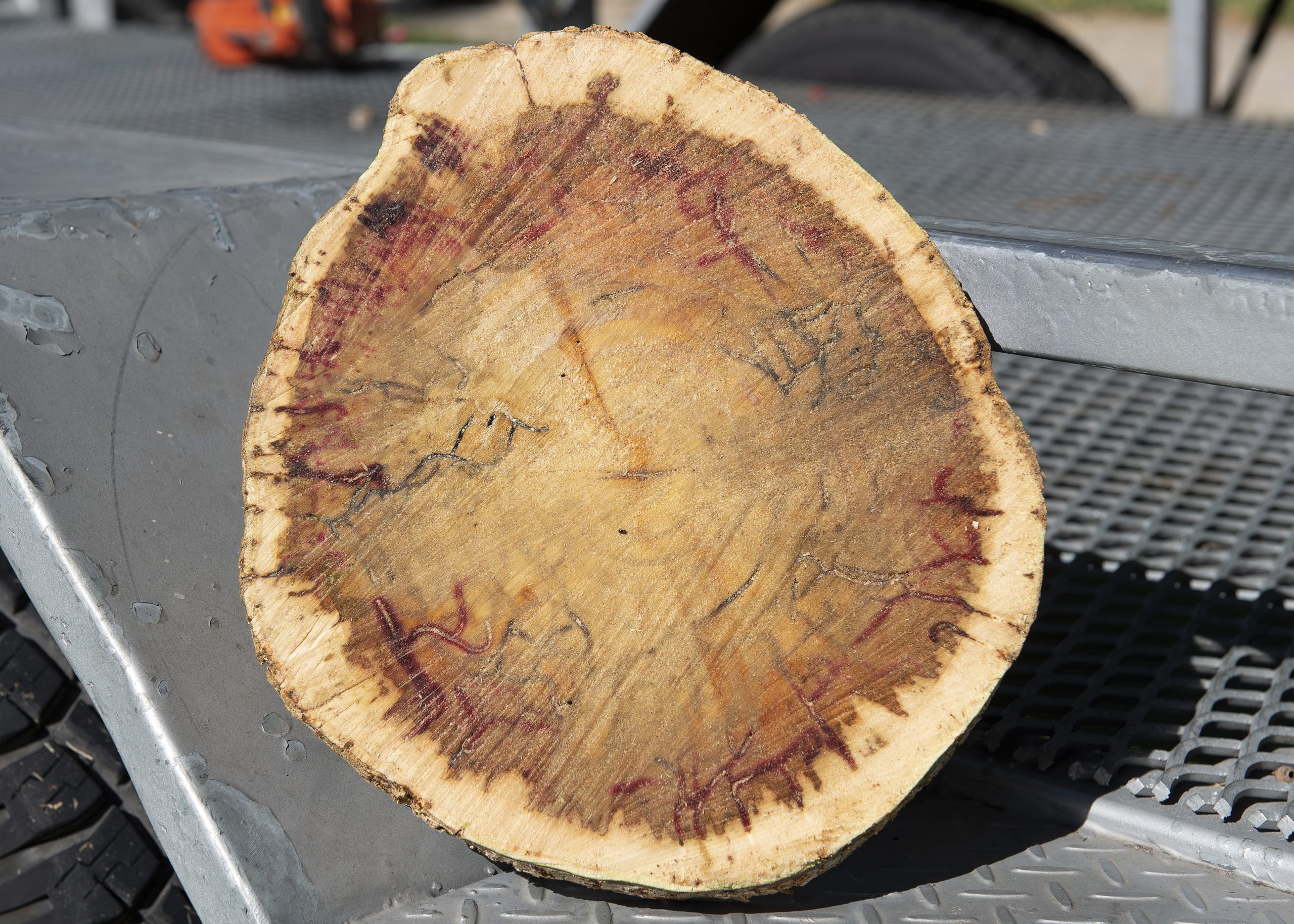
Figure 2: PSHB tunnelling inside a tree branch. Photo: Pia Scanlon, DPIRD WA
Identification
Injury occurs when the beetle bores into a tree (Figure 1) to create tunnels (galleries) for its eggs and larvae (Figure 2). It commonly attacks the main stem and larger branches of trees and shrubs, but injury can be found on twigs as small as 2.5 cm in diameter. Depending on the species, this initial damage can appear as staining, gumming, or a sugaring response on the outer bark. The presence of fine white boring dust (frass) in bark crevices and around the base of trees may also indicate heavy infestation (Figure 3).

Figure 3: PSHB holes and frass (the wood pushed out during tunnelling) on a box elder tree. Photo: Pia Scanlon, DPIRD WA
In the process of creating galleries, the female inoculates the tunnels with the symbiotic fungi that subsequently infects the water conducting tissue, or xylem. The interruption to normal water movement within the plant causes dieback symptoms in the tree.
Adults are oval and brown to black in colour. Adult females are approximately 2.5mm long and 1mm wide (Figure 4). Adult males are slightly smaller and, unlike females, they are unable to fly, are less numerous and typically do not leave the galleries (Figure 5). Immature stages (eggs, larvae and pupae) are white in colour and restricted to the galleries in the host plant.

Figure 4: Lateral view of a female adult PSHB. Photo: Pia Scanlon, DPIRD WA
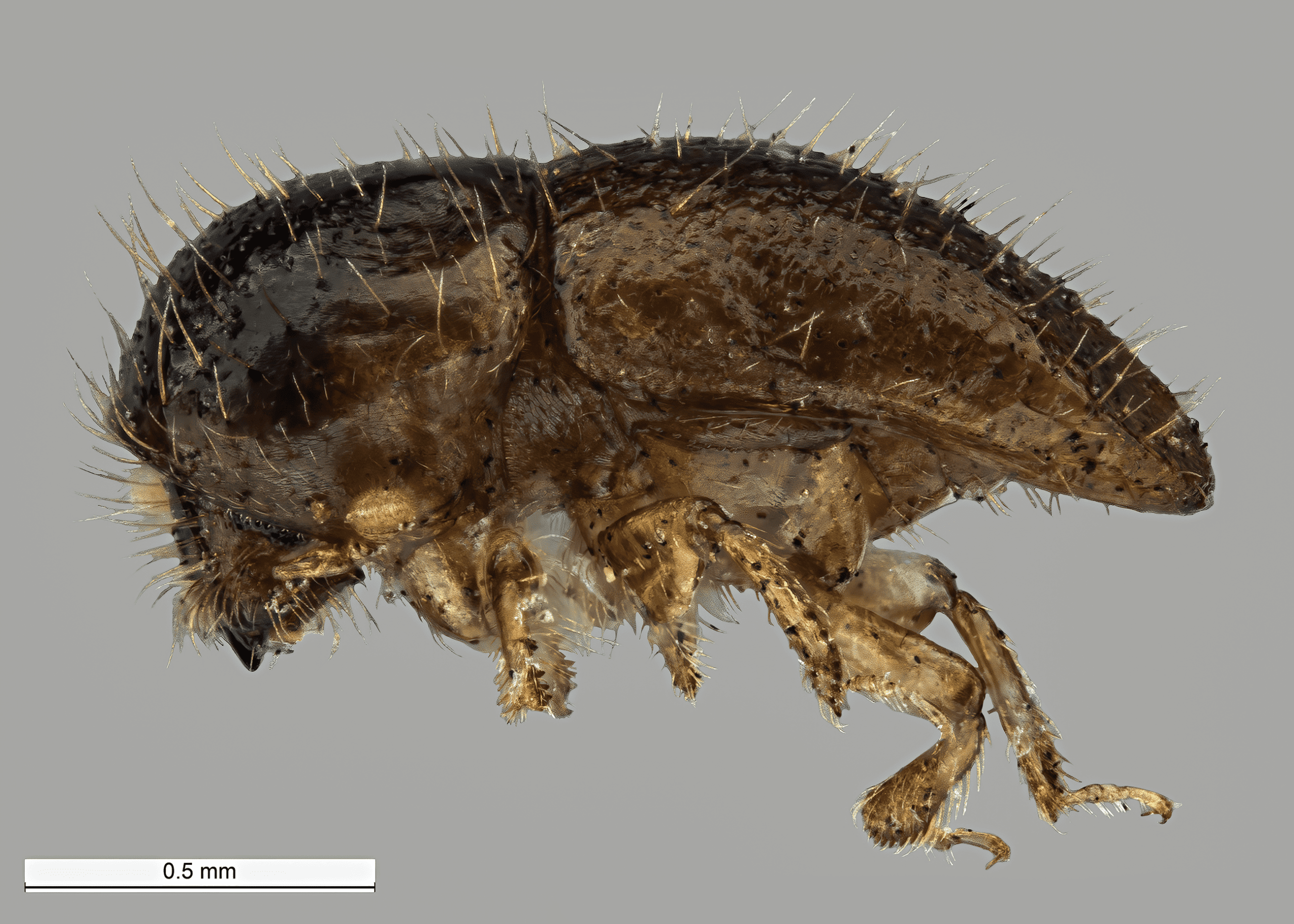
Figure 5: Lateral view of a male adult PSHB. Photo: Pia Scanlon, DPIRD WA
Management
No effective insecticides are labelled for control of this pest complex in apples and pears, which means that cultural and mechanical controls are the best practice.
Healthy trees are less likely to die due to PSHB attack, and cultural care – such as proper irrigation, maintaining good soil conditions and protecting the tree from mechanical damage (for example, by machinery) – is key to a healthy and resilient tree.
Pruning tools should be disinfected between trees to avoid spreading the fungus and other opportunistic pathogens.
Most trees that are severely infested (with more than 150 active entry holes) are not likely to recover from the infestation and will become a persistent source of beetles that can disperse and infest neighbouring trees. Prompt removal of severely infested trees is recommended.
Since PSHB can survive and reproduce on stumps and cut wood, it is recommended to either grind the stump or cut it to ground level after tree removal. In winter, remove and burn infested and diseased trees or branches of both orchard trees and other nearby hosts. This will prevent beetle populations building up to the point where they might attack healthy wood.
Put in place the following biosecurity best practice actions to prevent entry, establishment and spread of PSHB and other pests and diseases:
- Practice “Come clean, go clean”.
- Ensure all staff and visitors are instructed in and adhere to your business management hygiene requirements.
- Monitor your trees regularly.
- Monitor and control felled wood, tree prunings and mulch on your orchard that could harbour pests and diseases.
- Source plant material of a known high health status from reputable suppliers.
- Keep records.
Monitoring
Early detection is the key to controlling this insect. Regular visual monitoring is recommended to ensure infestations are managed early before they cause dieback or tree death, and when the trees have the best chance of recovery.
On infested trunks and limbs, there often will be holes about 2mm in diameter, oozing sap and/or sawdust. Holes without fresh sawdust are most likely from previous years and no longer contain beetles. One other way to confirm if there are live beetles within the galleries is by painting over several entry holes with water-based latex paint. If females are active, the entry holes will re-open during the next 24 hours.
Pay special attention to areas that have a history of attacks (if you are located in WA), that are near hedges, brush piles, or wooded areas. Bear in mind that the beetles attack primarily unhealthy trees.
Traps will only attract the beetles that are already present in the area, so trapping is not an effective control and is only used as a monitoring method for keeping track of flights.
Further reading
DPIRD’s guide to the signs of PSHB and how to make a report: https://www.dpird.wa.gov.au/businesses/pests-weeds-and-diseases/animal-pests-diseases/pest-insects/polyphagous-shot-hole-borer
DPIRD (WA) PSHB fact sheet: www.dpird.wa.gov.au/siteassets/documents/biosecurity/invasive/pshb-biosecurity-alert-factsheet.pdf
Agriculture Victoria PSHB fact sheet: https://agriculture.vic.gov.au/biosecurity/pest-insects-and-mites/priority-pest-insects-and-mites/polyphagous-shot-hole-borer
This article was first published in the Summer 2025 edition of AFG.



