Intensive pear production in Australia – why we need more rootstocks
January 2009 | Angie Grills, DPI Cobram | Future Orchards® notes
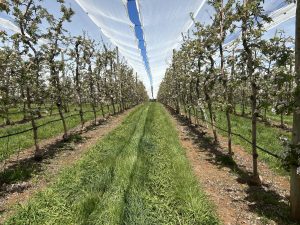
Angie Grills argues that the long-term competitiveness of intensive Australian pear production depends on having access to a wider range of rootstocks. For many years the industry relied primarily on vigorous Pyrus calleryana D6, which suits traditional low-density systems but is difficult to contain in higher-density orchards.
The notes explain why dwarfing and precocious rootstocks are important: they help restrict vigour, allow higher planting densities, induce earlier bearing and improve yield efficiency. International pear industries use a mix of pear and quince rootstocks, with quince generally offering greater precocity and efficiency but also bringing compatibility and site limitations.
The practical message is that rootstock choice should be expanded, tested and matched to conditions. Australian growers need options that can deliver the desired tree size and cropping behaviour across different soils and climates. The resource provides useful background for growers assessing quince and other alternatives to D6 in intensive systems.