
Enabling growers to explore their challenges
APAL’s Future Orchards® Trial Incubator was launched in 2023 to support prompt and practical on-farm testing of new concepts and approaches towards better equipping industry to respond to emerging issues.
With the 2024 harvest ending, the first round of Incubator projects are reporting their findings to APAL and these reports are uploaded to the website as they are received.
A summary of two of these projects is outlined below.
Monitoring apple shipments to measure temperature variation in the supply chain
In Western Australia, Pomewest took its quality focus a step further along the supply chain to investigate what happens to the temperature levels of fruit as it travels from the packhouse to the distribution centre (DC).
Fresh produce data-logging specialist Escavox was engaged to track a number of apple shipments from two of the state’s packhouses. Escavox data loggers were inserted into fruit cartons alongside fruit and these recorded air temperature, location, humidity and light levels along each journey to market (called a ‘track’).
In this trial, a total of 89 tracks were completed between November 2023 and February 2024. Live tracking made it possible to monitor time in each leg of the supply chain, as well as the temperature and humidity conditions at any given time throughout the journey to the DC or retail store.
Two pathways of fruit travelling to market were identified, being a cross dock (rapid) pathway and a transport hub (consolidation) pathway. Generally speaking, participating packhouses were happy; the process was relatively simple and provided some additional information on fruit movements and temperature fluctuations.
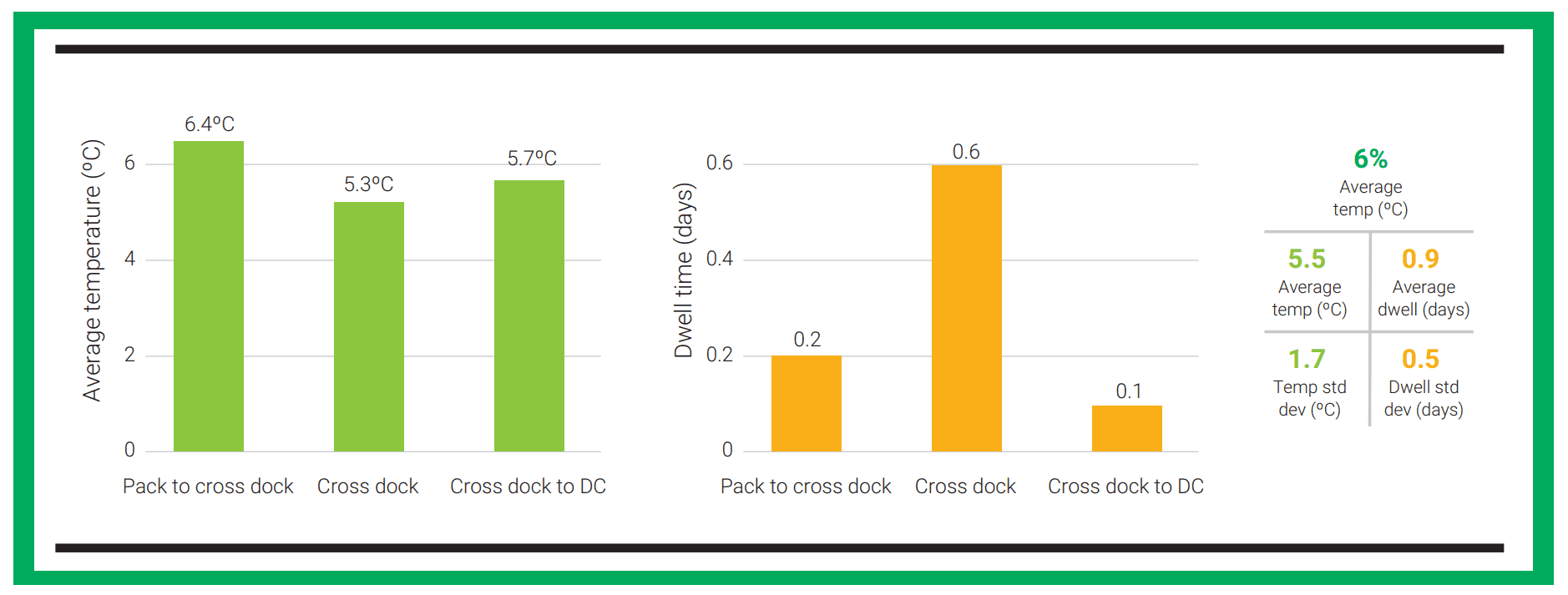
Figure 1: Data sourced from the Escavox data logger highlighting average temperature and dwell time by supply chain location.
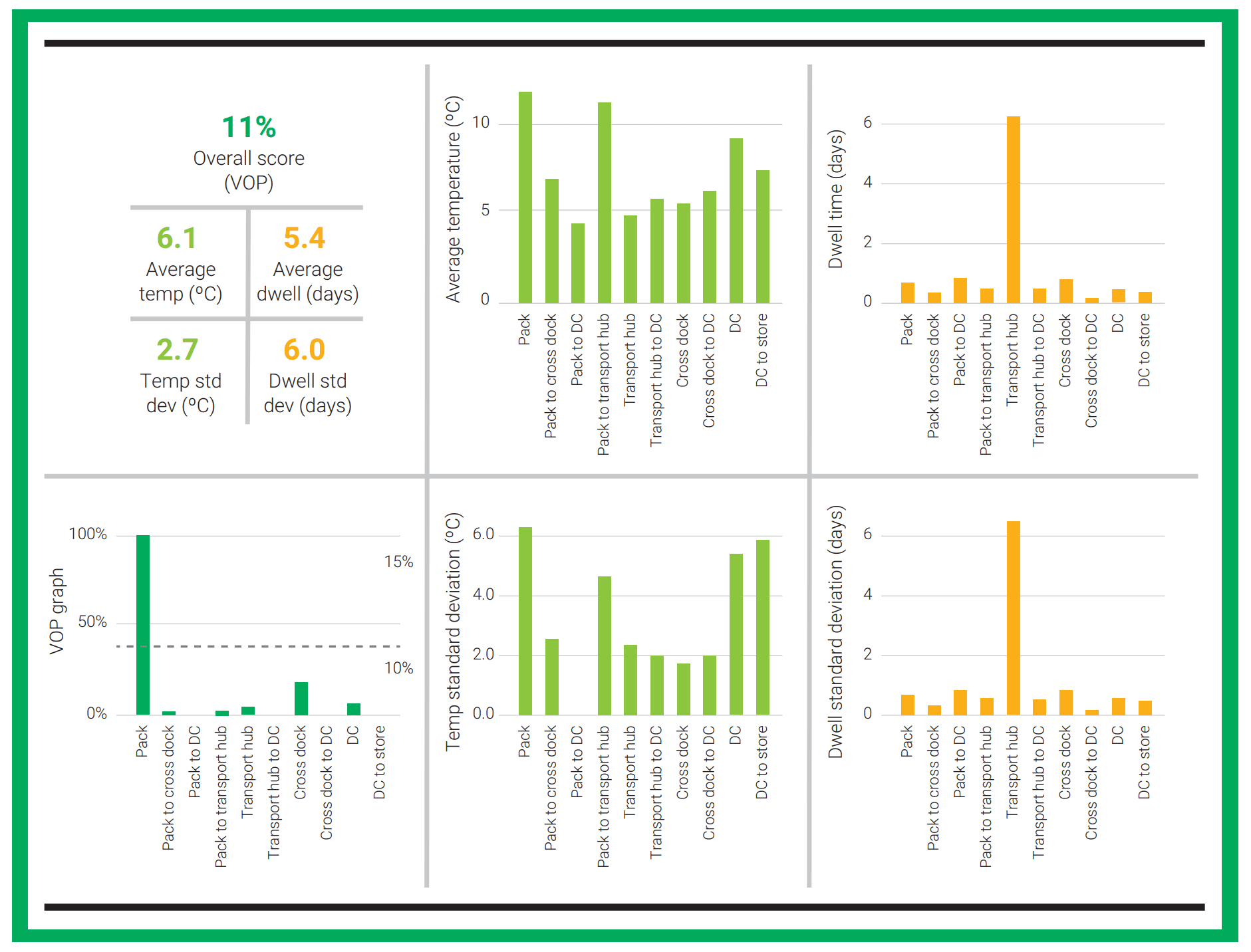
Figure 2: Escavox dashboard data gathered across the trial period.
Findings and recommendations
- Average temperature of all tracks was 6.1°C ±2.7°C.
- Cross dock and transport legs had a combined average temperature of 4.8°C.
- Time from packhouse to DC was greater at the transport hub route (average of 6.8 days) vs cross dock pathway (average of 0.9 days).
- Temperatures increased at retailer distribution centre, averaging 9.4°C ±5.0°C.
- Store delivery temperatures averaged 7°C.
- Escavox recommended that industry focus on:
- improving understanding of the different routes to market and why they are occurring
- ensuring adequate precooling before shipment.
Biodigestion of apple pomace – can it be turned into a soil conditioner?
Bellevue Orchard in Officer, Southern Victoria, investigated the potential of processing waste apple pomace from its juice business as a potential soil conditioner for use on the orchard.
Having previously explored options for the use of apple pomace, this particular trial focused on the use of a rapid aerobic treatment system (BioNova C1 test unit, also referred to as a biodigester) to process the apple pomace. Digestate – the byproduct of this treatment – was then tested for its suitability as a soil conditioner from a nutrition, safety and suitability perspective.
The concept is relatively straightforward. Food waste, in this case apple pomace, is added to the biodigester where enzymes assist rapid breakdown of this waste to an output product called digestate within approximately 24 hours. This digestate then has the potential to be used as a fertiliser, stockfeed or potentially as a biomass fuel.
However, in practice, things did not proceed exactly as expected. When processing apple pomace as part of the trial, the moisture content and pectin levels of the pomace proved to be a challenge, with a clay-like solid product being produced as opposed to a nice coffee grounds-like consistency as is typical of other food wastes that are processed in this manner. To overcome this issue, wheaten chaff was added to the mixture to provide ‘structure’ and create a usable product.
This pomace–chaff mixture was then sent to labs for processing to assess its viability as a soil conditioner or biofertiliser. The results were then evaluated by three consultants who observed the following:
- pH requires alkalisation (addition of lime or similar to achieve a more neutral pH range)
- N, P, K content relatively low
- Good carbon content (45 per cent total carbon which equates to approx. 76 per cent organic matter)
- Good micronutrient content
- Heavy metals well within safety guidelines
- Minimal pathogen content
- Further analysis of microbes would be required before use.
Findings and recommendations
- Apple pomace was not suitable for directly processing in a biodigester due to its high moisture content and lack of ‘structure’ to enable the thermophilic reaction.
- The addition of other products to help dry and add structure would be required to enable effective processing as well as post-processing to make a suitable fertiliser product.
- Given the pH levels (pH ~4), minor amendments to the output product would allow use as a fertiliser for blueberries.
- Significant alkalising would be required for most other crops to achieve a pH of 5.8–6.5.
- Next steps could be:
- amendment of inputs to allow easier processing in the biodigester (more ‘structure’ and lower moisture content)
- amendment of outputs to a more neutral pH level (addition of lime or similar)
- further investigation of dried pomace as a biochar input.
Reflecting on participation in the program, Nick Russo, CEO of Bellevue Orchard and Summer Snow Juice, said the program was “well worthwhile and gave us the motivation to get on with an idea we’d been sitting on for a while”.
Got an idea for a trial?
The Future Orchards Trial Incubator 2024–25 intake is open!
Visit the Future Orchards Trial Incubator section of the APAL website for further information: apal.org.au/programs/future-orchards/trial-program.
Alternatively, contact Nic Finger via email: [email protected].
Final trial reports for the trials from the 2023–24 season will be published on the APAL website as they become available.

An Escavox tracker was placed into apple cartons at the packhouse and logged data on the cartons’ journey to the distribution centre.
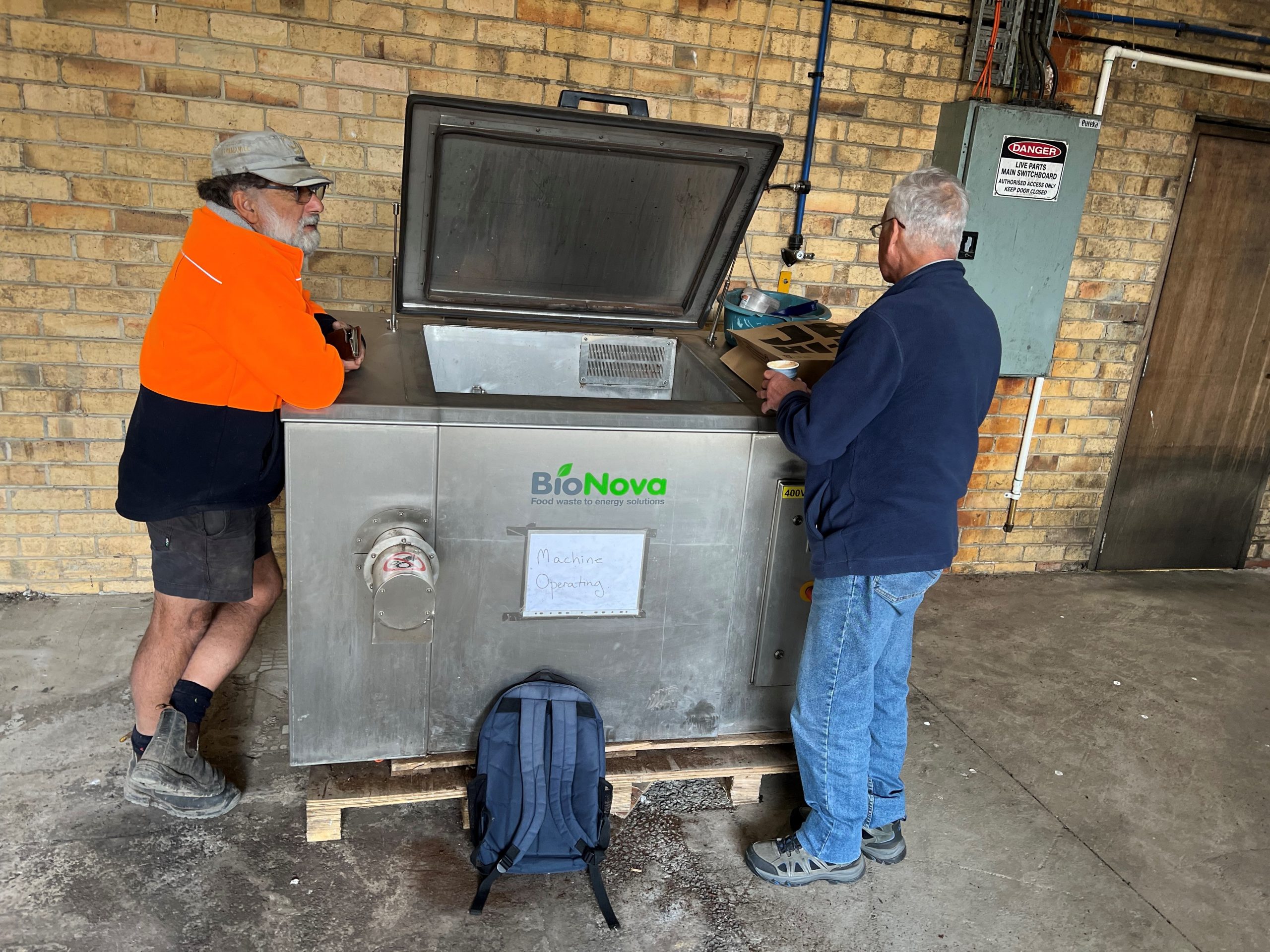
The biodigester used in the trial at Bellevue Orchard.
This article was first published in the Winter 2024 edition of AFG.



