Emerging leaders complete APAL’s 2026 Short Course in Fruit Production
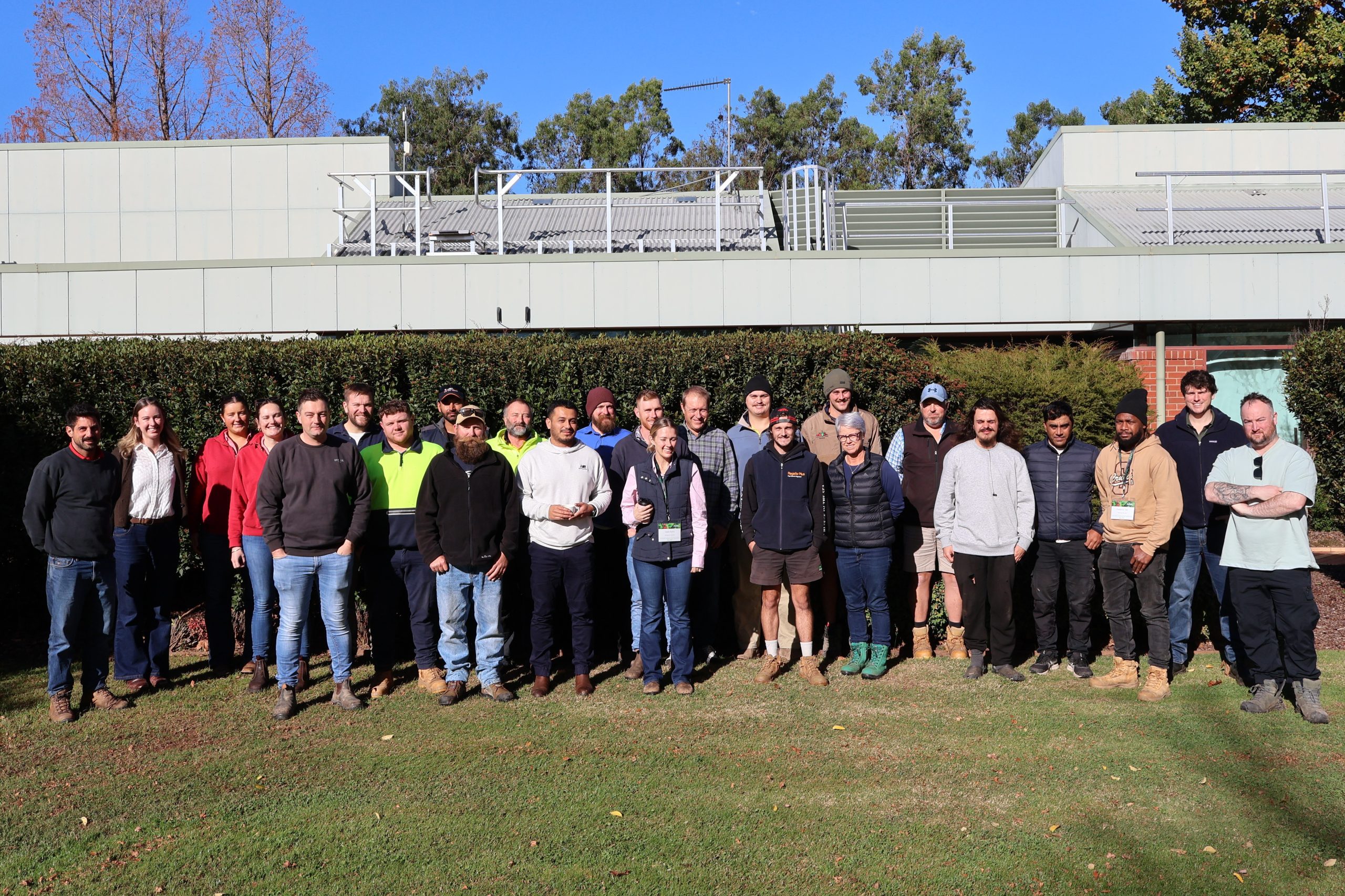
Twenty-five emerging leaders from Australia’s apple and pear industry came together in the Goulburn Valley for APAL’s 2026 Short Course in Fruit Production, building technical knowledge, practical skills and professional networks that will support them throughout their careers.
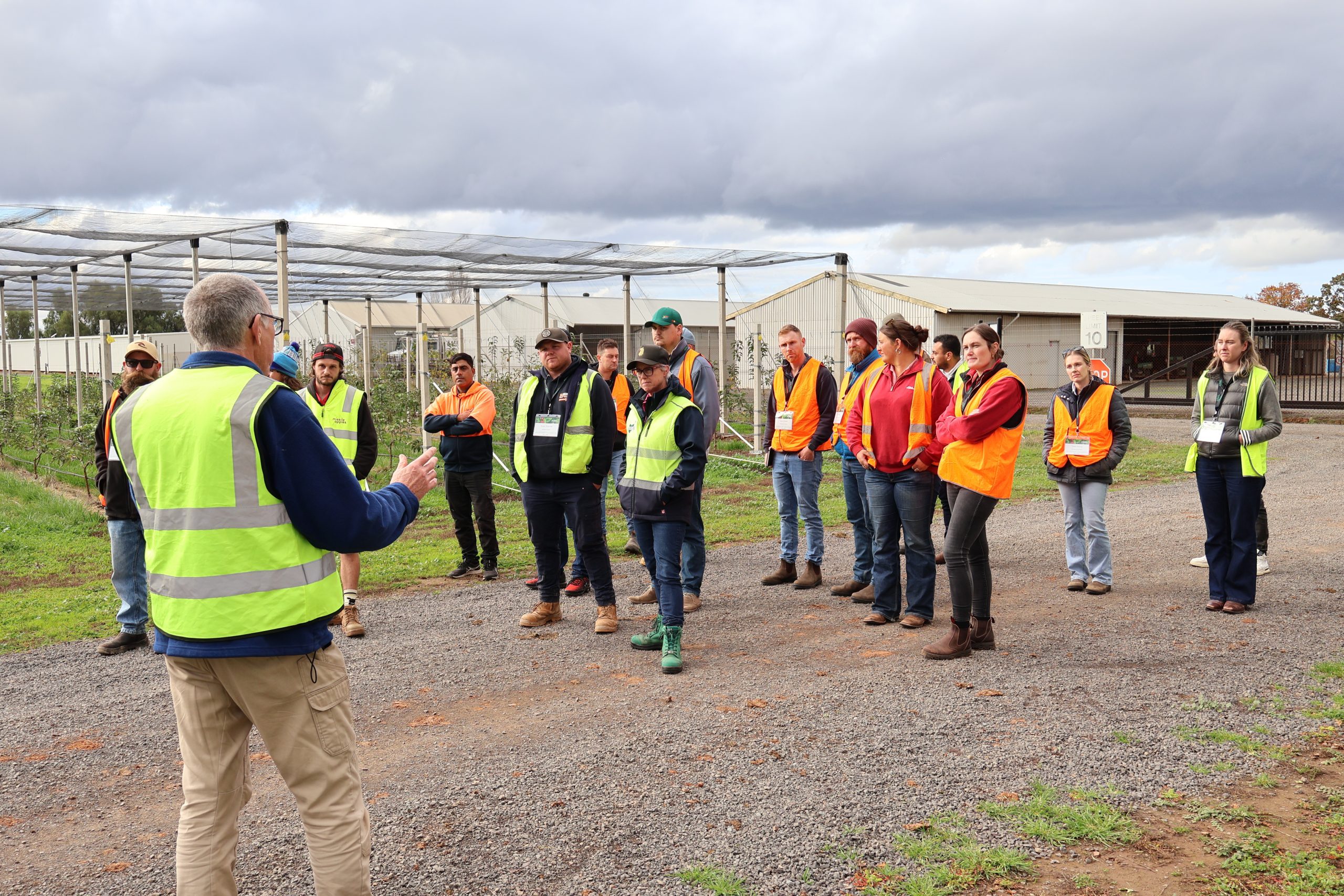
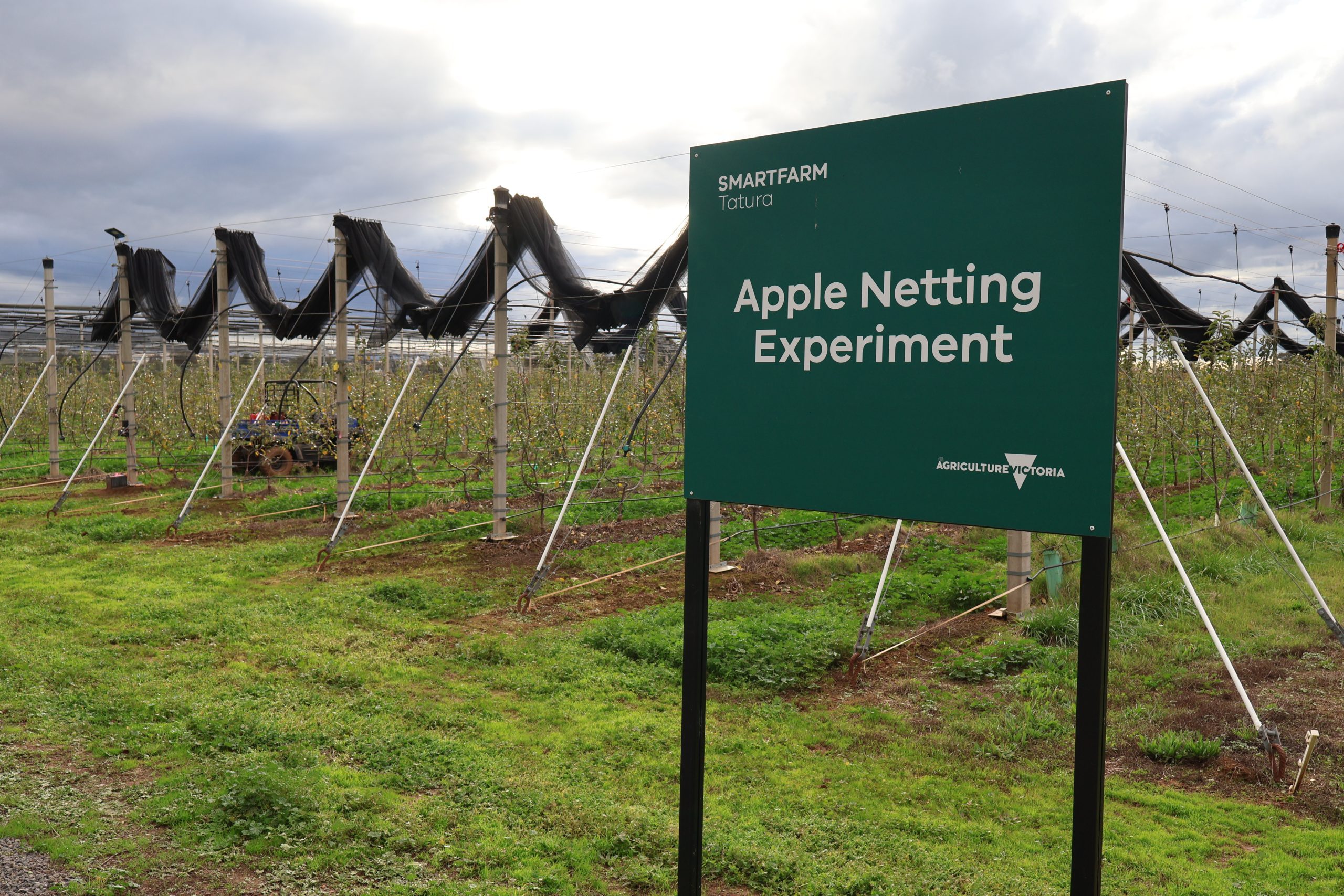
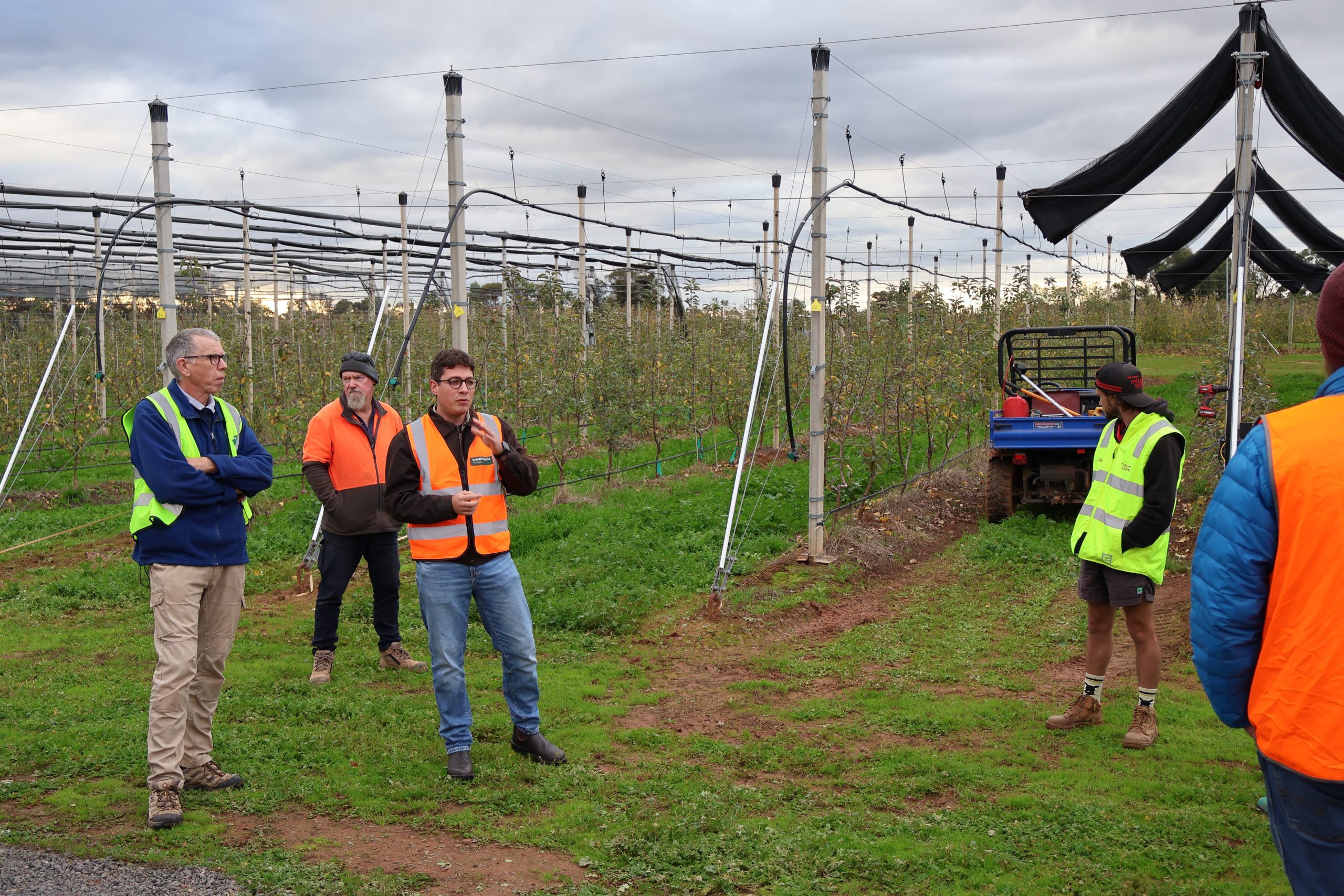
Held at Agriculture Victoria’s Tatura SmartFarm from 10–16 June, the intensive five-day program was delivered as part of the new Hort Innovation-funded Building capability program for emerging leaders (AP25001). Designed for emerging growers and those new to the industry, the course helped participants build a strong technical foundation, improve their understanding of common orchard tasks and develop capability in areas they may have had less exposure to throughout their careers.
Across the week, participants explored the key biological, economic and management factors that influence orchard performance, from tree physiology and crop development through to irrigation, nutrition, pest management and postharvest handling.
A major focus of the course was understanding how decisions made throughout the season influence both fruit quality and business outcomes.
Nigel Cook (Prophyta) led a series of sessions examining tree physiology, dormancy and branching, flowering and fruit set, fruit growth and development, pruning systems and tree architecture. These sessions helped participants better understand the biological processes driving orchard productivity and how management practices can be tailored to maximise orchard performance.
APAL’s Nic Finger explored orchard economics and crop load planning, highlighting the relationship between production decisions, fruit quality, packouts and profitability. Participants were encouraged to think critically about how technical orchard decisions translate into economic outcomes.
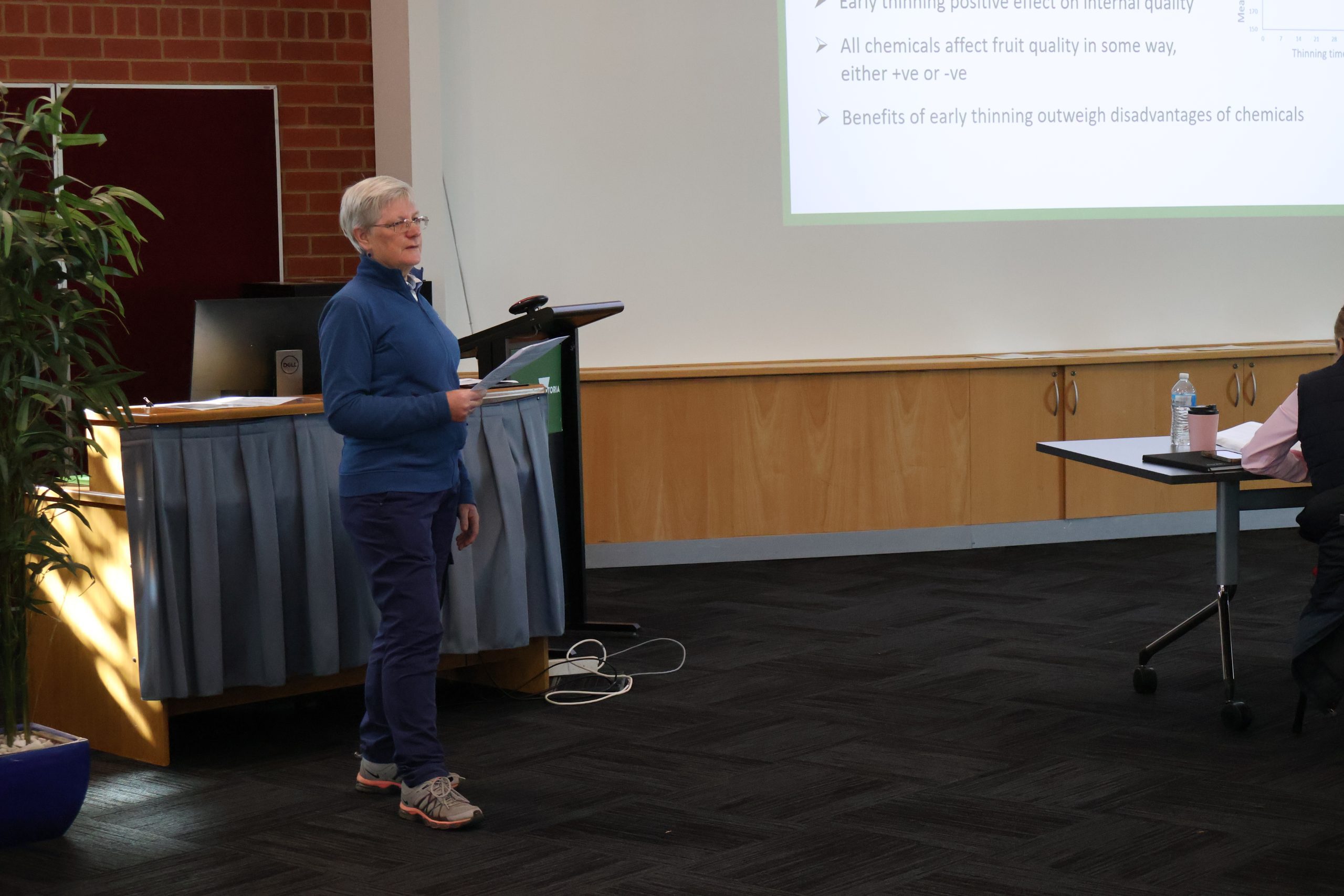
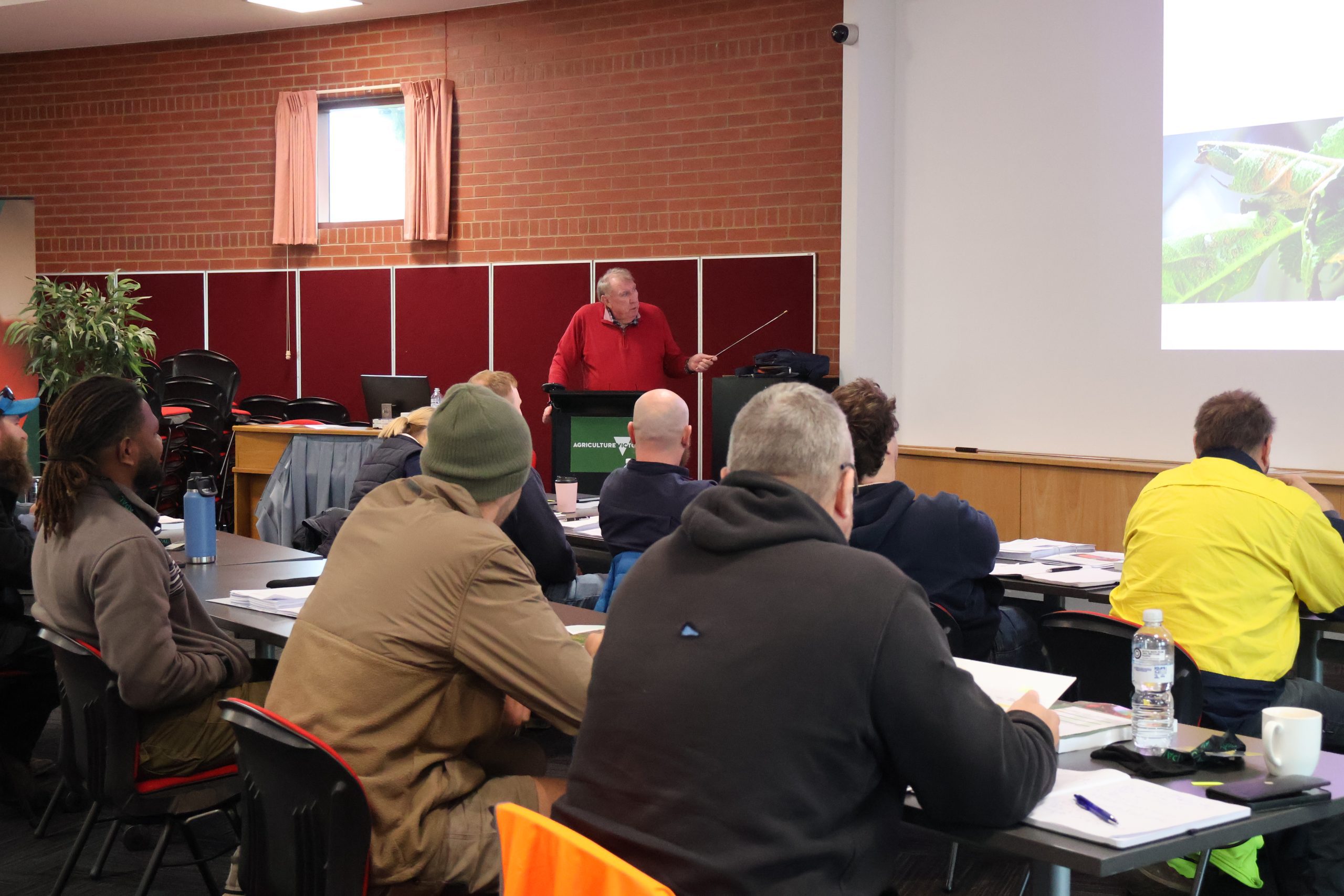
Fruit size and thinning strategies were presented by Sally Bound, while Stephen Tancred (Orchard Services) delivered practical sessions on orchard pest and disease management, including a hands-on scouting workshop focused on identifying issues in the orchard and understanding where and how to monitor effectively.
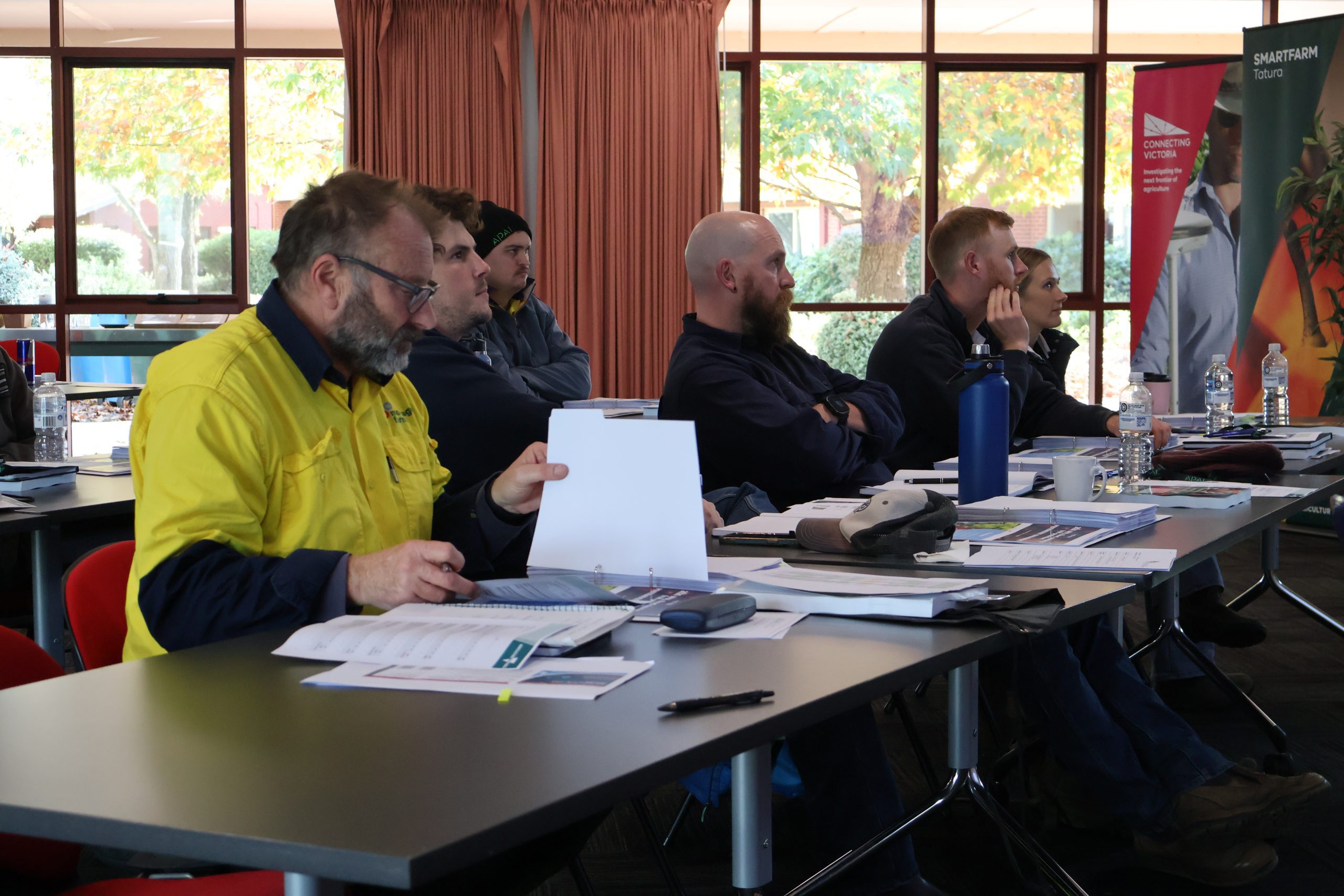
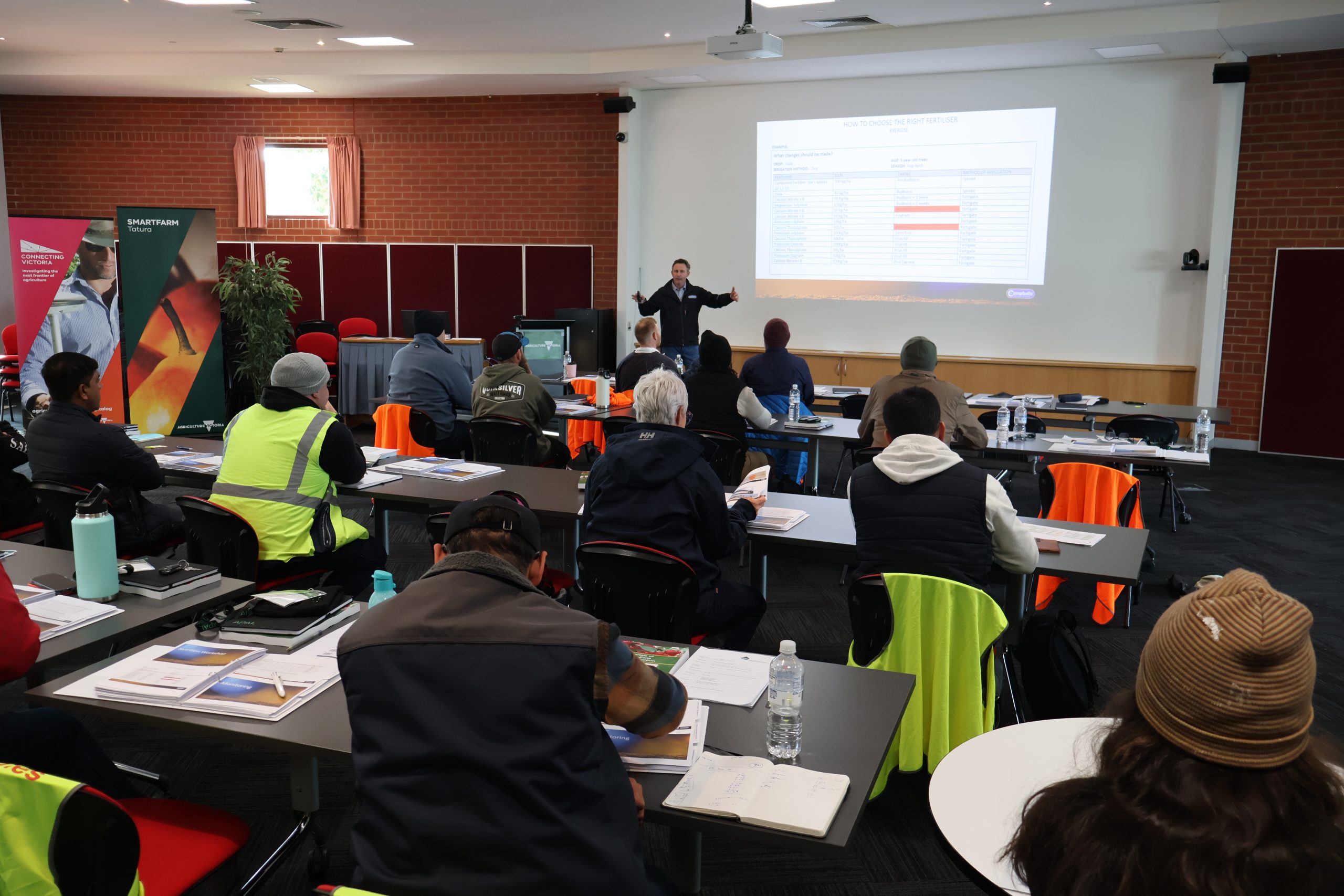
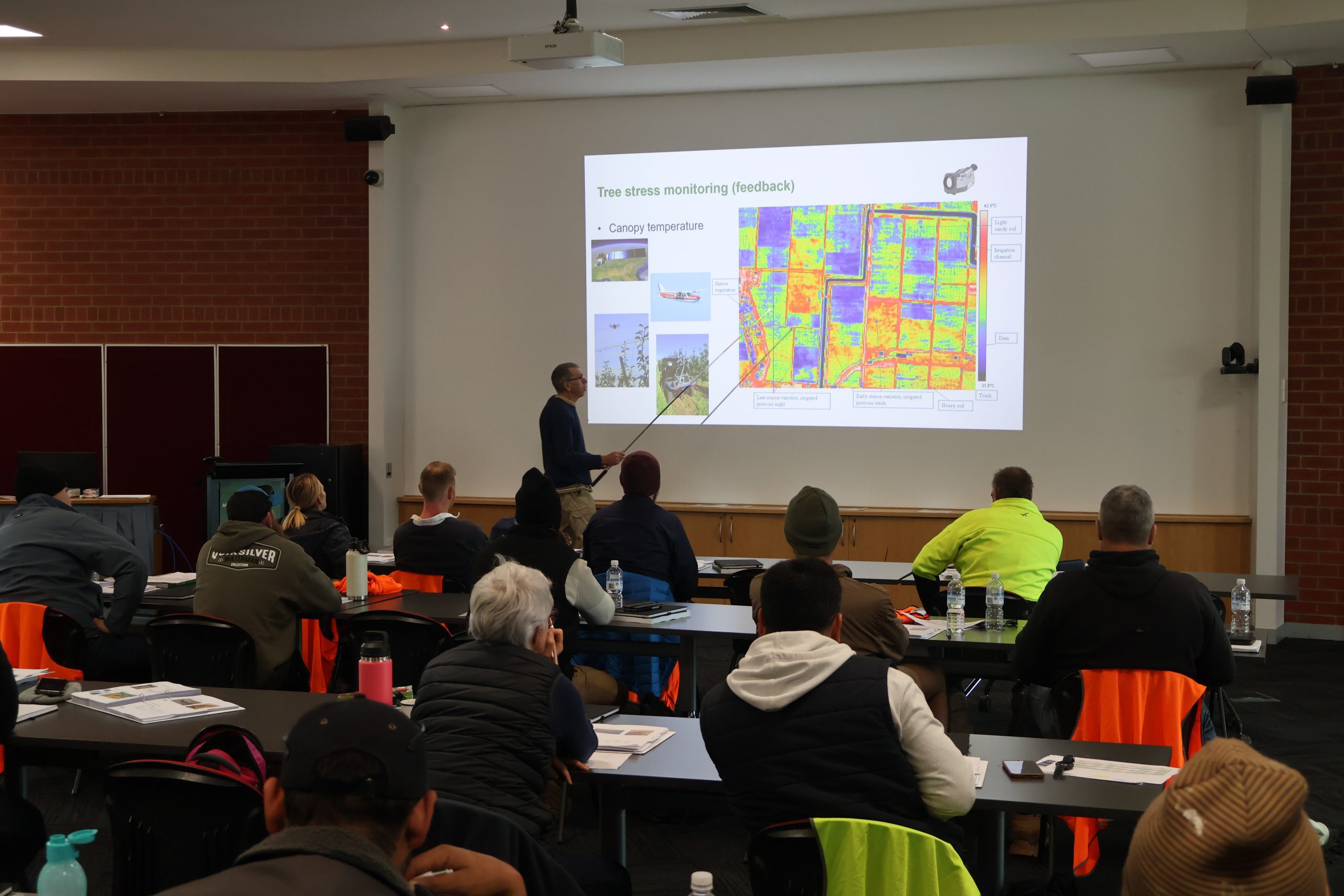
The program also examined soil health, irrigation and nutrition management. Christian Bannan (South East Soil & Water) discussed soil drainage and nutrition principles, Matt Thomas (Campbells Fertiliser) explored tree fruit nutrition, and Ian Goodwin (Agriculture Victoria) shared strategies for irrigating to produce high-quality fruit.
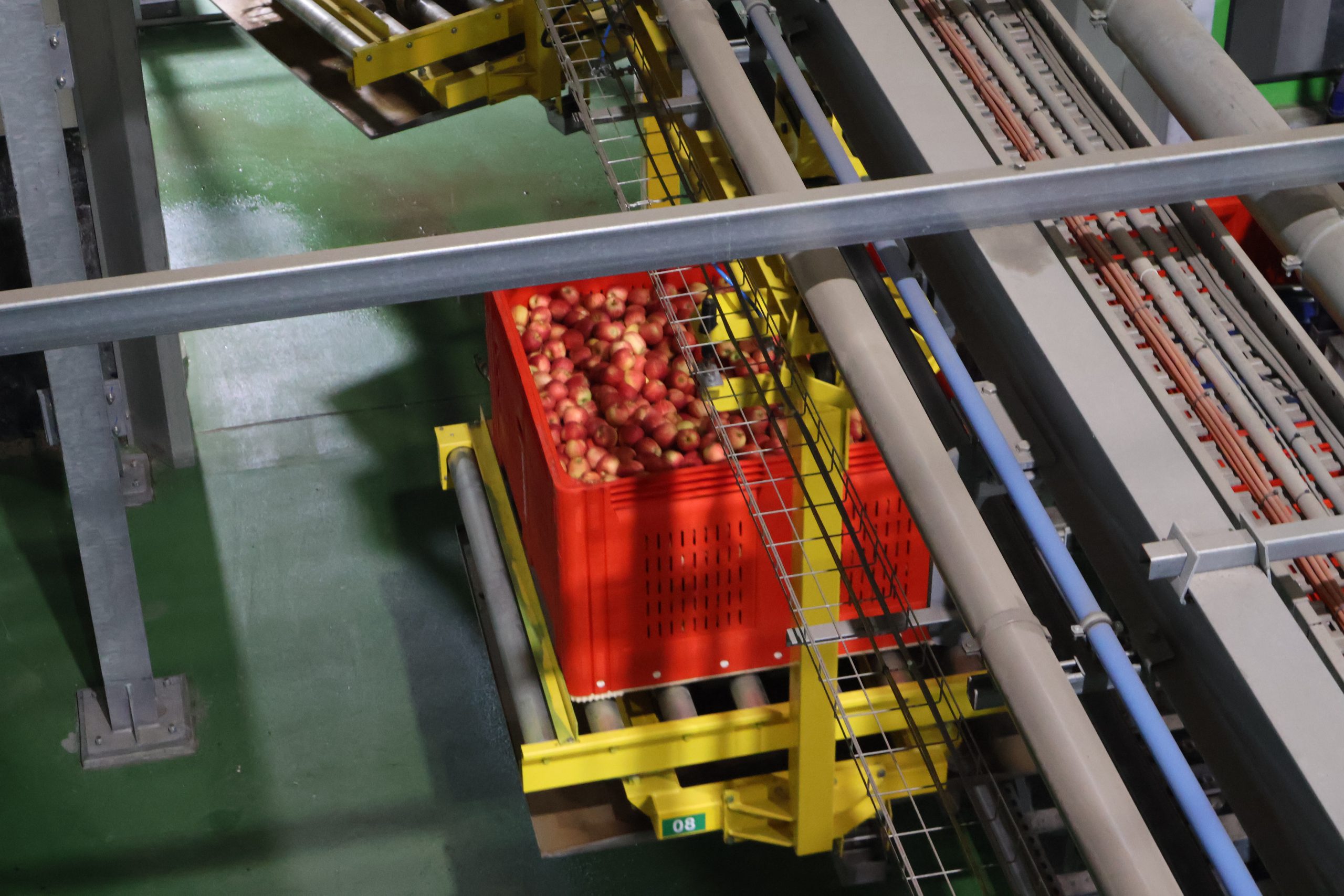
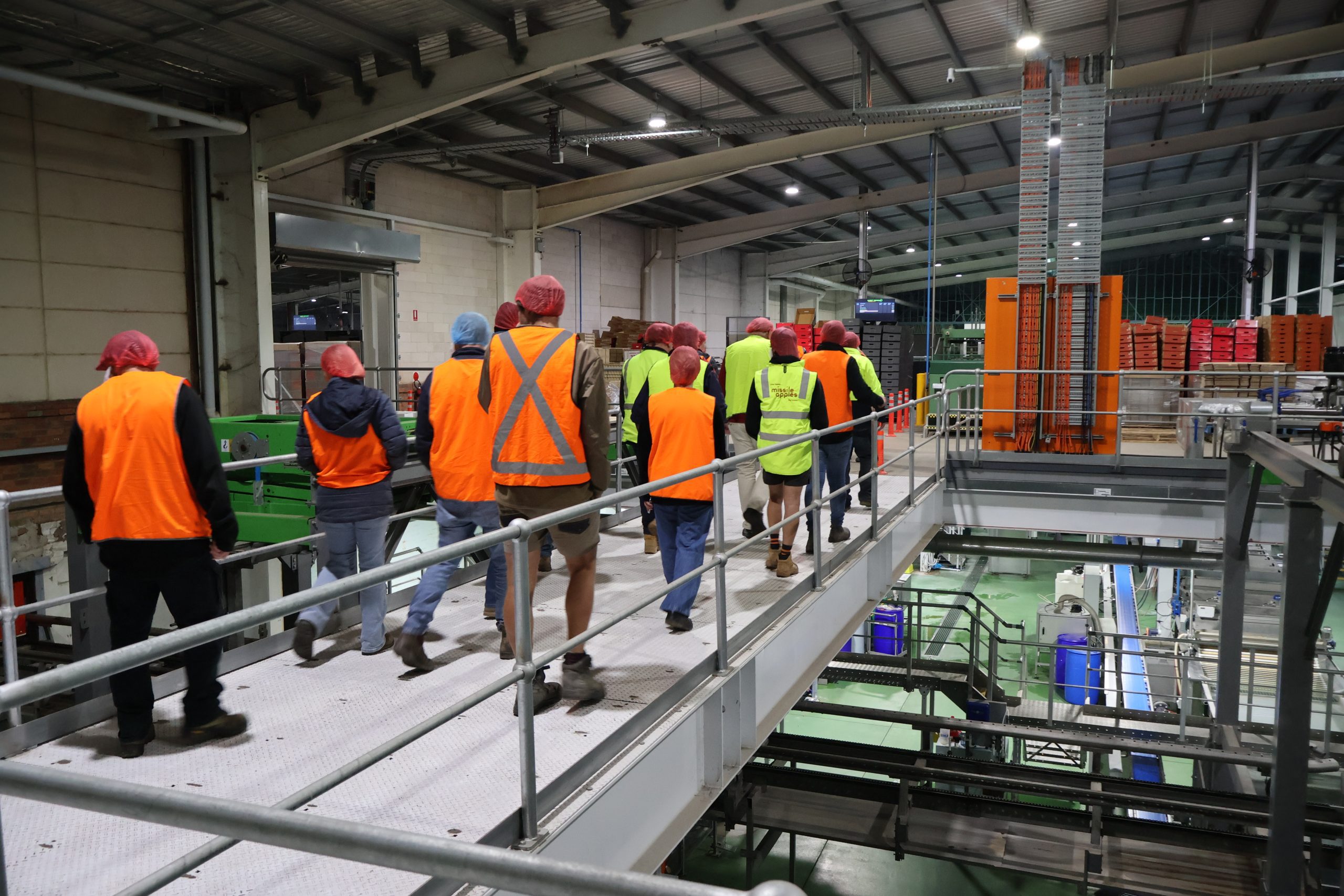
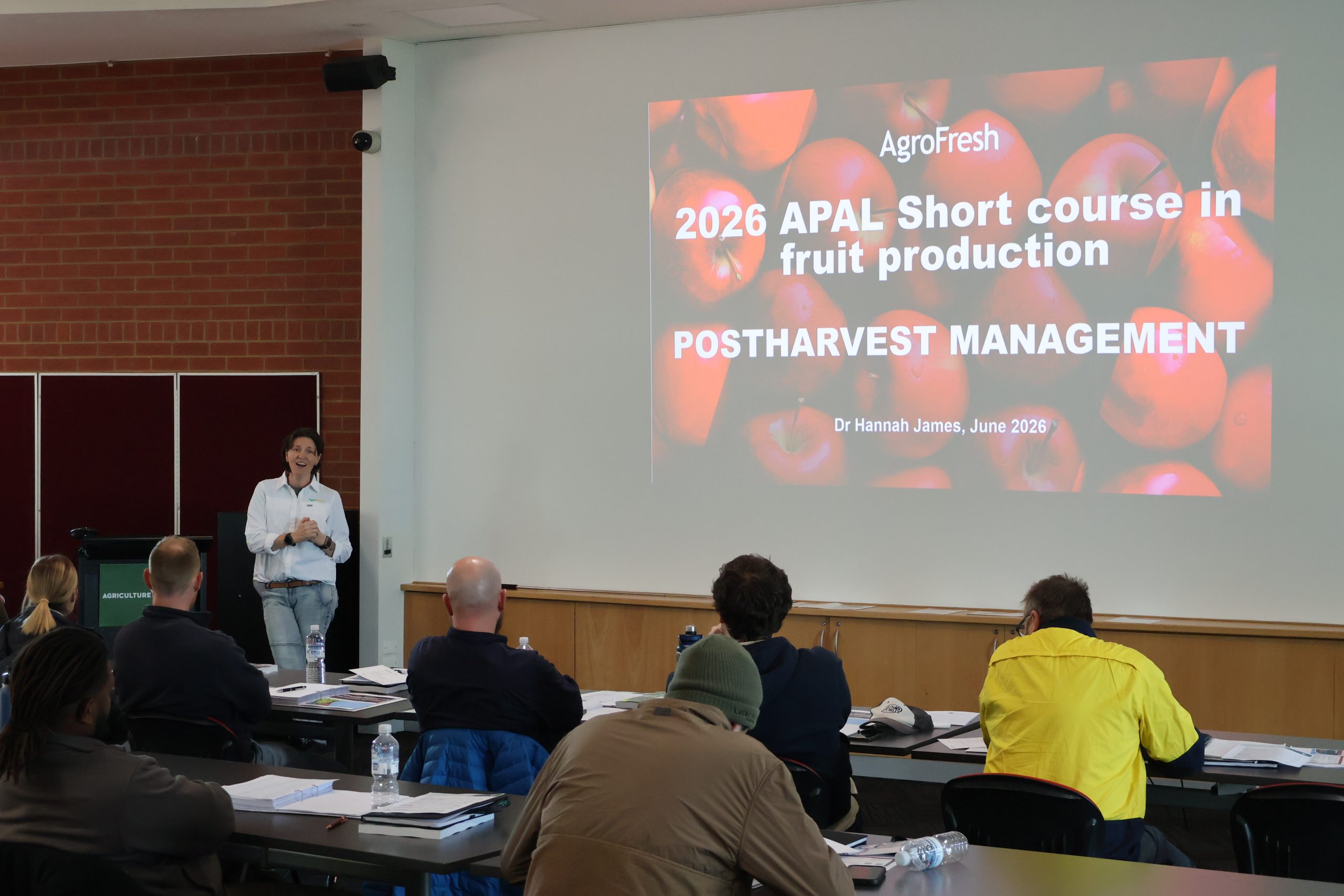
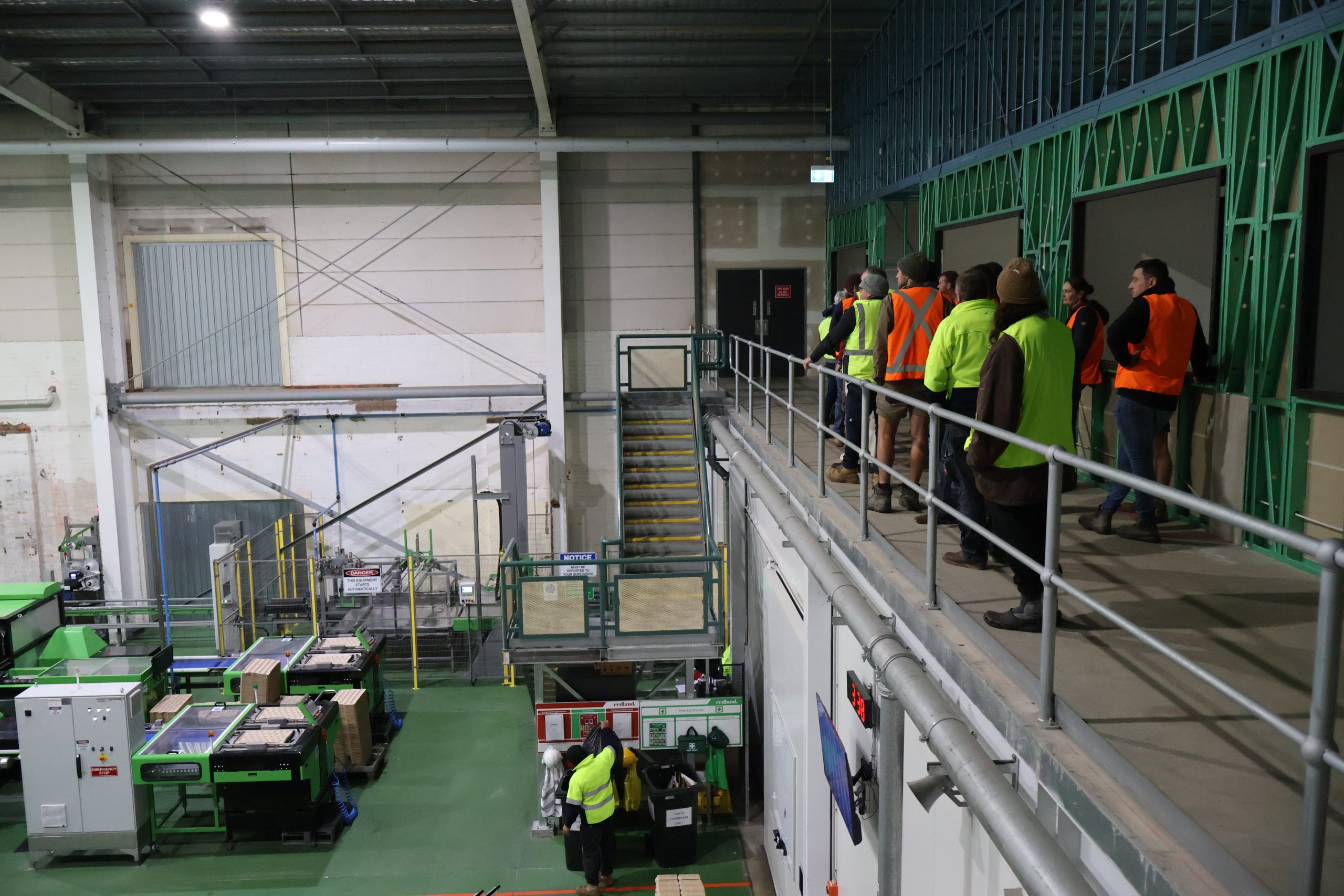
Postharvest management formed an important component of the course, with Hannah James (AgroFresh) presenting on fruit quality, maturity assessment and postharvest disease management. Participants also gained valuable insights into commercial storage systems during a visit to Redland Fruit, where Brent Reeve shared practical perspectives on irrigation management at the orchard and and Bill Parker showcased storage operations at the packhouse.
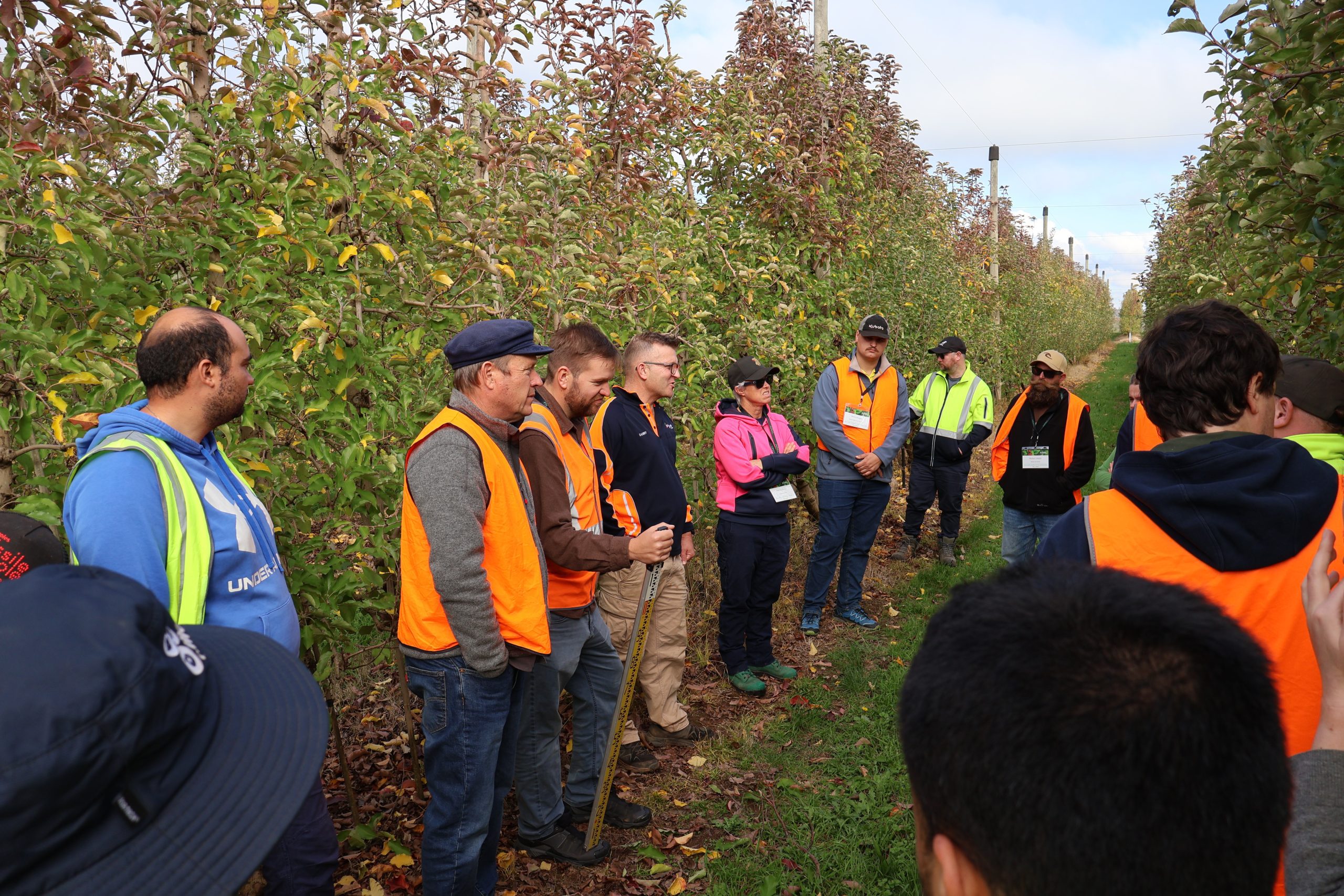
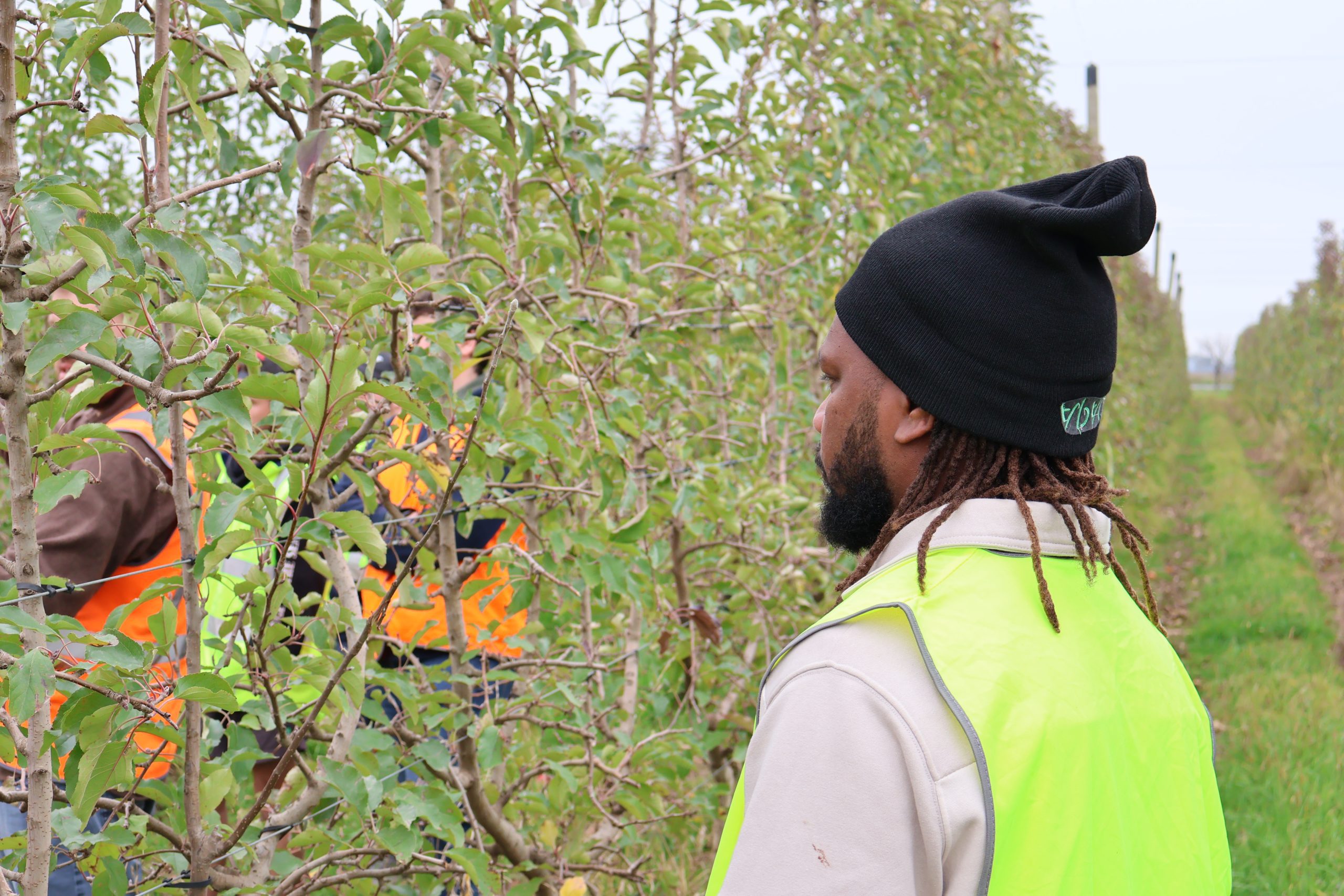
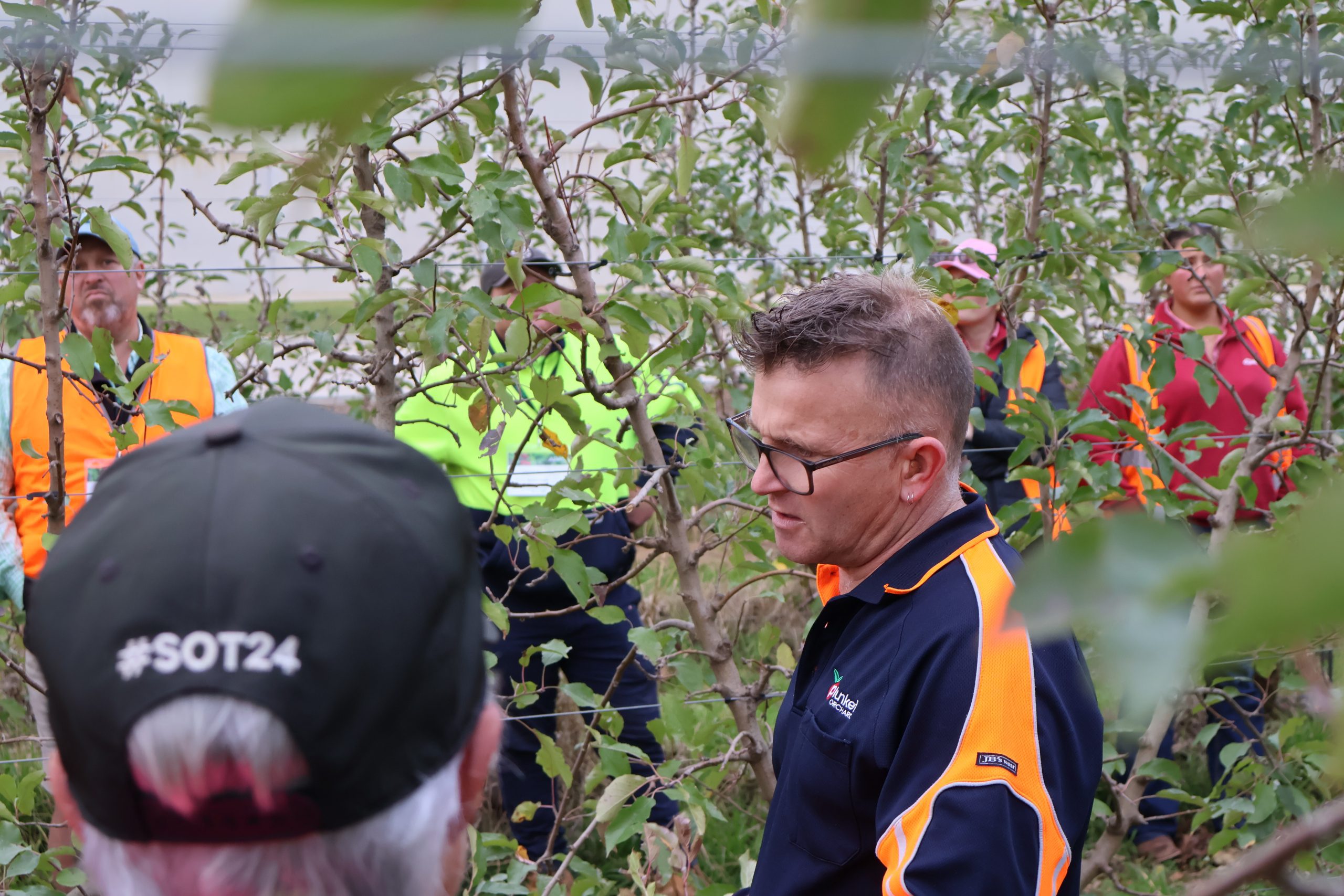
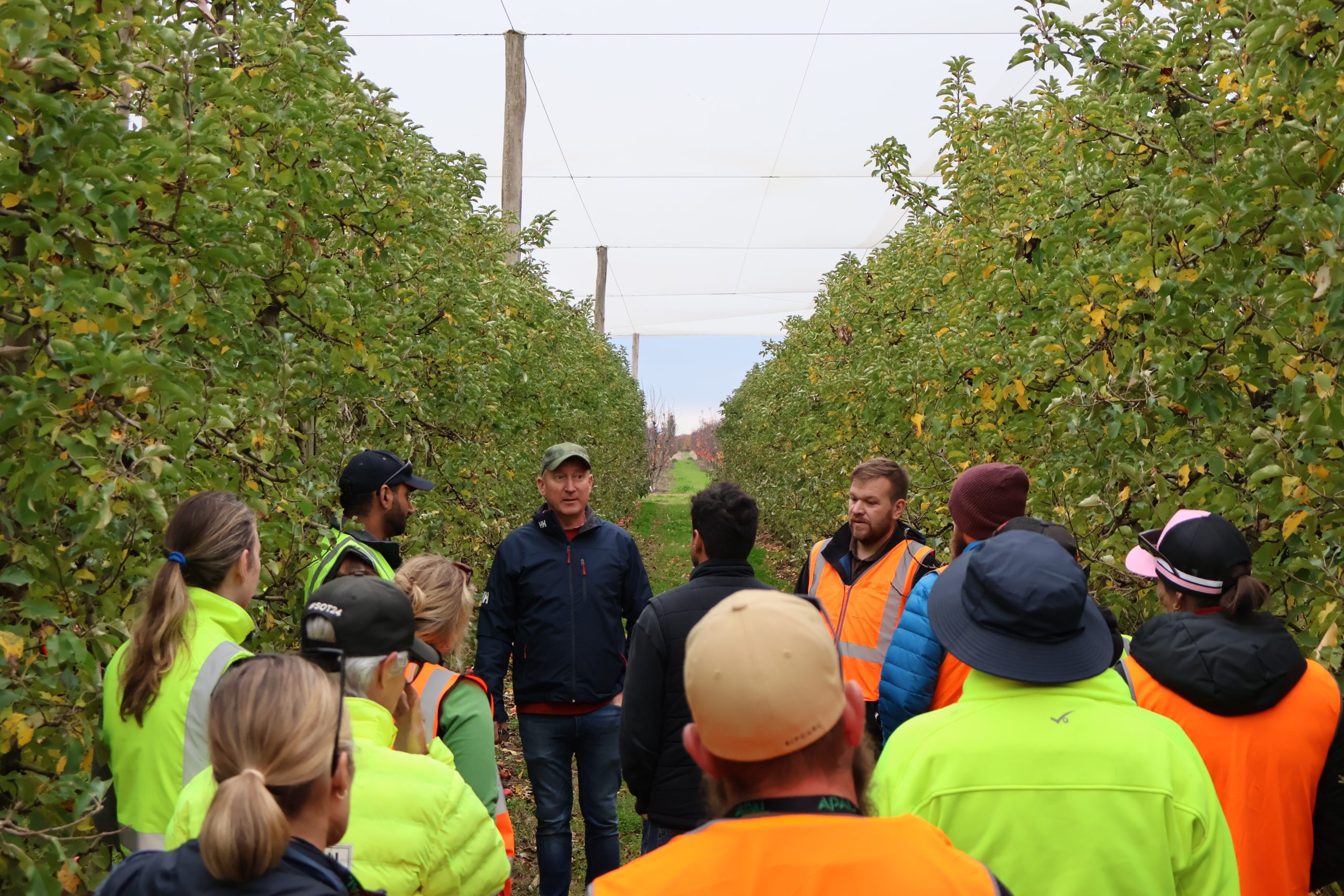
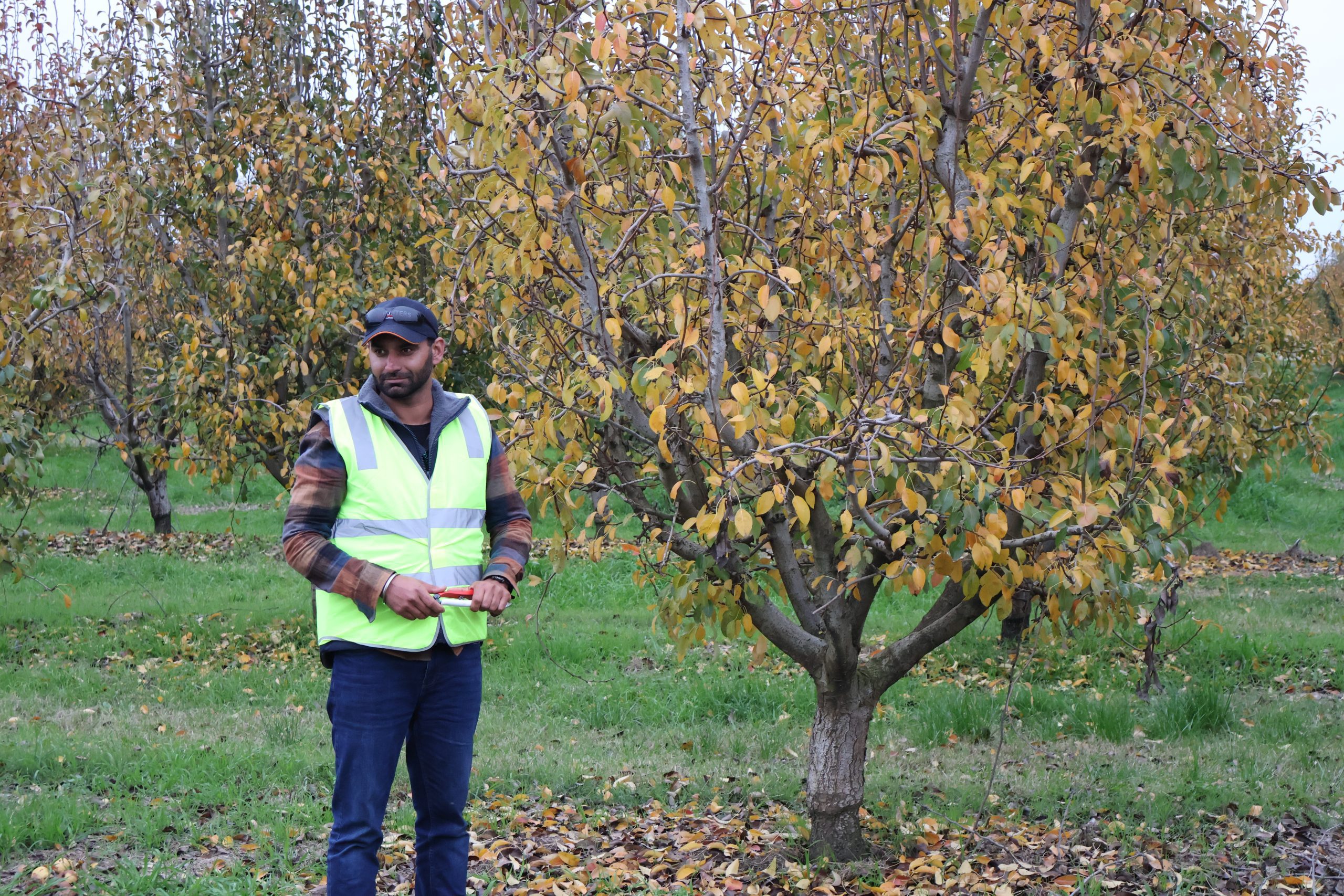
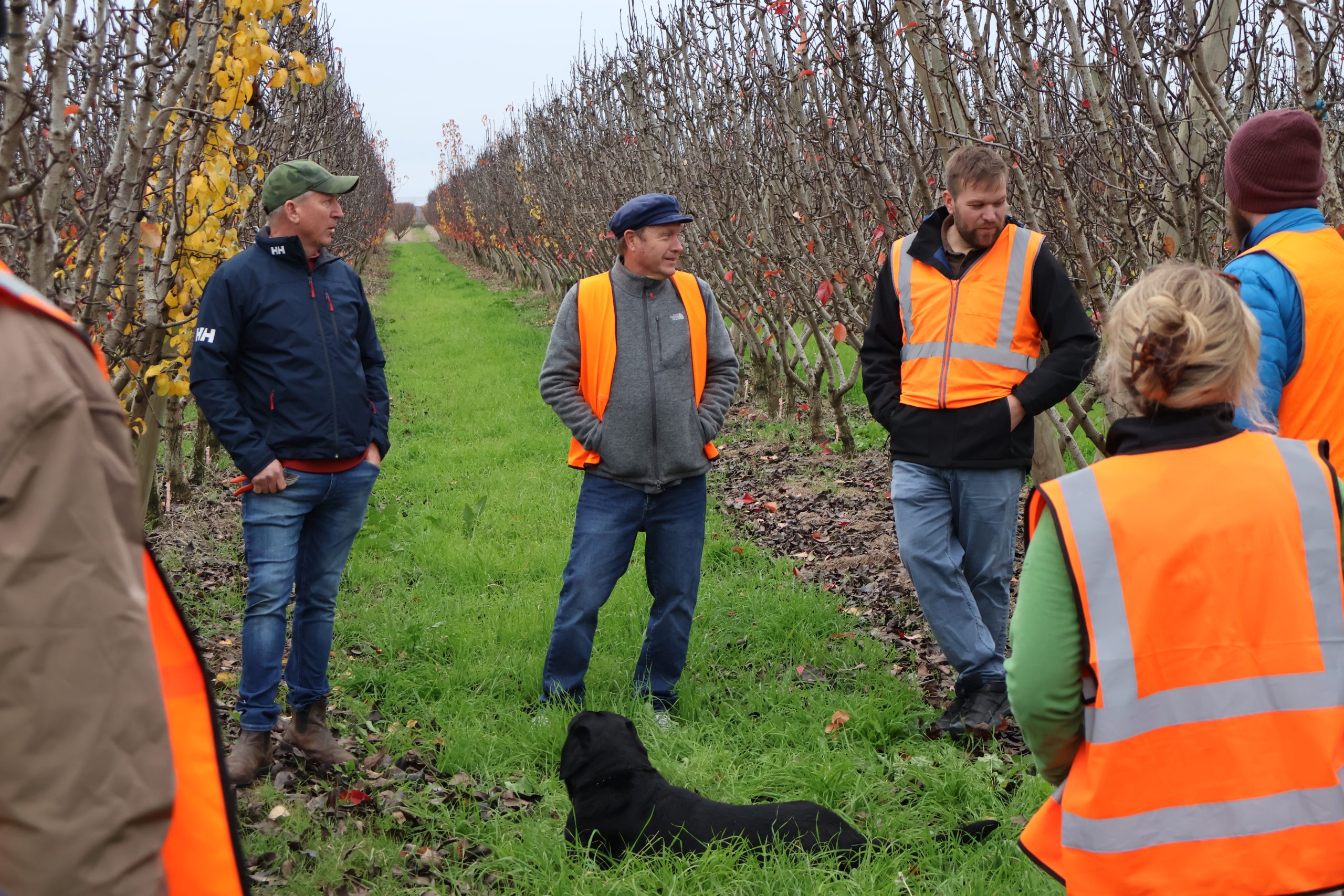
The course combined classroom-based learning with field visits and practical demonstrations, including sessions at Tatura SmartFarm and commercial orchards in the Goulburn Valley. Visits to Lenne’s Orchard and Plunkett Orchards provided participants with the opportunity to observe pruning systems and orchard management practices in a commercial setting, helping connect theory with practical application.
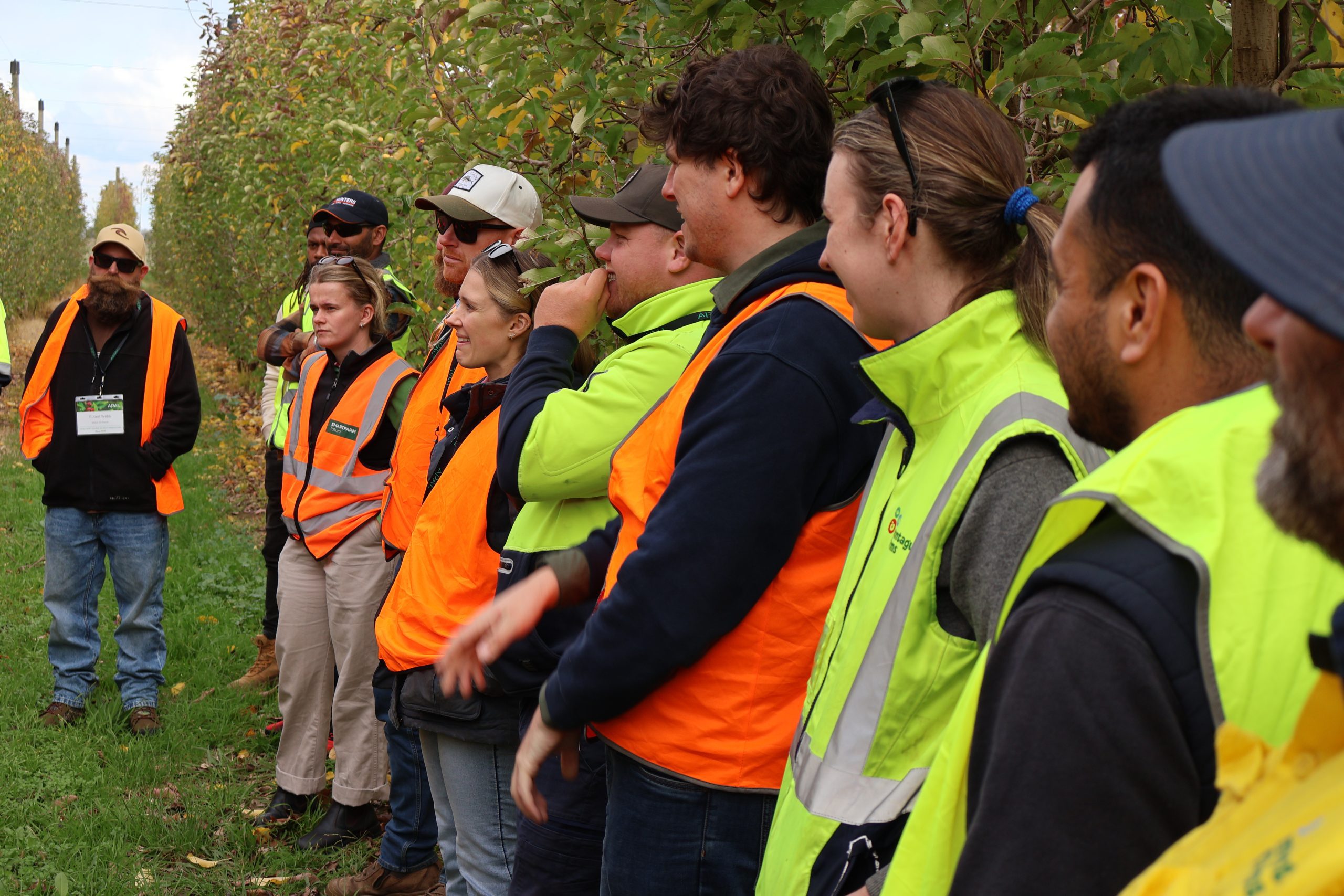
While technical capability development was central to the program, networking and relationship building were equally important outcomes. Participants travelled from growing regions across Australia, creating opportunities to share experiences, discuss common challenges and build relationships with peers at similar stages of their careers.
The connections extended beyond the formal training program. During the weekend break, a group of interstate and regional participants travelled to Melbourne to attend the AFL match between Melbourne and Essendon at the MCG, followed by a group dinner in Shepparton that provided further opportunities to strengthen friendships and industry networks in a more informal setting.
APAL Industry Development Manager Nic Finger said the course continued to demonstrate the value of bringing emerging industry leaders together in a collaborative learning environment.
“The technical content delivered throughout the week was outstanding, but what really stood out was the level of engagement from participants and their willingness to learn from one another,” Nic said.
“We had people from different regions, businesses and backgrounds sharing ideas, asking questions and building connections that will continue well beyond the course.”
“One of the most rewarding aspects of the program is seeing participants develop relationships with other young professionals who are passionate about the future of the industry. Those networks become incredibly valuable as careers progress and new challenges emerge.”
“The future of our industry relies on capable people stepping into leadership roles, and programs like this help build both the technical confidence and professional connections needed to support that journey.”
The Short Course in Fruit Production was first piloted in 2024 and has been co-designed with younger industry members to ensure the content remains practical, relevant and aligned with the needs of the next generation of industry leaders.
APAL extends its thanks to Agriculture Victoria for hosting the program at the Tatura SmartFarm. The facility provided an outstanding environment for learning, allowing participants to move seamlessly between classroom sessions and practical orchard-based discussions throughout the week.
The program was also supported by Agriculture Victoria’s Farm Business Resilience (FBR) Program, which helped make the course more accessible to participants and will continue to support their development beyond the training week. Through the partnership, participants will take part in a follow-up workshop later in the year, providing an opportunity to continue building capability alongside their peers. The FBR Program is jointly funded through the Australian Government’s Future Drought Fund and the Victorian Government’s Sustainability Fund. More information about the online farm business program and the Future Drought Fund can be found on the Agriculture Victoria webpage Farm Business Resilience Program.
APAL also thanks the many presenters who generously shared their expertise, experience and insights with participants. The quality of the program reflects the willingness of industry professionals, researchers and advisors to invest in the next generation of apple and pear industry leaders.
Appreciation is also extended to the orchard and facility hosts who welcomed participants onto their businesses and provided valuable real-world perspectives on orchard and postharvest management.
APAL thanks all 25 participants for their enthusiasm, engagement and contribution to the program. The questions, discussions and willingness to share experiences created a positive learning environment throughout the week and reinforced the value of bringing emerging industry leaders together from across Australia’s apple and pear growing regions.
As participants return to their businesses and growing regions, APAL looks forward to seeing how they apply the knowledge and connections gained throughout the week. We also hope to welcome many of them back for the Leadership Course in 2027, continuing their development as future leaders of the Australian apple and pear industry and strengthening the networks that will support them throughout their careers!
Acknowledgement
The Short Course in Fruit Production is delivered by APAL as part of the Building capability program for emerging leaders (AP25001). This project has been funded by Hort Innovation, using the Hort Innovation apple and pear research and development levy and contributions from the Australian Government. Hort Innovation is the grower-owned, not-for-profit research and development corporation for Australian horticulture.