Economics of block removal for redevelopment
Following the end of harvest, it’s a good time to think about big picture business progression while the results of the last season are fresh in your mind.
A significant part of running an orchard business is redevelopment, to ensure your orchard is at the forefront of innovation and profitability. Keeping up with new science in regard to new varieties and new training systems is vital for orchard profitability in an industry with such high costs of production.
Redevelopment is a decision that is best made early on to keep the process cost effective and to do what’s best physiologically for the trees. Many key performance indicators come to fruition at harvest, allowing us to make good, informed decisions on any changes that need to be made to the direction of the business. Before you start to spend money on the 2026 season, work out what went to plan and what didn’t this season.
Redevelopment requires long-term decision-making; most of your redevelopment decisions will probably only be able to happen in the winter of 2026, not this year. Long-term planning is required to set up the paddock properly with enough time to order and source quality tree material.
But what are the economics of block removal and what decision-making process do you need to go through to prioritise blocks for redevelopment?
Identifying the problem
Like most things, the once successful older techniques and varieties sometimes struggle to keep up with rising costs and the performance of newer systems and varieties. In an environment with high costs, orchard businesses need to be doing everything they can to maximise production, price and packout. Older blocks of old varieties can often deliver on one or two of these three P’s, but with the state of the industry now, you need all three optimised to be successful. Thus, the need for redevelopment to futureproof your business is critical.
We constantly talk about how you can’t manage what you don’t measure; redevelopment is a prime example of a big decision needing accurate data to inform you of whether to redevelop a block or not.
An example of the key metrics needed:
- Production (t/ha): the gross production of a block and an understanding of the limiting factors. If production is low, identify whether it’s fixable or not (for example, stunted trees or missing trees).
- Packout (%): the amount of higher value marketable fruit.
- Price ($/kg): a combination of market performance, variety, fruit size and colour. Assessing whether the variety is being optimised for price in the market and whether there is an upside to a poor performing variety/block.
- Variability.
- Block setup (to graft or not to graft).
We need to be confident in our cost of production so we can develop a threshold of success. The threshold of success can be defined by the level of production, packout and price a block needs to achieve to break even. By accurately developing this matrix you will have all the data and information needed to make the decision to redevelop or not.
To do this effectively, each block within the orchard needs to be considered as an enterprise, with its own costs and returns. There will be differences in costs between blocks, such as ease of thinning or extra spray costs to fight higher pest or disease pressures, all impacting the block’s bottom line. You’ll then spread the orchard-level costs, such as power, across all blocks and begin to benchmark. You’ll soon realise that some blocks are performing far better than others and are actually carrying a lot of the overhead costs that would otherwise make poor performing blocks worse.
How to make the decision
Deciding which block to redevelop needs to be based on the relevant metrics described above. For some of us, we can’t underestimate how much our gut feel influences our decisions. It’s important to focus on metrics over gut feel or personal favouritism; redevelopment is a significant financial change, so being analytical rather than emotional about the decision is important.
After collecting the relevant information, you can start to analyse each block separately and decide on its future.
Benchmarking each block will allow you to assess the best and worst performing blocks on the orchard. When benchmarking, it is important to compare performance year on year as well as a longer-term average. This is important because in one year you may have had a one-off event, such as a hail storm, causing poor performance, whereas another block may have had three years of poor returns – this is a fundamental problem which will contribute to the redevelopment decision.
After benchmarking each block within the orchard, certain blocks will need to be prioritised and a decision made at a whole orchard business level. In a poor scenario you may find 40 per cent of blocks are unprofitable; however, removing all 40 per cent would be a negative decision because you would be influencing cashflow, reducing labour demand significantly and limiting the income needed for general overheads.
One of the key factors of success in an apple or pear business is constantly keeping ahead of redevelopment to avoid the 40 per cent scenario above. A good level of redevelopment for pome fruit is generally 5 per cent per year.
Blocks that are poor performers will likely have a limiting factor, which may be fundamental, market driven or climatic. What’s important in this redevelopment decision is to identify the limiting factor to assess whether its influence is short term or long term.
These are some examples of limiting factors and how they might influence your redevelopment decisions:
- Fundamental: a block that is stunted in growth, only achieving 30t/ha, caused by poor drainage. The block has struggled to fill canopy and therefore the likelihood of it becoming a good performer is very low. The limiting factor here is drainage, not something that can be remedied quickly. This block will be high on the redevelopment priority.
- Market driven: this block may be an excellent performer in terms of yield and packout but the market is not willing to pay enough for the variety to make it profitable. Market fluctuations can occur so there may be a future upside; however, open lines of communication to the marketers are essential when deciding to push the block or not. When you have a block with great rootstocks and planting densities, grafting becomes an attractive way to redevelop based on this genetics-related limiting factor.
- Climatic: limiting factors based on the climate are often short lived or influence the block for only one season, for example a storm. Unless you are in a marginal growing region, this should not be a reason for redevelopment, provided there is no significant damage to the trees and structure.
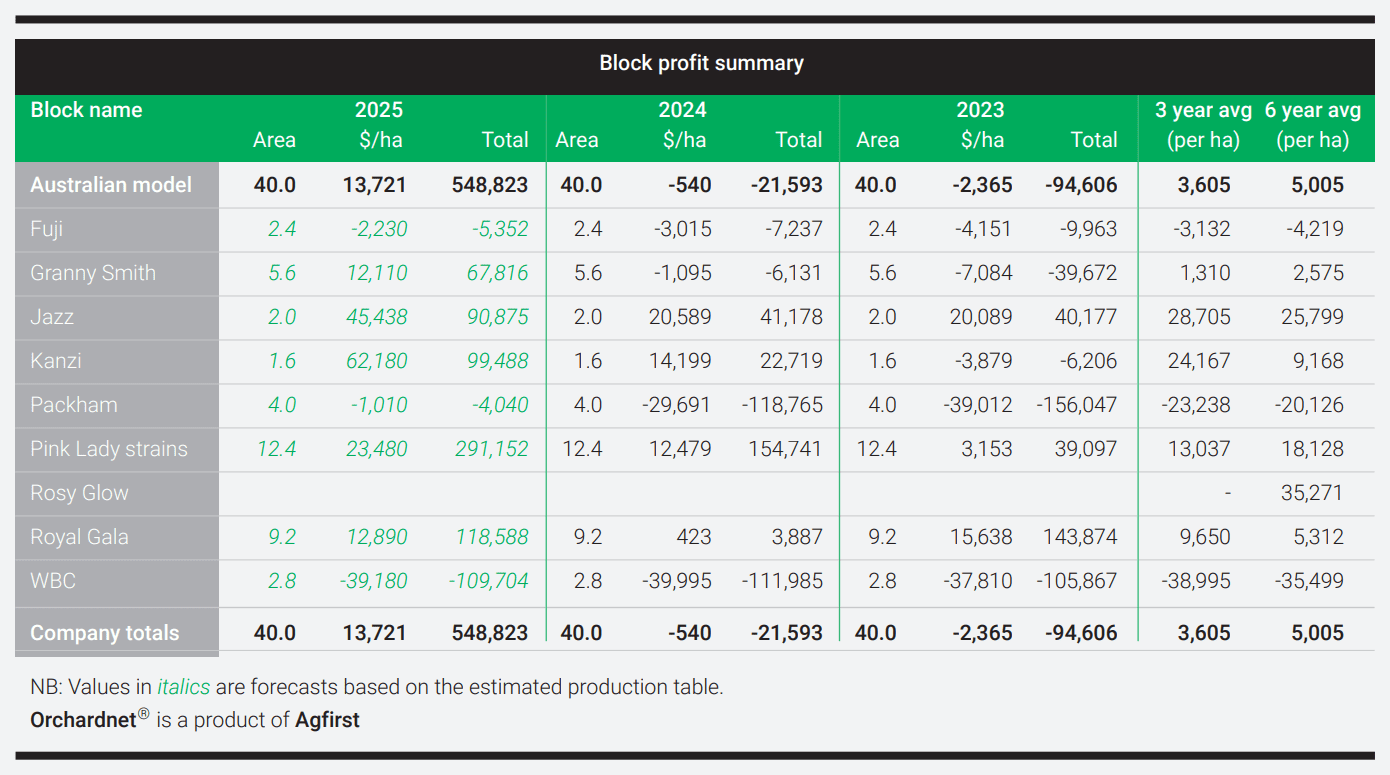
Figure 1: Block profitability summary of an example pome fruit orchard.
Figure 1 shows an example orchard’s block profitability. The data shows the profitability by year for the past two years as well as this year’s forecast. From the data you can benchmark the blocks and start to make a plan for the underperformers.
A plan for this example orchard might be as follows:
- Remove the Williams Bon Chrétien (WBC) pears. This variety is not performing well and hasn’t been for the past two years or more.
- Consider removing a portion of the Packham pears. Historical data suggests this block of Packham is an extremely poor performer; however, the 2025 forecast looks to have an upside. Decide on the limiting factor, with an option being to keep the best of the Packham trees and remove the worst area.
- Fuji is also making a loss; however, at this level (-$2,230/ha) the block is still contributing to overheads and therefore there is justification to keep the block.
Being able to judge a block’s likelihood of future success is like predicting the future, but the more data and touchpoints within the supply chain you have, the more confident you can be with the prediction.
Cost of keeping an unprofitable block in production
The economics of keeping an unprofitable block needs to be fully realised as it significantly influences the whole orchard business’s bottom line.
As you know through your own business analysis and the Orchard Business Analysis (OBA),1 it costs money to make money, significant money. When growing fruit you are always looking for a return. There will be some blocks that make more than others and you may have more reasons to keep a block other than financial (for example, maintaining workflow for your Pacific Australia Labour Mobility scheme workers) but you should always be well aware of the blocks that are unprofitable and have a plan to do something about them.
Removing unprofitable blocks can help shift cash so you can better farm the remaining blocks. By removing an unprofitable block that may be losing $10,000/ha, you are able to shift that cash to aid other parts of the orchard. It also frees up water and labour resources at particular times of the year, especially during thinning and harvest.
Orcharding now costs $1.81/gross kg to produce apples (as per the OBA). The average Class 1 return is $2.39/kg. You can quickly start to see how when a block is not performing it becomes unprofitable.
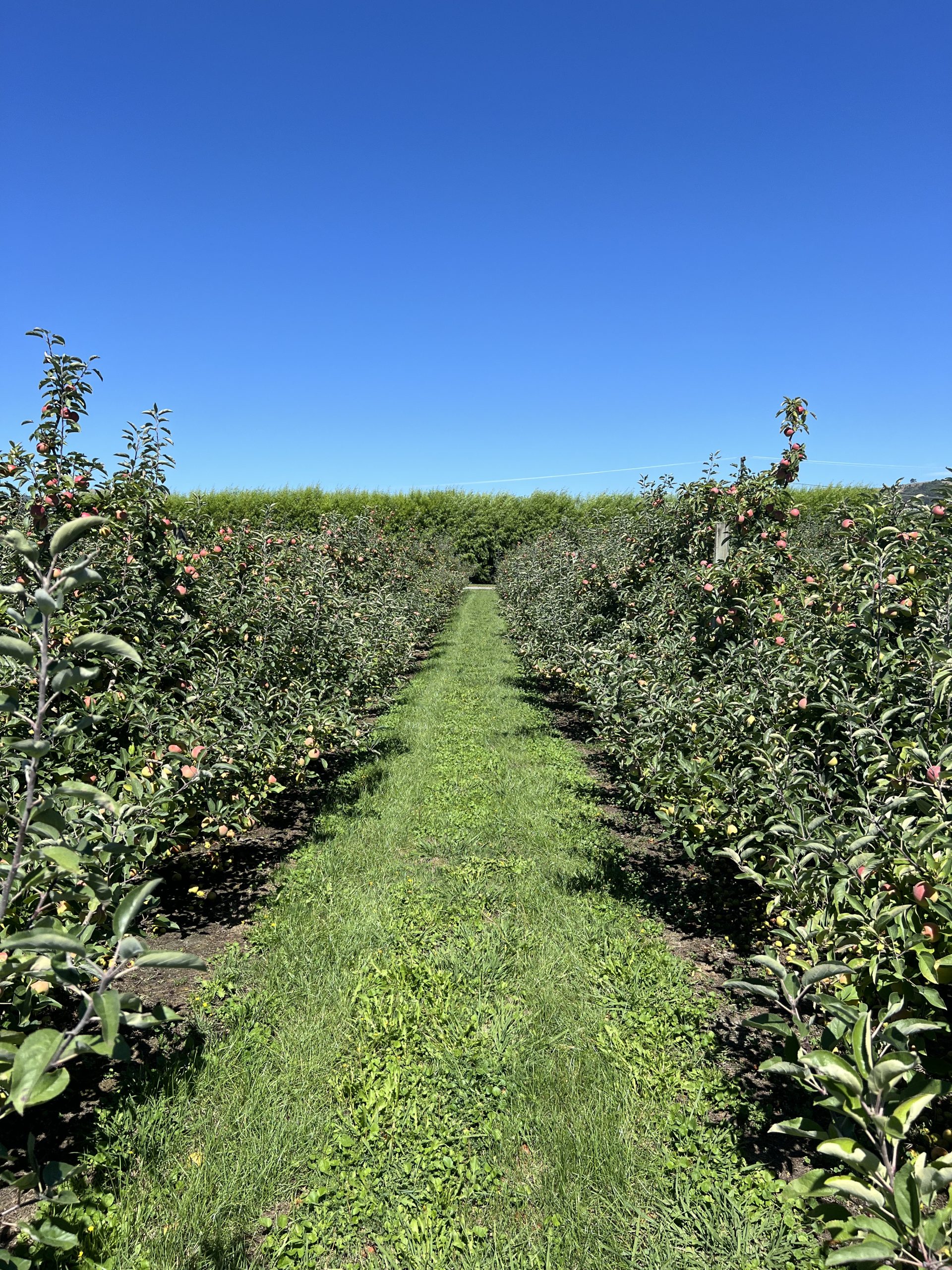
Figure 2: Example of a block with poor performance due to stunted growth and poor yields.
The cost of block removal
The cost of removing a block is not insignificant and is often made up of parts people forget about or don’t realise are included. In most budgeting decisions the cost of block removal is included in any long-term budgeting modelling. These are some of the actions required for block removal:
- Tree pulling – often requiring a third party contractor, the cost of tree removal includes the pulling of trees and the separation of infrastructure (posts, wires, irrigation etc).
- Burning/mulching – once the trees have been pulled and placed into piles, burning or mulching occurs. To ensure safety and efficiency, this is also often done through a third party contractor.
- Land preparation – in preparation for the next crop of trees, the soil needs to be cultivated to help level and prepare the soil texture ready for planting. Any drainage additions are best done at this stage too.
- Mustard growth – planting a cover crop such as mustard is extremely beneficial as it helps to improve soil organic matter, reduce the influence of apple replant disease and supress weeds.
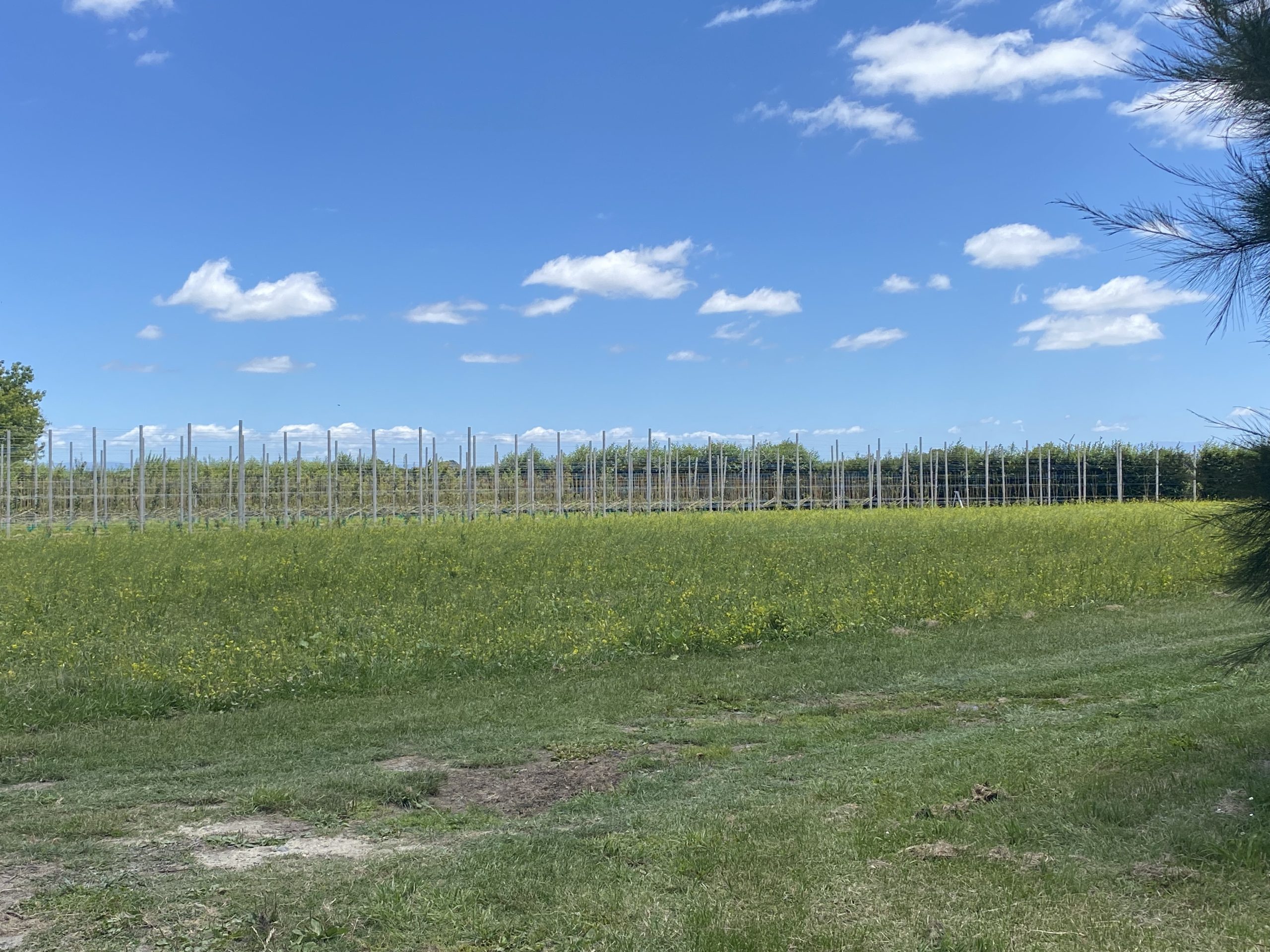
Figure 3: A block planted with mustard awaiting a decision on what variety and system is to be planted in winter 2025.
Although the cost of removing a block is not insignificant, it must be seen in perspective. If we take the example from above of a block that is losing $10,000/ha, the opportunity cost/gain of removing that block is the loss minus the cost of removal. Thus, if you were to pull the block and leave it in bare land for a year, you have that amount of money to redirect to other parts of the business, rather than losing another $10,000/ha by growing an unprofitable block.
The cost of planting
Over the years many methods of budgeting have been created to estimate the cost of a new planting. All methods are slightly different, accounting for changes in training system, variety, technologies, rootstock and so on. The trends show that the cost of redeveloping is no exception to the inflation pressures we see with most of our business operation. Thus, we need to be aware of the cost benefit of a new development and ensure we are planting the right genetics on the system where we are confident the management team can execute to a high level.
The cost of replanting a block from a greenfield site is high. Factors to consider when replanting include:
- drainage upgrades and maintenance
- fumigation
- trees
- tree planting
- irrigation
- trellis
- grassing down
- reflective cloth
- new technology (platforms etc)
- hail netting.
All these factors come to a total of approximately $210,000/ha + operating costs + royalties for a standard 3.5m x 1.2m tall spindle planting density.
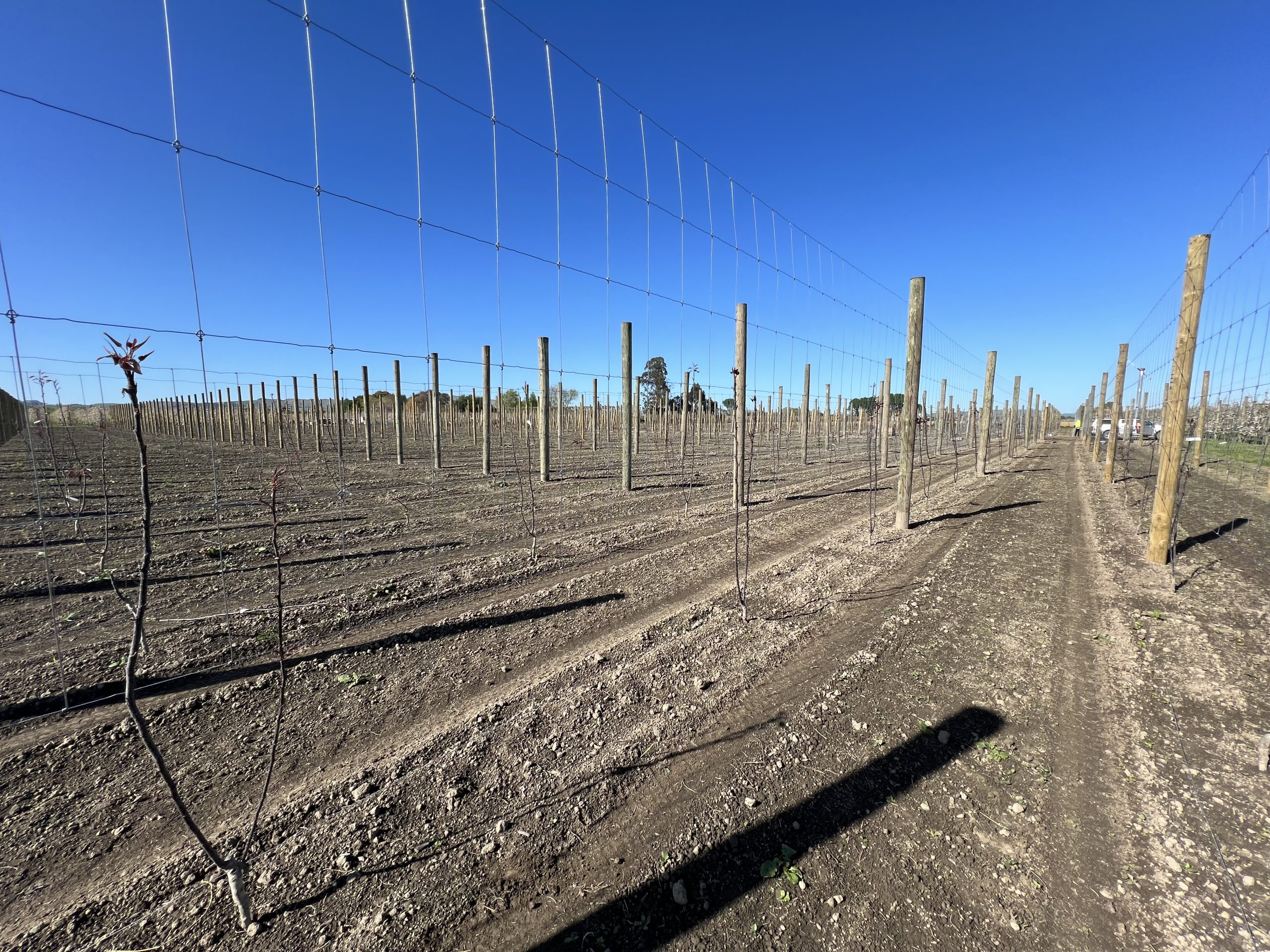
Figure 4: A newly planted block using new, innovative varieties and training systems.
With this cost being so high, it is vital to invest in the right genetics in terms of both rootstock and scion variety. By replanting good rootstocks at good spacing you are enabling conversion adaptability – the ability to change variety using grafting strategies rather than replanting completely.
Grafting ticks many boxes for several reasons:
- Cost effective – there is no need for fumigation, ground preparation, new trees or modified irrigation.
- Water – grafted trees require less water in the first two seasons compared to a new tree because they utilise the highly established rootzone.
- Production – rapid canopy establishment and early production is always the goal of a new block, and with grafting this could be achieved in a shorter period.
To be successful in fruit production you need to grow the right varieties in the right places as efficiently as possible. There will always be macro changes to our industry that create peaks and troughs in our profitability. We need to continue to look for opportunities and innovation, and change one small step at a time. Those who don’t may find themselves having to make large step changes to the business that often become uneconomical and difficult to cashflow.
Being able to benchmark and analyse the profitability at a block level and at an orchard level is critical in assisting decision-making to better direct the business’s economic position. Again, you can’t manage what you don’t measure, so ensure this harvest season you are capturing metrics such as bin numbers, packouts and fruit size, so you can make well-informed decisions when the redevelopment discussions start.
This article was first published in the Autumn 2025 edition of AFG.