Overcoming the effects of spring frost
23 June 2014 | Steve Spark, AgFirst | Australian Fruitgrower article
Steve Spark summarises practical ways to reduce spring-frost risk and recover orchard performance after a damaging event. The article draws on Future Orchards® Focus Orchard work, particularly experiences in Batlow and Orange, where severe spring frosts caused major crop losses.
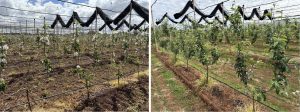
Before a frost, orchard-floor management matters. Keeping grass short and maintaining a clean, weed-free herbicide strip helps bare soil absorb solar heat during the day and release it at night. Water can also provide protection: overhead sprinklers can protect trees during more severe frosts when sufficient water is available, while undertree sprinklers provide a smaller temperature lift.
After severe frost, the management priority shifts to preventing excessive vigour and a biennial-bearing cycle. The article recommends protecting the remaining crop, avoiding unnecessary thinning, and using tools such as root pruning, decisive winter pruning and timely chemical thinning in the following on-year. Nutrition also needs attention because large crops can deplete reserves and compound biennial bearing.
The article emphasises that no single frost-management tactic is enough. Orchard-floor preparation, frost protection, crop-load management, pruning and vigour control need to work together before and after the event.