Managing pear scab
2 November 2022 | Marcel Veens | Future Orchards® online discussion
Pear scab, caused by Venturia pirina, can infect leaves, fruit and shoots and can continue creating new infection cycles through the season. Marcel Veens explains why the most effective strategy is to reduce primary infection early rather than relying on calendar spraying after symptoms appear.
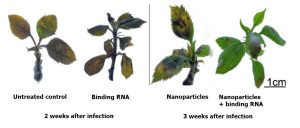
The discussion emphasises “protectant, protectant, protectant” and the use of weather-based forecasting tools to identify infection periods. Wetness duration is important, and symptoms may not become visible until two to three weeks after infection, so decisions need to be based on risk rather than what can already be seen.
Late infections are important because fruit infected near harvest may look clean at picking but develop summer-spot symptoms in storage. Appropriate pre-harvest protection therefore remains part of the disease program.
After harvest, orchard hygiene helps reduce carry-over inoculum. Measures discussed include removing pruned material, mulching leaves and using approved approaches that accelerate leaf breakdown.
Veens also explains that the fungus overwinters in infected leaves and can continue producing secondary infections after the primary ascospore period, which is why sanitation and season-long attention both matter.