Turning waste into value
End Food Waste Australia is working on practical solutions for surplus and value recovery for downgraded produce.
A new program aims to help growers reduce on-farm losses and maximise value in every harvest – and you can get involved!
Australian apple and pear growers reported an average crop loss of 23 per cent per farm in 2023–24.¹ Across Australia, a staggering one million tonnes of all fresh produce never makes it to market2 – an estimated value loss of up to $2.5 billion a year.3
A new national research program, led by End Food Waste Australia and Hort Innovation, is looking to change this. The Reducing on-farm food waste: unlocking value for growers’ profitability and sustainability (HN24001) program is working with growers and partners across the supply chain to target and measure where losses are happening, test practical ways to lift utilisation, and find commercially viable pathways for surplus and out-of-spec produce.
In consultation with growers and industry, the research program aims to:
- close the gap between consumer preferences and tolerances and product specifications
- demonstrate commercially viable options for value-adding to surplus and out-of-spec produce
- develop farm-ready training and resources to unlock more value.
But to do this in a way that ensures real impacts for the horticulture industry in Australia, grower involvement and input are fundamental. The program launched in March this year and is now in the grower involvement phase, with on-farm trials, consultation and collaboration opportunities underway.
This is an opportunity to create the necessary change that no one grower can do alone. To do this, End Food Waste Australia needs help from people working in the industry.
Get involved: turning waste into value
Apple and pear growers can get involved in several ways. Growers are invited to join on-farm trials, such as on-farm food waste measurement trials and value-added compost trials. There are also opportunities to participate in surveys and interviews, share knowledge and give feedback on the findings. End Food Waste Australia wants this project to have impact, not just more reports.
Growers have the opportunity to participate as case studies, sharing their own strategies, challenges and commercial lessons to help create change for the wider industry. To support this, End Food Waste Australia is also consulting with the various potential value-add end markets, such as organics recyclers (mainly composters) and poultry, pig and cattle farms, to determine needs and the usability of products developed from surplus produce and tested in trials.
A significant piece of consultation will also be with consumers around their preferences and tolerances for produce specifications. There will be surveys and feedback opportunities for growers along the way.
Alongside this grower involvement, the program is overseen by a program advisory group consisting of Australian growers and industry partners.
Advice on getting started: what gets measured, gets managed
Experience from past research and feedback from growers is unequivocal – the best way to get started improving your bottom line through reducing your waste is to begin with measurement. You probably already have some data about what is graded out in the shed, but try and dig a little deeper into what caused the downgrades and what is being left in the orchard.
It doesn’t have to be complex – start tracking quantities of what isn’t getting harvested, what’s not getting sold, what’s getting downgraded and why. This builds a firmer picture of what opportunities there are to make gains. Just through measurement growers, that End Food Waste Australia has worked with, have identified improvements to agronomic practices, specific training needs of harvest staff and alternative markets and products.
A limited number of subsidised on-farm trials are available for growers to work with End Food Waste Australia and researchers. The trials measure what’s left in the field after harvest and quantify edible, marketable and inedible loss, and growers then receive an analysis report.
Closing the gap between consumer preferences and product specifications
A key element of this new project is to gain a deeper understanding of consumer preferences and tolerances regarding fresh produce specifications. This is a current knowledge gap and this research will provide insights to inform recommendations that help growers sell more produce without undermining quality or customer satisfaction, or shifting waste elsewhere in the supply chain.
To ensure practical outcomes, the project includes in-depth consultation with growers and industry on their experiences and exploring options to get more high-quality produce to market. We encourage you to register your interest to contribute to future fresh produce specs opportunities.
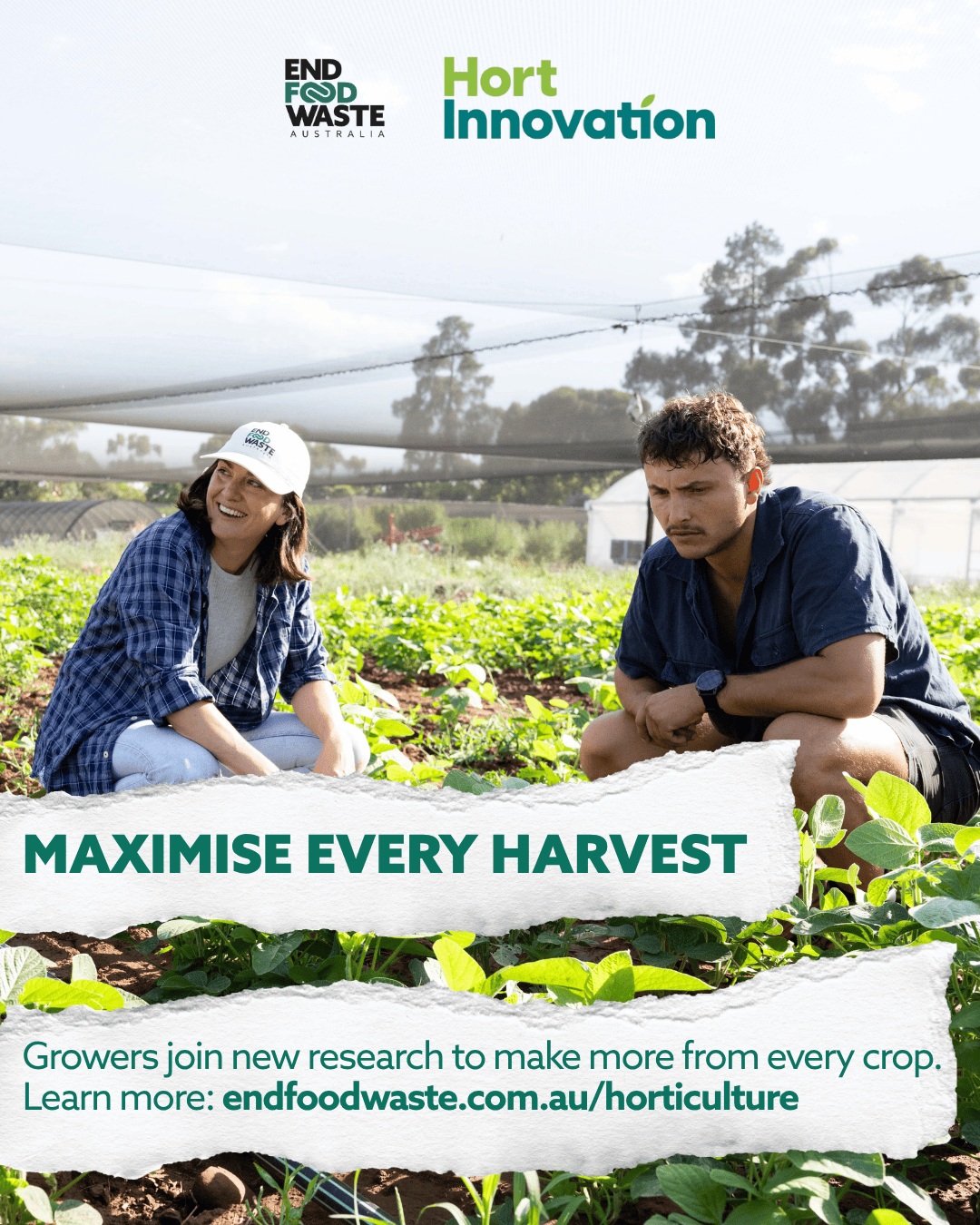
Apple and pear growers are invited to participate in the new program by taking part in on-farm trials, workshops and advisory groups.
Case study: food waste reduction in action
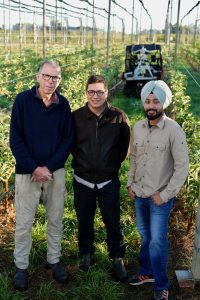
Montague Farms is a leading fresh produce grower in Australia, a trailblazer in food waste reduction and dedicated to sustainable farming practices and waste reduction.
In a recent case study, Montague Farms shared how its business prioritises avoiding waste through improved infrastructure, such as nets to protect fruit from pests and trellis systems to prevent damage from wind. These measures ensure that more whole fruits suitable for retail are harvested, reducing the amount of produce that goes to waste. While most of Montague Farms’ apples and pears are sold to retailers, a portion is also sold to processors for use in restaurant or hospital meals, and for juicing. This efficient distribution minimises waste and leaves only a small amount of apples and pears unsold.
Montague Farms sends the majority of this remaining produce to manufacturers for juicing, as well as engaging in small-scale upcycling by creating value-added products like apple paste from surplus apples. These products are sold on-site at its retail store, allowing the farm to trial new ideas and gauge consumer interest.
In addition to processing, Montague Farms has partnered with food rescue organisations such as Foodbank and SecondBite to implement a container system for sorting surplus fruit, which is then collected by the organisations, reducing waste without significant additional costs to the farm. The business is also investigating a food dehydrating process (bio-digestion) to convert surplus fruit into energy, further demonstrating its commitment to sustainability.
However, Montague Farms acknowledges that, like other growers, scaling up these initiatives to create commercially successful upcycled products remains a challenge due to various barriers and uncertainties.
Read the full case study here: https://endfoodwaste.com.au/montague-farms-from-apples-to-pears-to-plums-a-lesson-in-transforming-surplus-fruit/
How to get involved
There are many solutions for food waste that exist – and many that require additional research, testing, overcoming of barriers, and supply chain collaboration. This new research program will work in consultation with growers and industry to identify and outline high-impact solutions and opportunities for change and collaboration to scale these benefits for more growers.
Growers and horticulture supply chain businesses can register their interest to take part in on-farm trials, workshops and advisory groups. Your participation will help shape the tools and training, and provide early access to practical resources as the program progresses.
Visit the program webpage to learn more and get involved: endfoodwaste.com.au/horticulture
Acknowledgements
The Reducing on-farm food waste: unlocking value for grower profitability and sustainability (HN24001) program is led by End Food Waste Australia and funded through Hort Innovation Frontiers with co-investment from the Queensland Department of Primary Industries, the South Australian Research and Development Institute (SARDI), the University of Queensland, and contributions from the Australian Government. The in-kind support of the project’s partners, researchers, growers and industry participants is also acknowledged.

This article was first published in the Winter 2026 edition of AFG.