
Sustaining a premium reputation
This article originally appeared in the Summer 2021 edition of AFG, available online here.
Sustainable Winegrowing NZ™ (SWNZ) is a highly successful industry-led eco-credential program, one of the first of its kind in the world for wine.
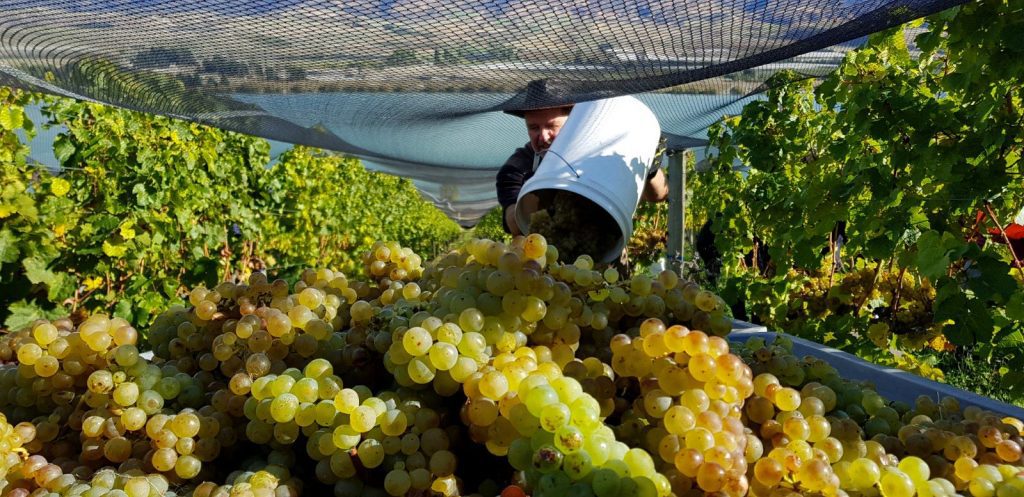
The successful eco credentials scheme was led by growers and now extends along the entire production chain. Image: SWNZ
It began in the vineyards in 1995, as the New Zealand winegrowing industry wanted to measure, assess, improve and communicate its practices to consumers. In 2002, this program extended to all other parts of the production chain.
It is a system of annual accreditation with independent on-site audits and annual submissions, including a spray diary. Despite the fact that it is voluntary for industry, as of 2021, 96 per cent of New Zealand’s vineyard producing area is certified by SWNZ.
Meagan Littlejohn, Program Manager of SWNZ, said that being industry-led is one of the great strengths of the program.
“At this point in time, we have a huge buy-in from industry,” Meagan said. “It’s a very open, collaborative industry, and they started early compared to other industries. Right now, other New Zealand food production industries that didn’t have these types of certification programs in place are having to create them to fit with government guidelines and directions, as well as consumer demands.
“Many growers have been in the program for many years. Every year we also have people who are brand new to viticulture, and they have an onboarding process and welcome pack. They are audited for certification within their first year, and then complete regular submissions to demonstrate their compliance in our ‘focus areas’ and maintain their credentials.”
The key to a robust system of sustainability credentials is the SWNZ goal of continuous improvement built into the structure of the program.
“We expanded our focus areas for sustainability to include Climate Change, along with Soil, Water, Pest & Disease, Waste and People,” Meagan said. “It’s clear that climate change is becoming increasingly important in the sustainability conversation and to the end consumer.”
Whether this continuous improvement is for new irrigation techniques or innovation in the packaging of wine itself, SWNZ has a process for helping producers to change practice.
“We always have resources available on our website, and we run events throughout the year for specific focus areas,” Meagan said. “Visiting the winegrowing regions lets us deliver hands-on extension where we can work in small groups with producers, allowing them to ask questions and even learn how to use equipment. As NZ Winegrowers also manages the Bragato Research Institute, there are regular field days and webinars focusing on areas where people need upskilling.”
Development of new best practice is also aided by Sustainability Guardians – another program managed by NZ Winegrowers for producer members who want to go above and beyond, coming together to find new solutions, techniques and improvements that the rest of industry can benefit from.
SWNZ is also proactive in guiding the public conversation around sustainability in wine, expanding beyond ‘food miles’ to consider the supply chain holistically – which is also vital for export.
“Food miles as a measure of sustainability can be misleading, because it only considers emissions associated with a single component of the complex value chain that produces wine and delivers it to the market: the distance it travels from point of origin to point of consumption,” Meagan said.
Instead, a Life Cycle Analysis (LCA) approach ensures all emissions in the supply chain of wine (not simply those associated with transport) are accounted for, giving a more complete picture. SWNZ helps to assess the impacts of wine across the supply chain, which not only helps them identify areas for improvement, but also demonstrate the positive impact of industry-wide changes.
“I think consumers now equate premium products with sustainability, so it’s important to protect our reputation for this,” Meagan said. “We have the research and the certification program to back up our claims. It’s part of telling the story of New Zealand wine and the people who are passionate about protecting the land they’re growing on.”



