IPDM in focus: apple and pear scab
Practical tips for growers to keep apple or pear scab in check this autumn.
Apple scab (Venturia inaequalis) and pear scab (Venturia pirina) are diseases that significantly impact pome fruit yield and quality under conducive warm, wet conditions. They affect leaves, fruit and sometimes twigs. However, proactive planning and timely action will limit the risk of orchard infection, or at least reduce the extent and severity of impact.
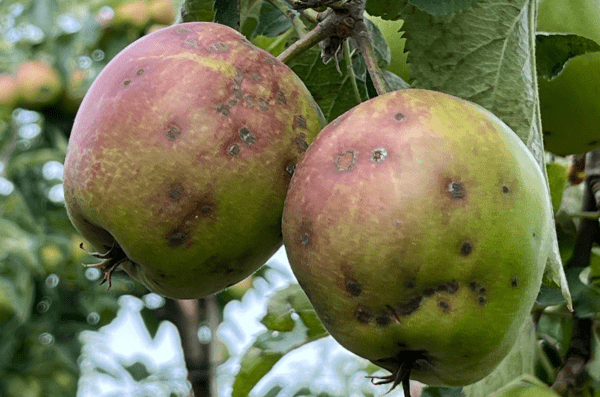
Figure 1: Apple scab in the Netherlands. Source: Tonya Weichel, Agriculture Victoria
The bottom line
Autumn is your opportunity to set up your orchard for success. A clean orchard floor, smart planning and integrated pest and disease management will keep scab in check and your fruit more likely to achieve premium packout.
Why it matters
Impact: Scab lesions cause fruit to become corky and distorted, reducing packout and market value.
Seasonal risk: The disease starts in spring from spores released from the previous season’s leaf litter. The number of spores can increase rapidly during warm, wet weather.
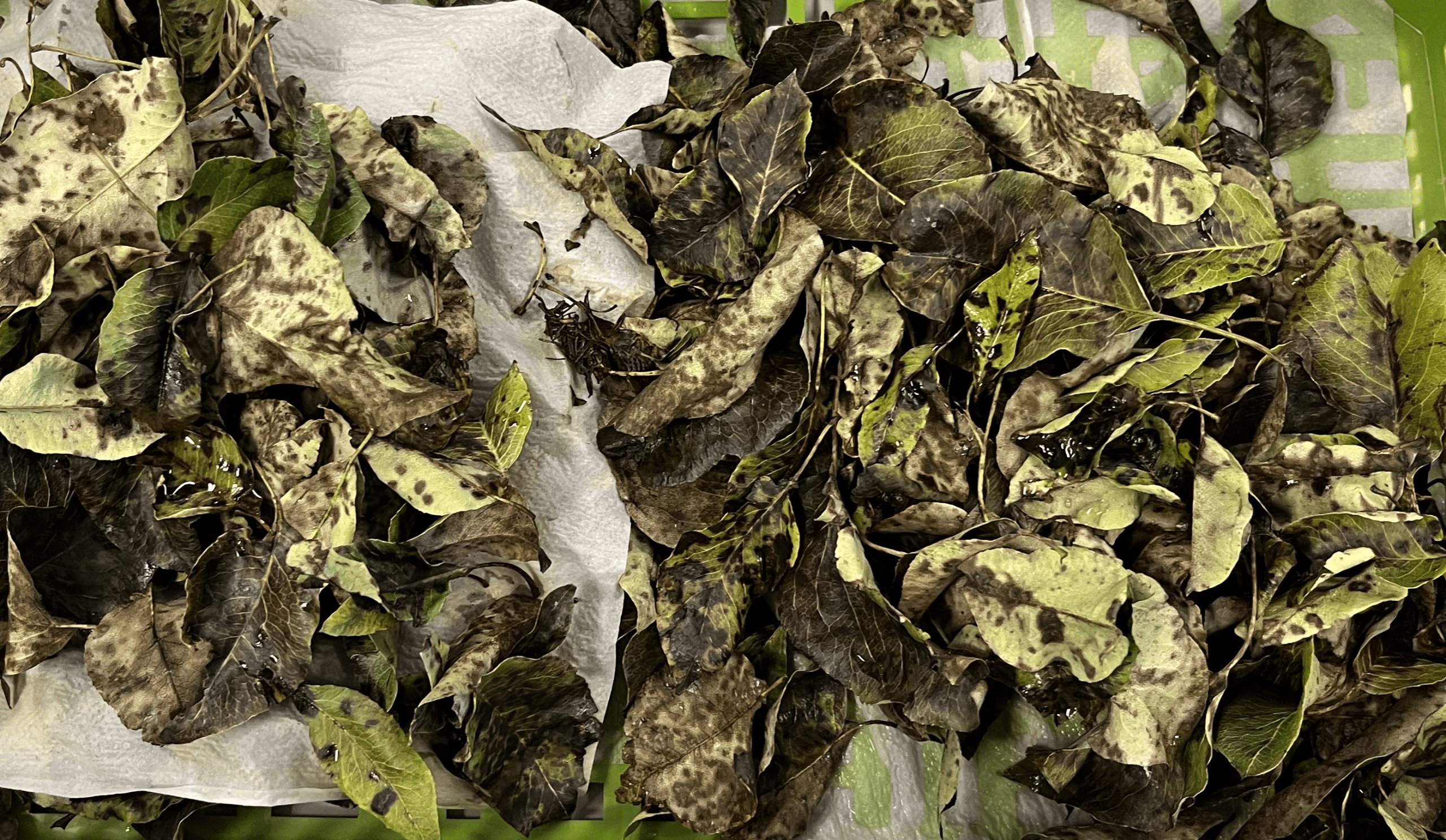
Figure 2: Venturia pirina-infected pear leaf litter. Source: Tonya Weichel, Agriculture Victoria
Top 3 autumn actions
1. Monitor risk
- Check leaves and fruit at harvest and before leaf fall to gauge scab carryover.
2. Clean up the orchard floor
- Remove fallen leaves and fruit – they’re the main source of infection in spring.
- Apply urea sprays after harvest to speed up leaf breakdown and reduce inoculum.
- Use simple tools like the Mills chart or forecasting models to predict infection periods.
3. Plan for next season
- Focus on preventing primary infections in spring – this reduces the need for summer sprays.
- Rotate fungicide groups to manage resistance, and consider their impact on beneficial insects.
Grower quick tips
- After a bad scab year: reduce leaf litter by mulching to speed decomposition.
- Forecasting pays off: scab warning services can save unnecessary sprays.
Further information
IPDM Manual for Australian Apples and Pears (2021), https://extensionaus.com.au/ozapplepearipdm/ipdm-manual-for-apples-and-pears/
RM Beresford (1999) “Validation of an ascospore release prediction model for apple black spot (Venturia inaequalis)”, New Zealand Plant Protection Society, 52:148–152, https://doi.org/10.30843/nzpp.1999.52.11597
H Eikemo, DM Gadoury, RA Spotts, O Villalta, P Creemers, RC Seem and A Stensvand (2011), “Evaluation of six models to estimate ascospore maturation in Venturia pyrina”, Plant Disease, 95(3):279–284. https://doi.org/10.1094/PDIS-02-10-0125
WE MacHardy and DM Gadoury (1989) “A revision of Mills’s criteria for predicting apple scab infection periods”, Phytopathology, 79(3):304–310, www.researchgate.net/publication/259078419
JE Reardon, LP Berkett, ME Garcia, A Gotlieb, T Ashikaga and G Badger (2005) “Field evaluation of a new sequential sampling technique for determining apple scab ‘risk’”, Plant Disease, 89(3):228–236. https://doi.org/10.1094/PD-89-0228
Acknowledgement
 The PIPS 4 Profit Pest and disease management (AP22001) project is funded by Hort Innovation, using the apple and pear research and development levy, contributions from the Australian Government and co-investment from Agriculture Victoria. It is supported regionally by the Tasmanian Institute of Agriculture, Pomewest and NSW Department of Primary Industries and Regional Development. Hort Innovation is the grower-owned, not-for-profit research and development corporation for Australian horticulture.

This article was first published in the Autumn 2026 edition of AFG.