Composts and mulches for young orchards – do they stack up?
Researchers at the Tasmanian Institute of Agriculture are investigating which mulch treatments along the tree line can improve soil health and apple fruit quality.
Key points
- Application of organic surface mulches to the tree line of a young organic orchard provided significant productivity and financial benefits.
- Compost, mulch, and mow and throw treatments all increased fruit yield/ha by almost four times that of a competitive grass/legume tree line at Year 3.
- The mow and throw tree line treatment provided the best short-term (3 years) financial return compared to compost and straw mulch due to the lower cost of this treatment.
- The longer-term impacts of tree line management on fruit yield and quality, tree water use and soil health will be measured over the next 3 years.
Dr Ramandeep Singh Sidhu from the Tasmanian Institute of Agriculture (TIA) recently recorded a massive response to tree line mulch treatments in a young Southern Bliss® apple orchard in Tasmania’s Huon Valley. Here, we look at how the trees responded and how the treatment costs stack up financially.
The Southern Bliss trial
The trial, which is part of the PIPS 4 Profit Building sustainable soils (AP22003) project, is located at R&R Smith’s Rookwood orchard. It was initially set up under PIPS3 in 2021 in a newly planted organic Southern Bliss (sold internationally as Morgana®) apple orchard. Compost, mulch, and mow and throw treatments were applied along the tree line with the alternate rows managed by the grower (Table 1 and Figure 1). The trees were planted at 3.5m X 1.0m spacing and were in their third leaf in 2023–24.
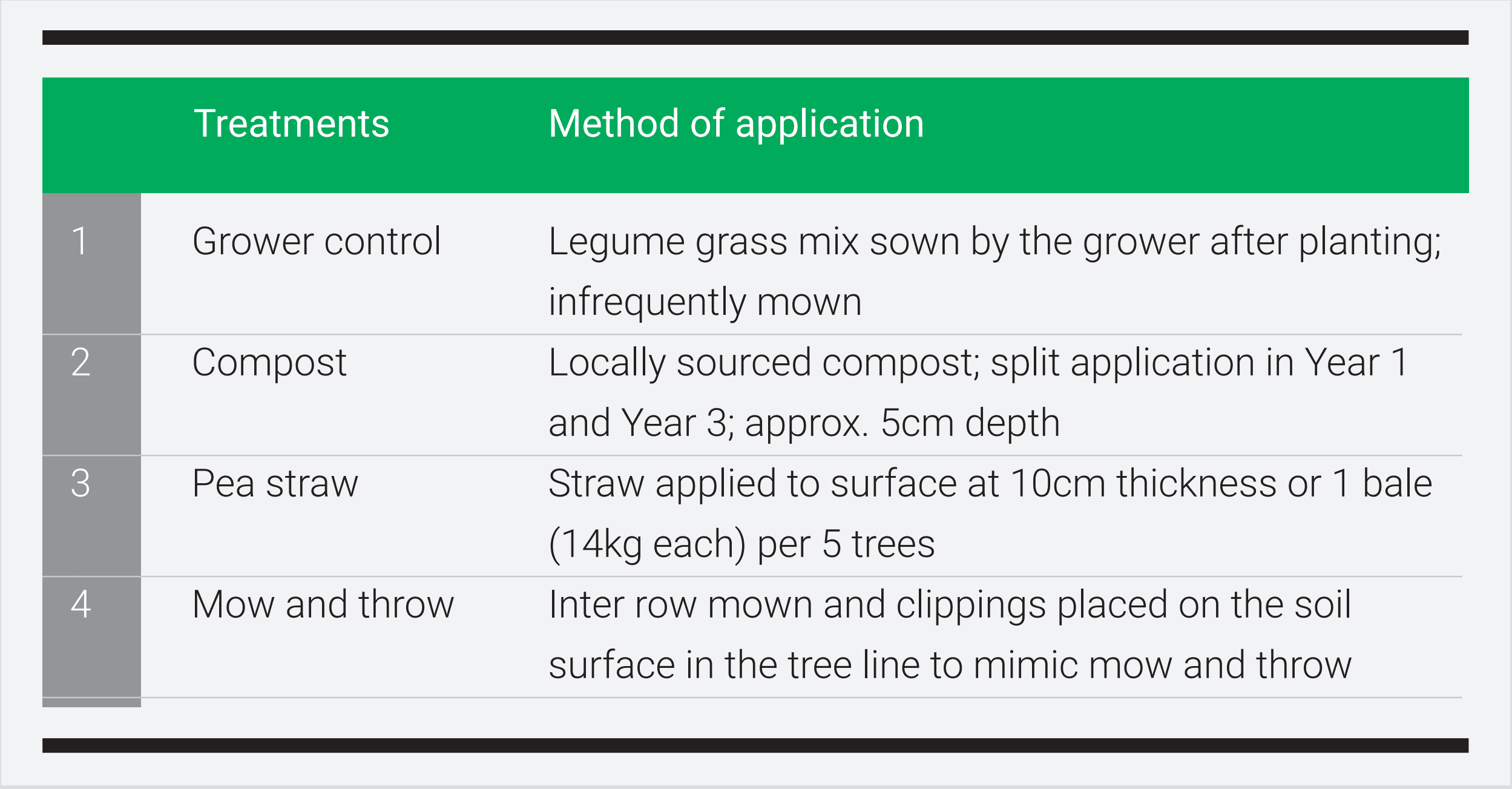
Table 1: Tree line treatments applied to a newly planted organic Southern Bliss® orchard in Ranelagh, Tasmania.
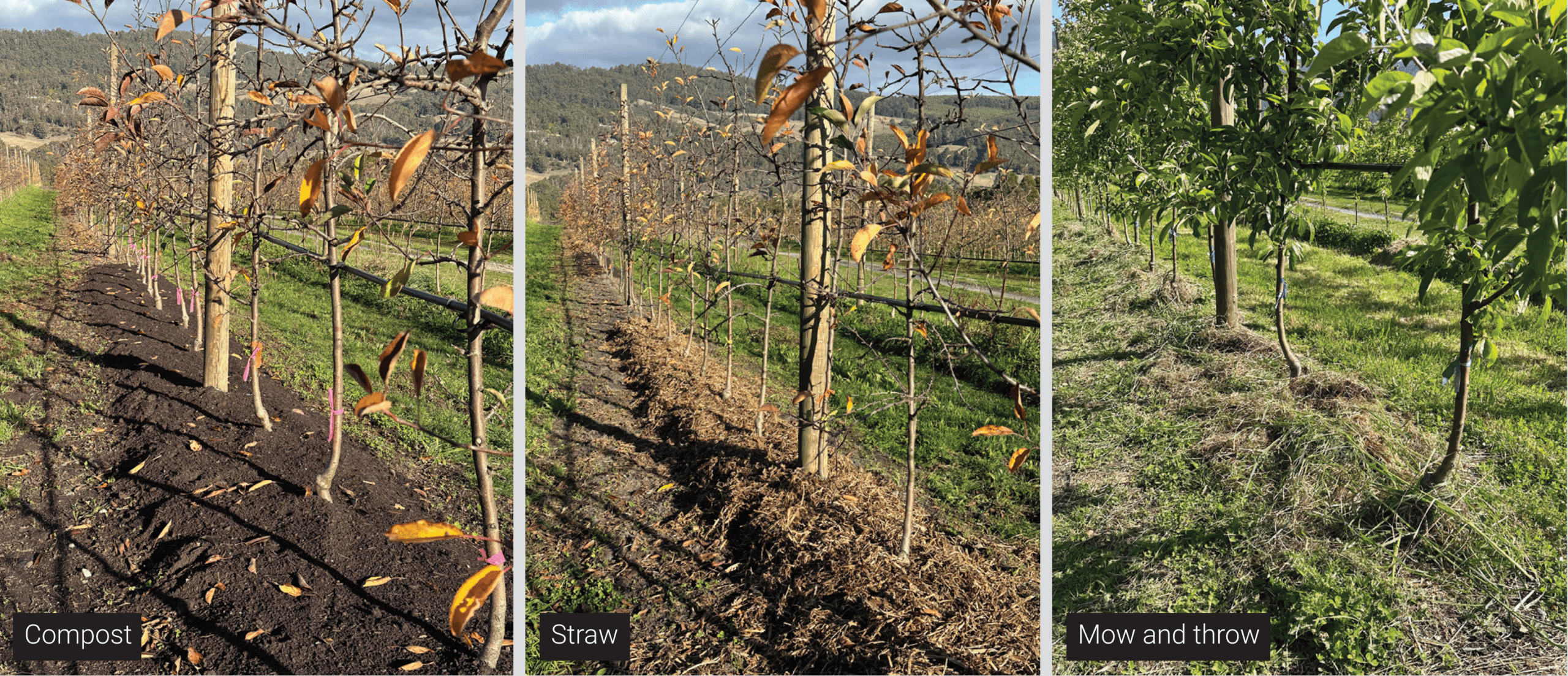
Figure 1: Compost, straw, and mow and throw treatments applied to a newly planted organic Southern Bliss® orchard in Ranelagh, Tasmania.
Orchard nutrition
This organic orchard received a program of both ground and foliar nutrients and growth promoters each season, applied across the entire treatment area. The bulk of the nitrogen and phosphorus was supplied as ground-applied Rapid Raiser® (4% N, 2.5% P, 1.5% K) with the bulk of potassium and sulfur supplied as potassium sulfate (50% K) (Table 2). Foliar applications through the growing season included growth stimulants, nitrogen, calcium and micronutrients from products including Seavolution G®, OmniGRO, Organic-N, Kelpak®, boron and soluble magnesium.
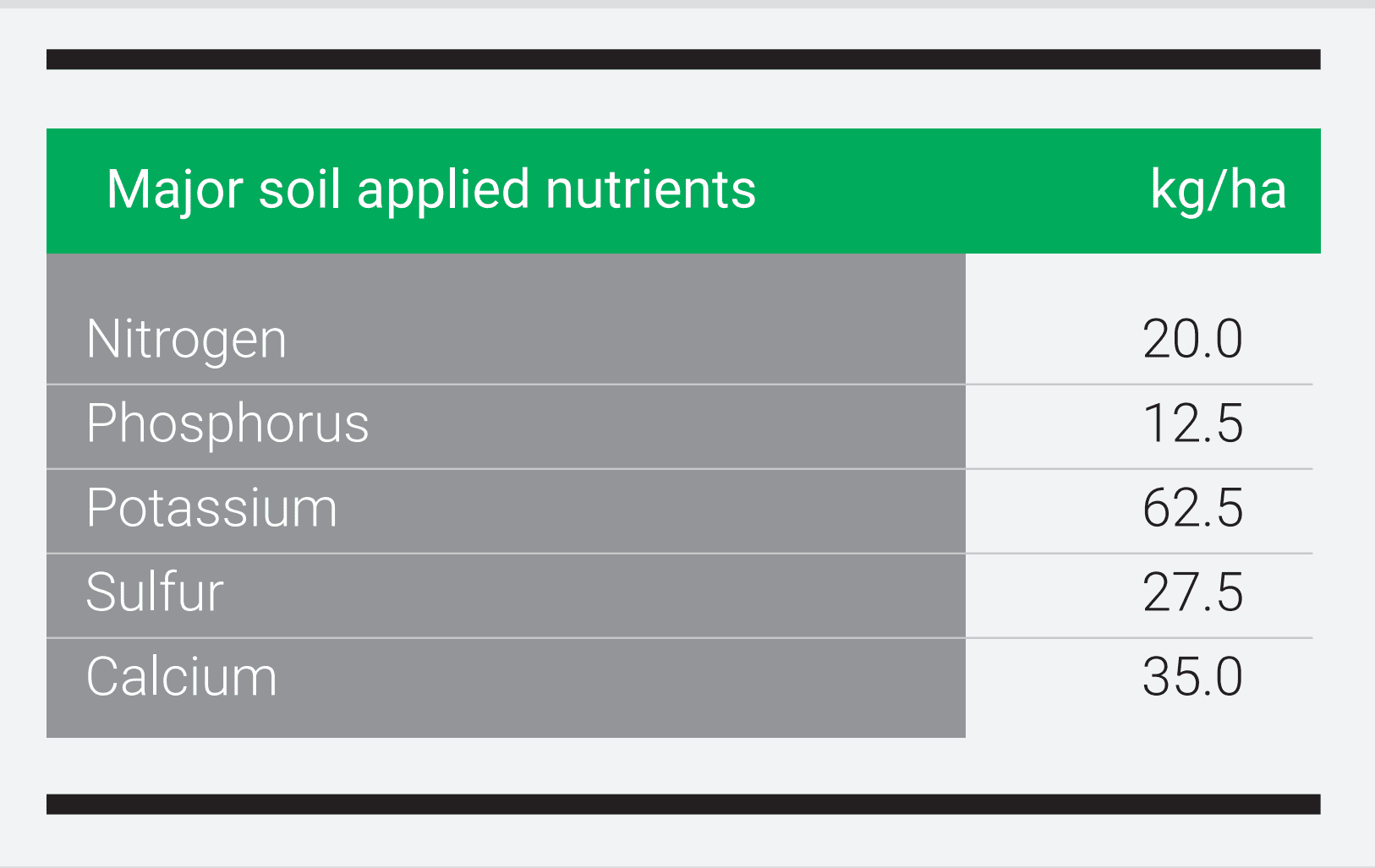
Table 2: Major nutrients applied as ground applications to the Southern Bliss® orchard each season.
Treatment costs
The treatment costs detailed in Table 3 show the wide range of costs for surface mulch treatments. The compost was applied as a split application, with the first application in Year 1 (2021) and the second in Year 3 (2023). The straw was applied in Year 1. Mow and throw was carried out monthly during the growing season.
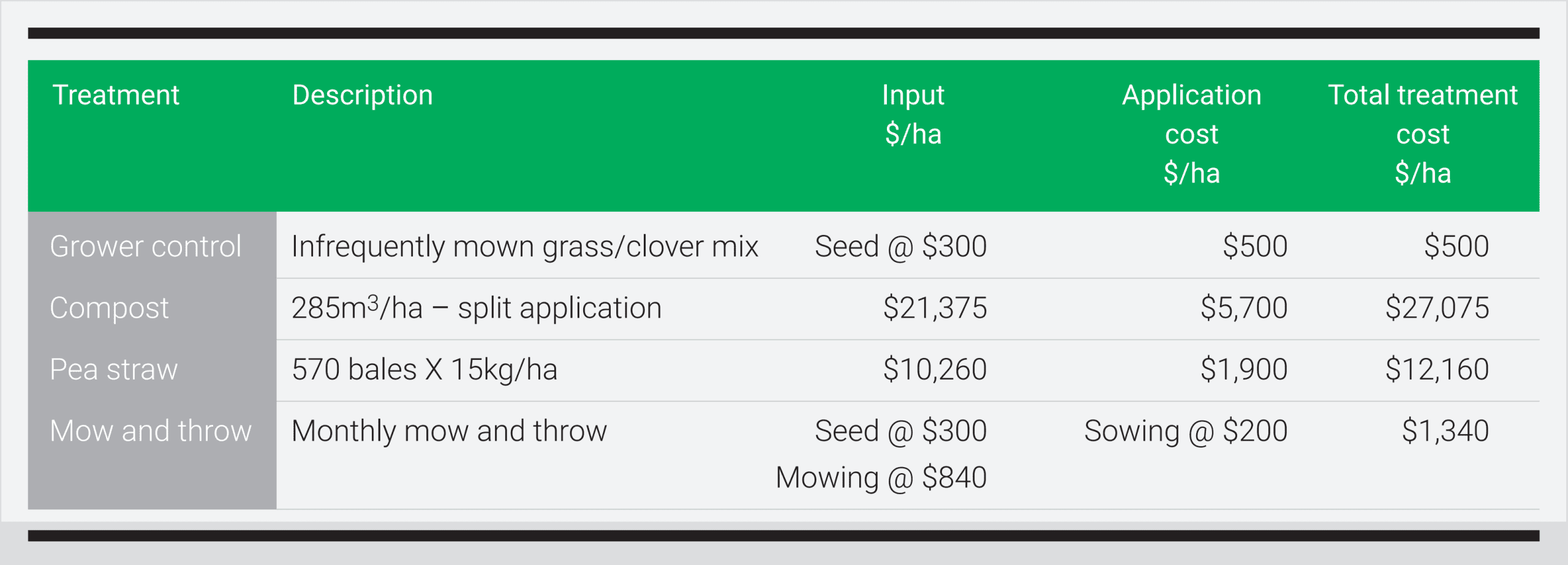
Table 3: Costs of Southern Bliss® tree line treatments.
How did the trees respond?
During a field day held in autumn 2024, growers commented on the visible differences between the treatment and control rows (Figure 2).
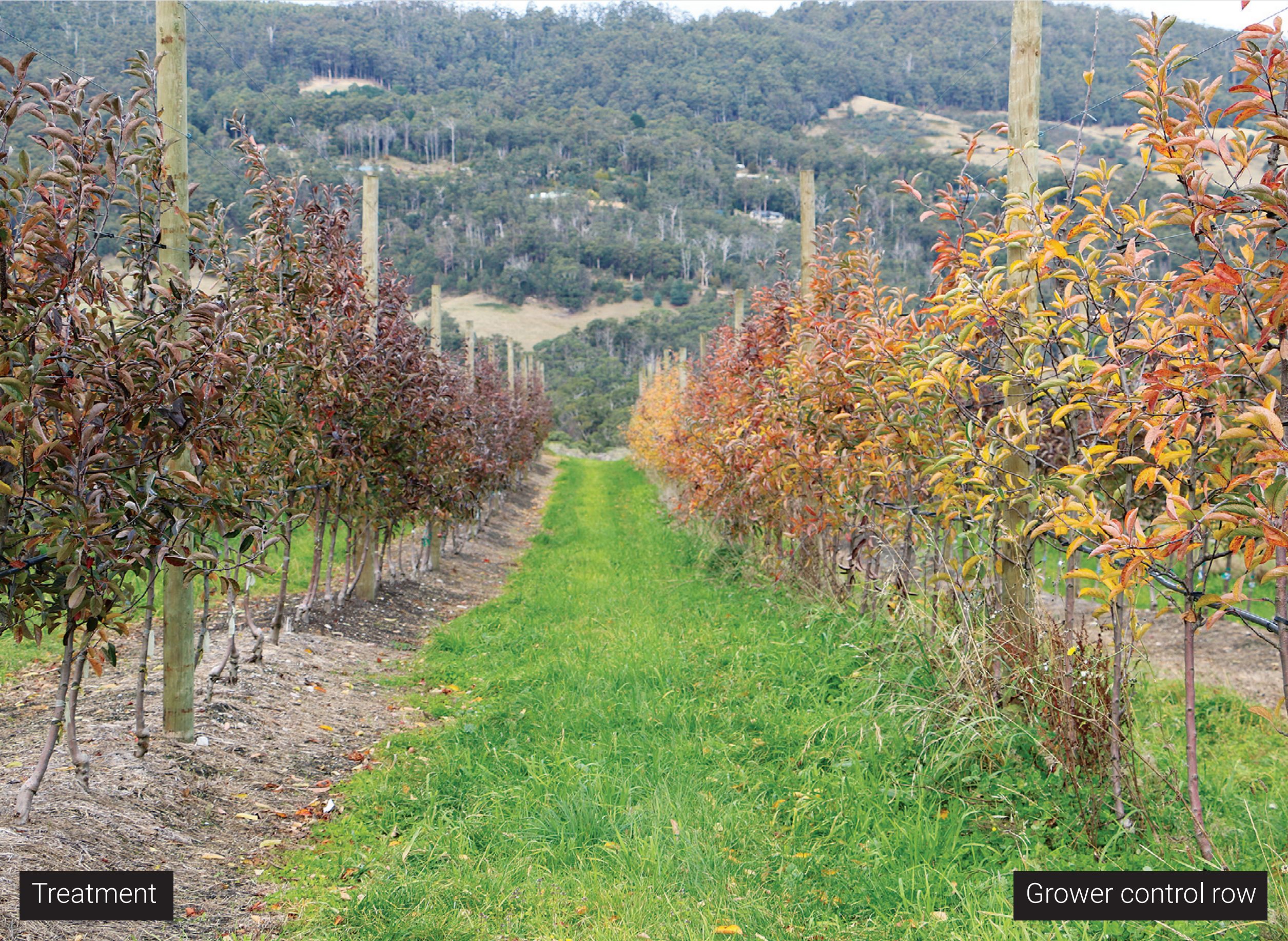
Figure 2: Southern Bliss® orchard in autumn 2024. Treatment row at left with compost, pea straw, and mow and throw treatment plots; grower-managed control (grass/legume) row at right.
The treated trees retained their green leaves for longer and generally looked healthier and more substantial than the control trees. This was backed up by the impressive yield and extension growth figures recorded for the treated trees.
The trees responded positively to all three tree line treatments (Table 4 and Figure 3):
- Fruit yield: up to 3.9 times greater fruit yield compared to the control.
- Fruit number: up to 4.2 times more fruit than the control.
- Extension growth the following spring: up to double the total extension growth of the control.
- Number of new shoots the following spring: around 1.5 times as many shoots as the control.
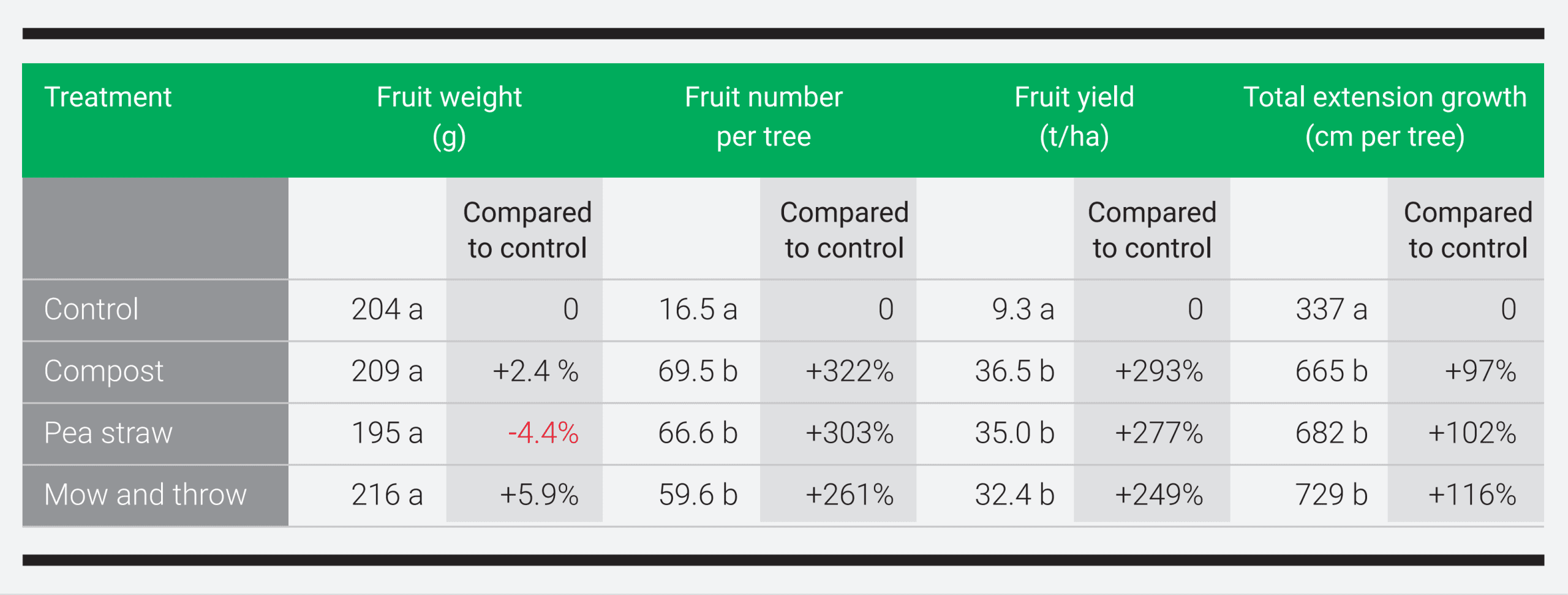
Table 4: Southern Bliss® fruit production and tree growth under different tree line treatments. Values with the same letter are not significantly different.
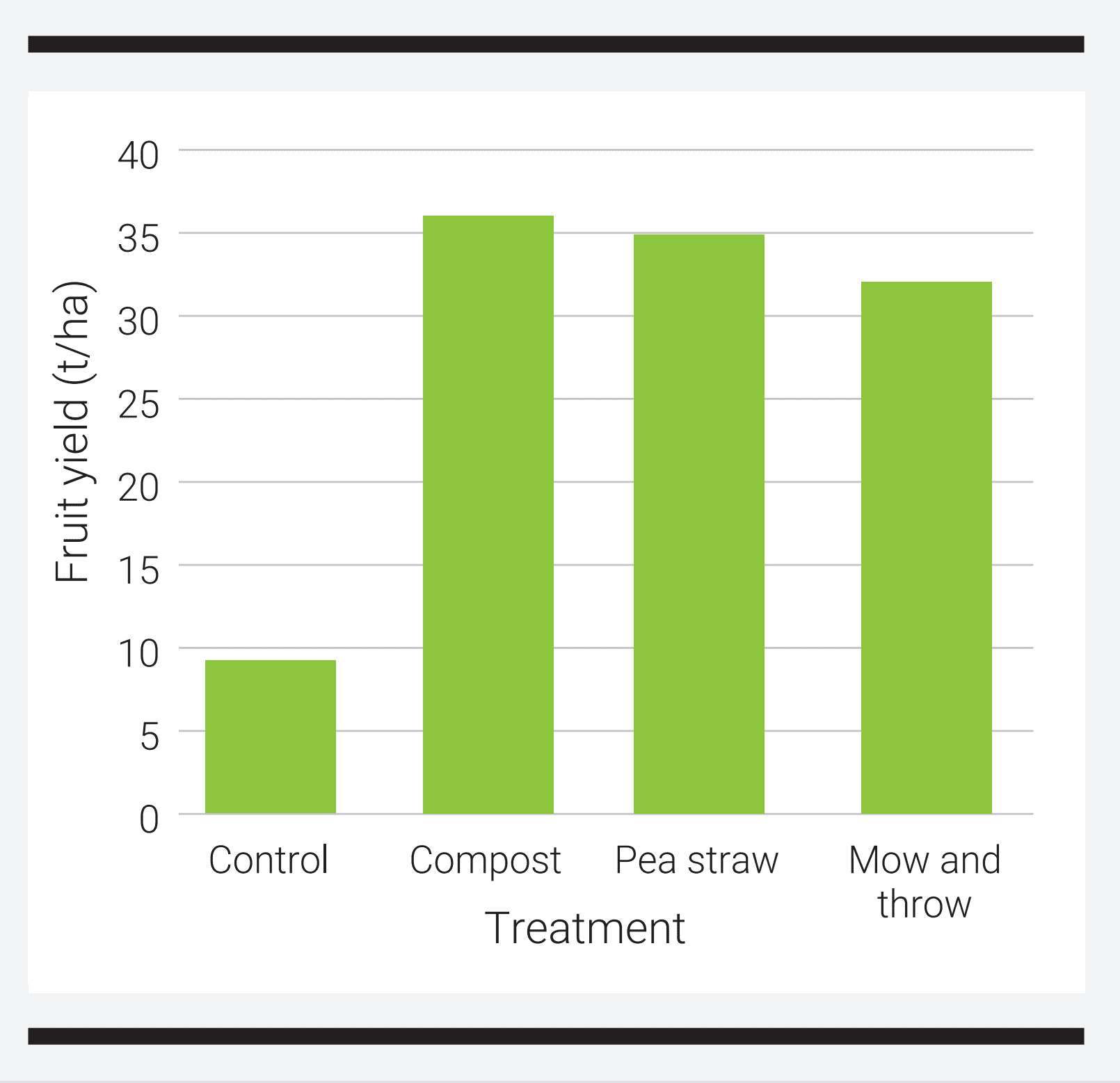
Figure 3: Effect of tree line treatments on fruit yield of Southern Bliss®.
Ramandeep said these results highlight how competition for resources during a young tree’s critical establishment phase can severely impact tree performance.
“The compost, pea straw, and mow and throw treatments all suppressed weed growth in the tree line. In contrast, the grower control tree line contained a vigorous mix of grass, clover and weeds which was only mown occasionally.”
“These early results clearly show how important it is to look after a young tree in its first few years of growth and production. The superior extension growth supports a larger number of buds, which produced more fruit per tree and a massive increase in fruit yield,” he said.
This orchard will continue to be monitored to see if the grower grass/legume control catches up to the treatment trees over the next few years, or if the productivity of the treated plots continues to surge ahead.
Do the results stack up financially?
All three tree line surface mulch treatments provided a substantial net financial benefit at Year 3 compared to the grower control. Achieving better cash flow early in an orchard’s life can be highly desirable. Mow and throw produced the best financial outcome due to the lower treatment cost. We anticipate that the surface mulches such as compost and pea straw will be applied less frequently as the system matures.
It needs to be taken into account that this is an organic orchard. The economic equation is likely to be different for a system using synthetic fertilisers and herbicides.
The results suggest that whatever the management system, the option of using tree line organic surface mulches can have both financial and productivity benefits for apple production, particularly in the early establishment phase. The financial balance equation could look even more attractive in the longer term with potential to reduce inputs of synthetic fertilisers and irrigation with the use of surface mulches.
The longer-term impacts on soil health, orchard resilience and sustainability are yet to be realised. These could further sway the economics towards the application of surface mulches to young orchards to reduce reliance on synthetic fertilisers and herbicides.
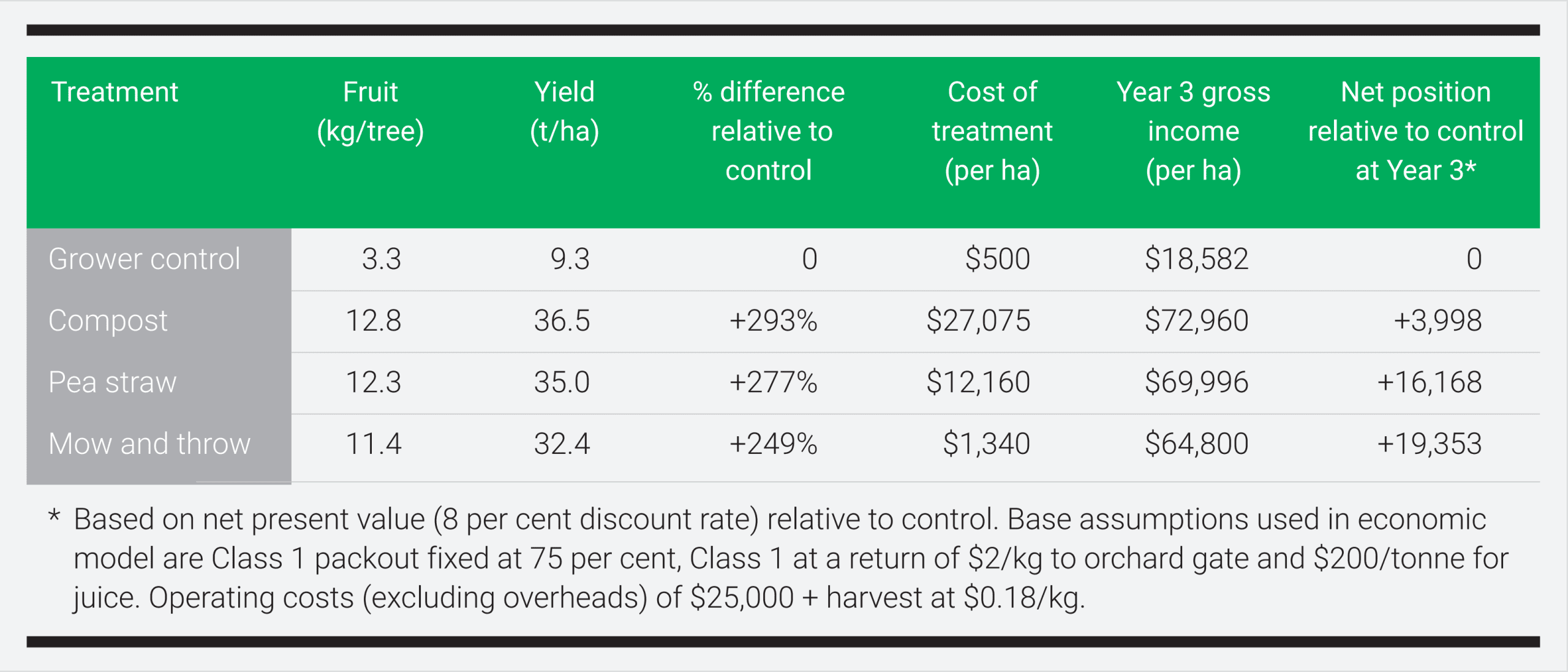
Table 5: Comparison of net financial effect of treatments compared to grower control at Year 3 for Southern Bliss®.
Longer-term implications – what’s next?
These treatments will be monitored through the PIPS 4 Profit program in the coming years, as compost and pea straw are likely to contribute greater nutritional and soil conditioning benefits over time. Longer-term monitoring will answer the following questions:
- Which treatments perform best over the longer term?
- Do treatments improve key soil health indicators?
- Will the improved yield responses continue to accrue in the treatment plots to the same degree?
- How is fruit quality affected?
- Can inputs of nitrogen and water be reduced in treatment plots?
- Do the treatment trees cope better with climate extremes?
The rate of breakdown of the compost and pea straw mulches will be measured to see how frequently these need to be reapplied. It is anticipated that less frequent application will be required as the orchard matures. These mulches provide surface cover to improve soil moisture retention. They break down to slowly release plant nutrients such as essential macronutrients – nitrogen, phosphorus and potassium. These mulches can potentially benefit conventional apple production systems by improving irrigation use efficiency and reducing fertiliser inputs.
Ramandeep will be looking in more detail at how these treatments influence tree water use efficiency and nitrogen cycling – two of the most influential inputs affecting tree performance.
He has installed sap flow meters for direct measure of tree water use and will take samples of different tree organs for carbon isotope analysis (Figure 4). This is a relatively new method for measuring differences in tree water use efficiency.
Soil physical, biological and chemical properties will also be measured to look at how these are affected by the different treatments.
The longer-term impacts of improved soil health on both the economic and ecological sustainability of the orchard system is central to the PIPS 4 Profit Building sustainable soils project. Ramandeep is excited to see if these outstanding positive results carry through to better economic and soil health outcomes over the next four seasons.
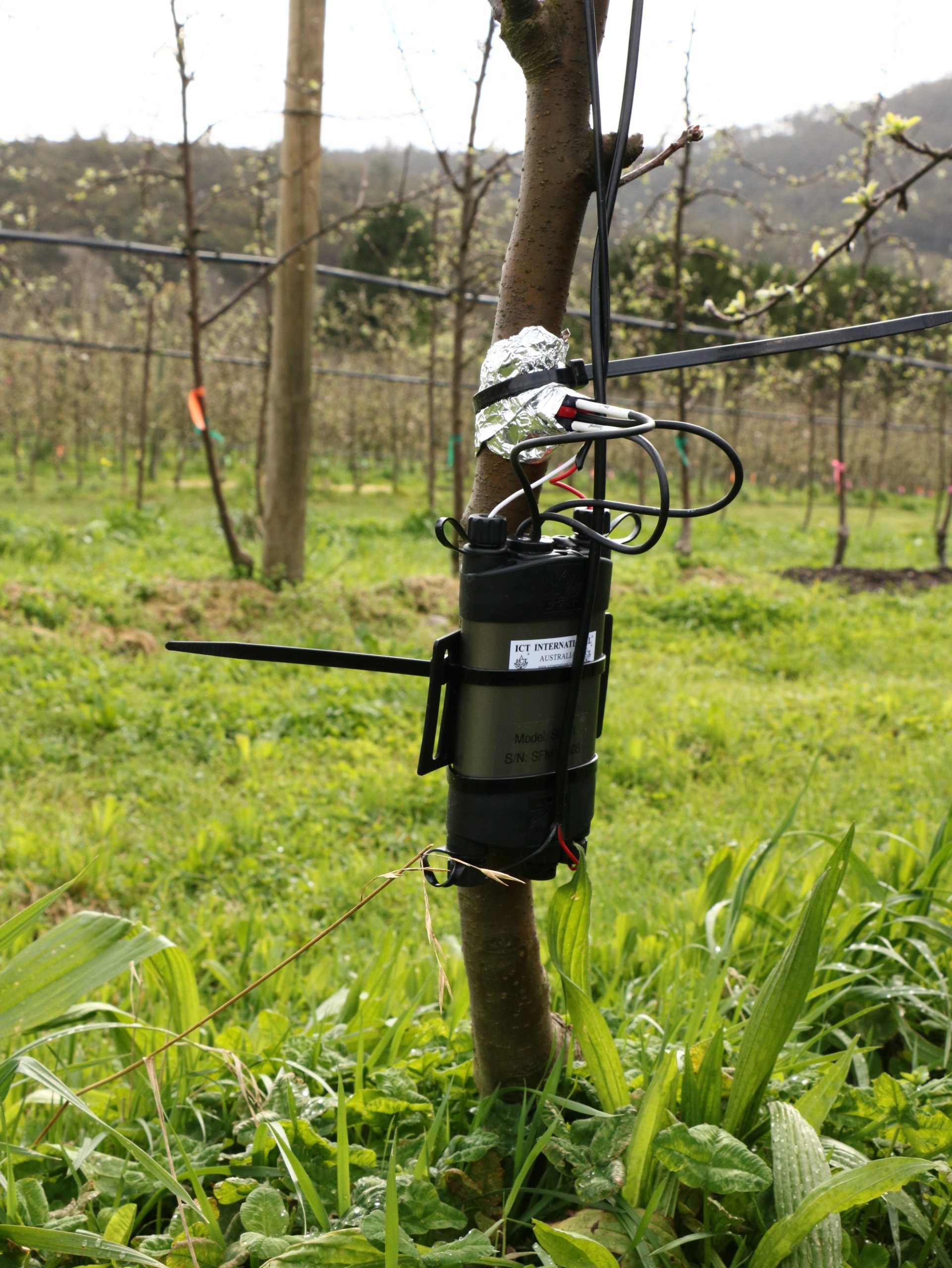
Figure 4: A sap flow meter installed in the Southern Bliss® trial orchard to measure tree water use.
Acknowledgement
 The PIPS 4 Profit’s Building sustainable soils (AP22003) project has been funded by Hort Innovation using the apple and pear research and development levy, contributions from the Australian Government and co-investment from the Tasmanian Institute of Agriculture. It is supported by Pomewest, Lenswood Apples, NSW Department of Primary Industries and Regional Development, and APAL. Hort Innovation is the grower-owned, not-for-profit research and development corporation for Australian horticulture.
This article was first published in the Autumn 2025 edition of AFG.